Fuel Prices uncertainty threatens industry as NKATI urges review of daily pricing policy
NKATI President Faisal Moiz Khan says daily fuel price revisions are disrupting industrial planning, exports and supply chains, calling for a stable pricing mechanism.
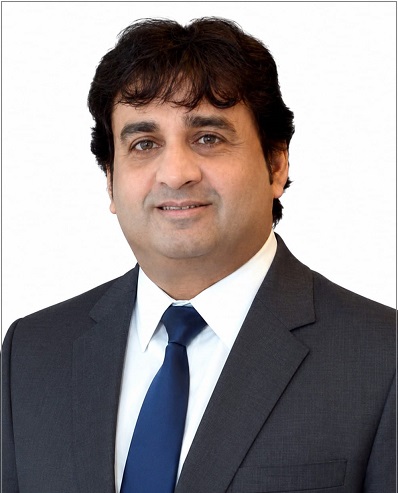
NKATI President Faisal Moiz Khan calls for a stable fuel pricing mechanism.
KARACHI: The North Karachi Association of Trade & Industry (NKATI) has warned that Pakistan’s new policy of revising fuel prices on a daily basis could undermine industrial growth, disrupt exports and weaken business confidence unless it is reviewed.
Fruit Market issues discussed as KP Governor Faisal Karim Kundi meets traders in Karachi
NKATI President Faisal Moiz Khan said the country was already facing high inflation, rising production costs, energy shortages and an uncertain business climate. He argued that daily changes in petrol and diesel prices had created additional challenges for manufacturers and exporters.
Industry faces growing uncertainty
Faisal Moiz Khan said businesses require a predictable operating environment to make investment and production decisions.
He warned that frequent changes in fuel costs make it difficult for industrialists to estimate production expenses, prepare business plans and maintain stable operations.
“If the government creates uncertainty instead of providing a business-friendly environment, its vision of economic stability and sustainable growth will remain difficult to achieve,” he said.
Export sector under pressure
The NKATI chief said exporters are among the sectors most affected by the policy.
He explained that exporters usually calculate production costs and finalise contracts well before shipments begin. Daily fuel price revisions, however, continue to change manufacturing expenses, making it harder to honour pricing agreements and export commitments.
He added that the policy could reduce the competitiveness of Pakistani exporters in international markets.
Rising transport costs affect supply chains
Faisal Moiz Khan said fluctuating fuel prices also trigger frequent changes in transportation costs.
He noted that higher logistics expenses increase the cost of raw materials and create uncertainty throughout the supply chain. As a result, manufacturers struggle to prepare production schedules and long-term financial plans.
Field Marshal Asim Munir says Balochistan peace depends on defeating terrorism
NKATI calls for a stable pricing mechanism
The NKATI president said many regional economies maintain relatively stable fuel pricing systems to provide certainty for businesses and investors.
He suggested that if price adjustments remain necessary, the government should keep petroleum prices fixed for a defined period instead of revising them every day.
According to him, a predictable pricing mechanism would help industrialists, exporters and traders plan costs more effectively, negotiate contracts with confidence and fulfil export commitments without disruption.
Faisal Moiz Khan urged Prime Minister Shehbaz Sharif, the finance minister and the petroleum minister to review the policy and introduce a transparent, stable and business-friendly fuel pricing system to protect Pakistan’s industry, trade and exports.