GSP+ Status: Pakistan Must Accelerate Reforms to Protect EU Export Access, Says Mian Zahid Hussain
Business leader urges swift reforms and stronger diplomacy to safeguard billions of euros in exports under the European Union’s GSP+ scheme.
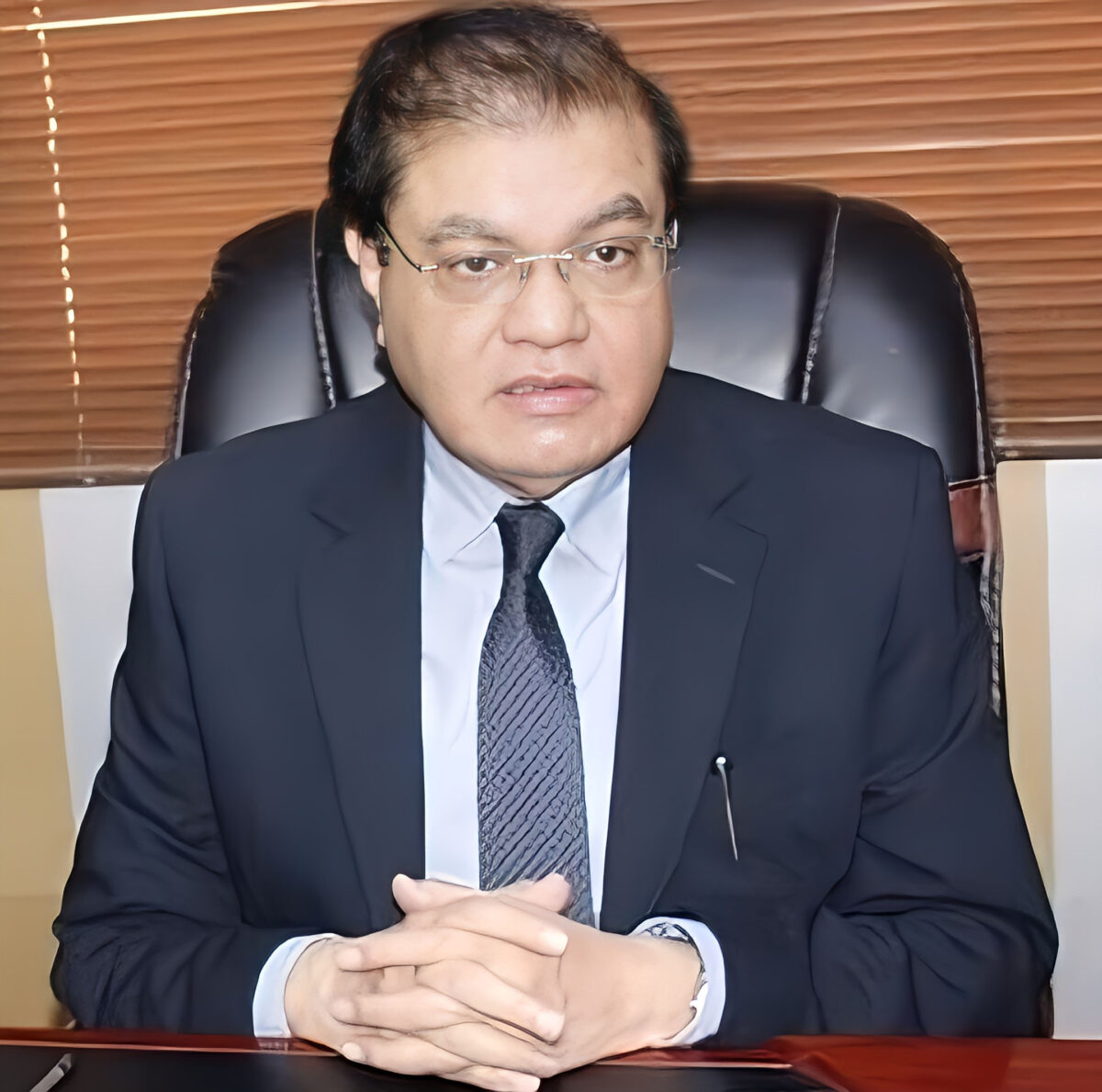
Featured Image Caption (English): Mian Zahid Hussain calls for reforms to safeguard Pakistan's GSP+ trade benefits with the European Union.
GSP+ Status remains critical for Pakistan’s economy, and the country cannot afford complacency in meeting the European Union’s requirements, according to business leader Mian Zahid Hussain.
Healthcare Expo 2026: Dr Essa Laboratory Showcases Diagnostic Services on Opening Day
He said Pakistan should respond to the European Union’s latest assessment through constructive engagement, effective diplomacy and faster domestic reforms rather than confrontation.
EU Remains a Key Export Market
Mian Zahid Hussain said Pakistan exported goods worth approximately €8.7 billion to the European Union in 2025. Total bilateral trade reached around €12.2 billion, with the EU accounting for 14.1% of Pakistan’s overall trade.
He noted that Pakistan is currently the largest beneficiary of the EU’s Generalised Scheme of Preferences Plus (GSP+). More than 85% of Pakistan’s exports to the EU enter the market duty-free and quota-free under the scheme.
He added that around 89% of Pakistan’s textile and clothing exports to the EU benefit from preferential tariff treatment.
Textile Sector Faces Significant Risks
Mian Zahid Hussain warned that any reduction in GSP+ benefits could increase tariffs on Pakistani exports and weaken their competitiveness in European markets.
He said the textile and apparel industry employs millions of people and remains Pakistan’s largest export sector. Higher duties could reduce exports, discourage investment and affect employment and foreign exchange earnings.
Transition Period Offers Opportunity
He noted that the current GSP+ arrangement will remain in place while the European Union introduces its revised framework from 1 January 2027.
The updated programme will expand the number of international conventions linked to GSP+ from 27 to 32. These conventions cover human rights, labour standards, environmental protection, climate action and good governance.
Existing beneficiaries will continue receiving GSP+ preferences during a transition period until 31 December 2028. Countries seeking to remain in the programme must submit a new application and demonstrate effective implementation of the required commitments.
Calls for National Coordination
Mian Zahid Hussain urged the federal government to establish a high-level coordination mechanism involving the Ministries of Commerce, Foreign Affairs, Human Rights, Overseas Pakistanis and Human Resource Development, Climate Change, provincial governments, the Federation of Pakistan Chambers of Commerce and Industry (FPCCI) and representatives of the business community.
He said legislation alone would not satisfy European authorities. Pakistan must also demonstrate effective implementation, proper documentation and measurable progress.
Protecting an Important Economic Asset
Mian Zahid Hussain said Pakistan has introduced important legislative and institutional reforms since obtaining GSP+ status in 2014. He urged the government to communicate these achievements more effectively to European policymakers.
He added that compliance with additional international conventions would strengthen Pakistan’s economy as well as its social and environmental standards.
According to Mian Zahid Hussain, GSP+ is more than a trade facility. He said protecting preferential access to European markets also protects exports, industries, jobs and valuable foreign exchange earnings.