FPCCI Pushes for Investment in Value-Added Sectors to Strengthen Pakistan’s Exports to China
Web Desk April 20, 2026A high-level meeting between the Federation of Pakistan Chambers of Commerce & Industry (FPCCI) and Pakistan’s Consulate General in Shanghai has called for a major shift in Pakistan’s export strategy toward China, emphasizing that future growth depends on investment in value-added industries rather than raw commodity exports.

A high-level meeting between the Federation of Pakistan Chambers of Commerce & Industry (FPCCI) and Pakistan’s Consulate General in Shanghai has called for a major shift in Pakistan’s export strategy toward China, emphasizing that future growth depends on investment in value-added industries rather than raw commodity exports.
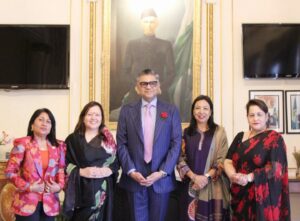
The discussion took place between FPCCI Senior Vice President Saquib Fayyaz Magoon and His Excellency Shahzad Ahmed, Consul General of Pakistan in Shanghai, focusing on ways to improve Pakistan’s trade balance with China and expand export competitiveness in high-demand sectors.
Both sides agreed that Pakistan’s agriculture and food industries hold significant untapped potential, but require urgent investment in processing, packaging, cold chain logistics, and quality certification systems. Magoon stressed that without modern infrastructure and branding improvements, Pakistani products cannot effectively compete in the Chinese market.
He further highlighted the importance of aligning agricultural production with Chinese market requirements through detailed research, improved farming techniques, and post-harvest facilities. According to him, the transition from raw exports to value-added goods is essential for long-term trade sustainability.
The meeting also underlined the critical role of packaging, branding, and quality standards in improving market access. Officials noted that even high-quality products often fail to gain traction in China due to weak presentation and lack of international-standard marketing.
Opportunities in the information technology sector were also discussed, with both sides emphasizing the need for investment in digital infrastructure, training programs, and technology parks to boost IT exports and joint ventures with Chinese firms.
Another key topic was the delayed Naphtha Cracker Plant project, which remains stalled due to financing challenges. Both parties agreed on the need to resolve these investment bottlenecks, calling the project strategically important for Pakistan’s petrochemical and industrial development.
The Consul General assured full support from the Shanghai office in facilitating trade and attracting Chinese investment into Pakistan’s value-added sectors. He reaffirmed that China remains a key strategic and economic partner for Pakistan, with strong potential for deeper business-to-business cooperation.
FPCCI leadership reiterated its commitment to strengthening Pakistan-China economic relations and promoting investment-driven growth. Officials concluded that shifting toward value-added production is no longer optional but essential for transforming Pakistan’s export structure and ensuring sustainable trade expansion.