Trump Says US-Iran Deal ‘Largely Negotiated’ as Hormuz Reopening Emerges Key Focus
Trump Says US-Iran Deal ‘Largely Negotiated’ as Hormuz Reopening Emerges Key Focus
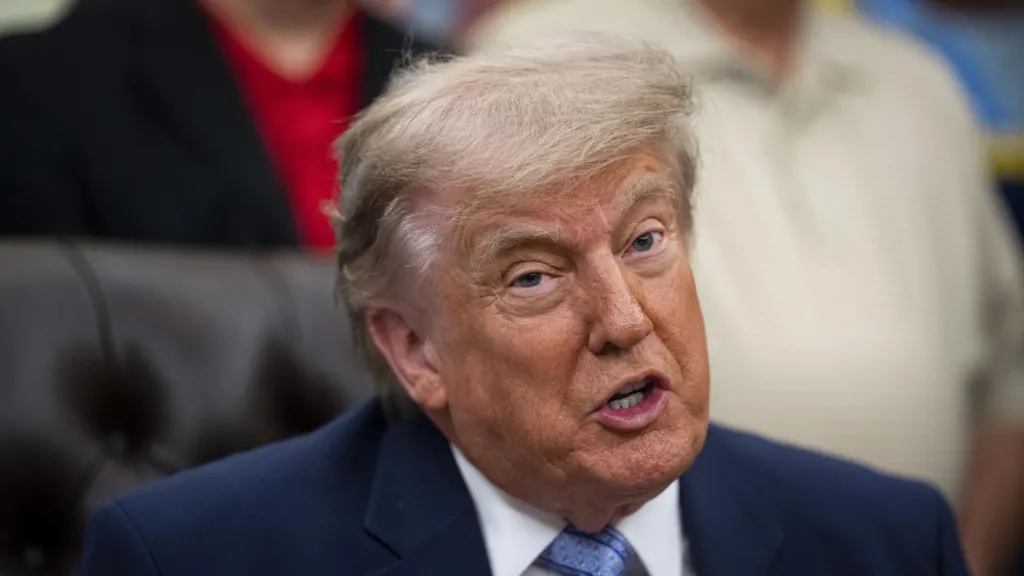
US President Donald Trump said on Saturday that the United States and Iran had “largely negotiated” an agreement. He added that officials would announce the final details soon.
Dead Feared as Blast Hits Shuttle Train Near Chaman Phatak in Quetta
Trump also said the proposed agreement would reopen the Strait of Hormuz. However, he did not share additional details.
Trump Holds Talks With Gulf Leaders and Netanyahu
Trump said he held a “very good call” with leaders from Saudi Arabia, the United Arab Emirates, Qatar and other regional countries. The discussions focused on what he described as a “Memorandum of Understanding pertaining to PEACE”.
In addition, Trump confirmed that he spoke with Israeli Prime Minister Benjamin Netanyahu. He described the conversation as positive.
The US president has repeatedly insisted that any future agreement must stop Iran from obtaining a nuclear weapon.
Iran Says Talks Are Moving Forward
Meanwhile, Iranian Foreign Ministry spokesman Esmaeil Baqaei said Iranian and American positions had moved closer during the past week.
However, he stressed that serious disagreements still remained. He also accused Washington of issuing contradictory statements during negotiations.
Baqaei said Tehran was finalising a 14-point framework memorandum. According to him, the plan could lead to more talks within 30 to 60 days before both sides reach a final agreement.
Pakistan Welcomes Diplomatic Progress
Prime Minister Shehbaz Sharif welcomed the latest diplomatic progress and praised Trump’s peace efforts.
He said Pakistan’s recent communication with the United States proved “very useful and productive”.
Furthermore, Shehbaz Sharif confirmed that Pakistan remained involved as a mediator. He also expressed hope that another round of negotiations would begin soon.
Strait of Hormuz Remains Key Dispute
The Strait of Hormuz remains one of the biggest sticking points in the negotiations.
The United States has maintained a blockade on Iranian ports since April 13. According to US Central Command, forces redirected nearly 100 vessels, disabled four ships and allowed 26 humanitarian aid vessels to pass.
At the same time, Iran claimed military authority over parts of the Strait of Hormuz. Tehran also announced that ships now require approval from the Persian Gulf Strait Authority before passing through the waterway.
However, the US and Gulf allies rejected Iran’s claims. They also instructed ships not to follow Tehran’s directives.
Regional Tensions Continue Despite Progress
The latest diplomatic momentum follows months of regional tensions after US and Israeli strikes on Iran in February.
Later, Tehran responded with attacks targeting Israel and Gulf states allied with Washington.
A ceasefire took effect in early April after mediation efforts led by Pakistan. Since then, Washington and Tehran have continued indirect talks to avoid another regional conflict.
Although both sides report progress, officials admit that several major issues still require resolution before they sign a formal agreement.