Donald Trump Signals US-Iran Deal as Hormuz Reopening Nears
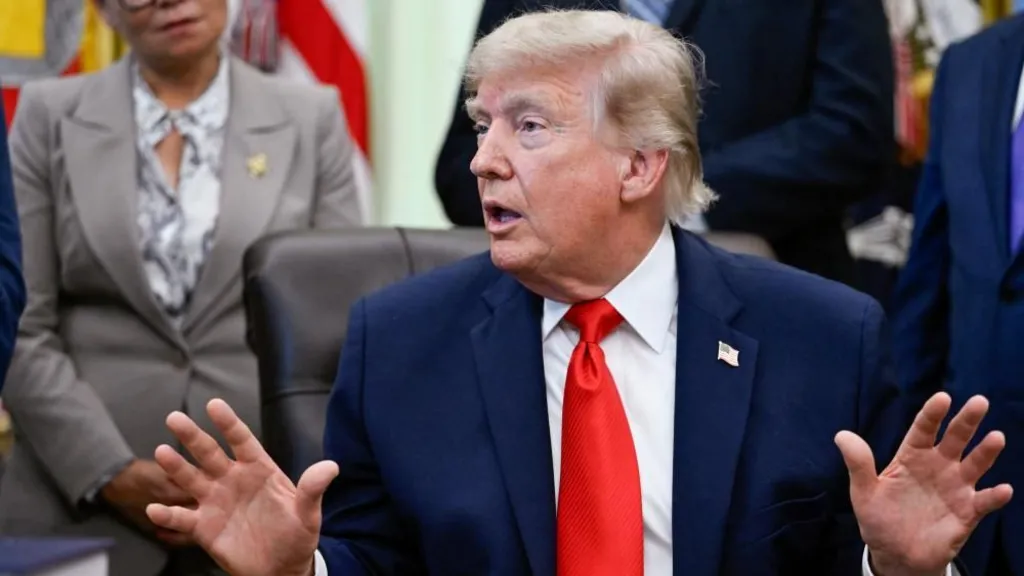
Featured Image Caption Leaders prepare for a proposed US-Iran agreement.
The proposed US-Iran Deal moved back into focus after President Donald Trump stated that an agreement aimed at ending hostilities is scheduled for signing on Sunday. His remarks introduced a new timeline while diplomatic signals from Tehran remained more cautious.
The announcement matters because the proposed arrangement could affect regional security, energy markets, and maritime trade routes. In addition, the Strait of Hormuz remains one of the world’s most important shipping corridors. While expectations increased after Trump’s comments, officials involved in negotiations continued to avoid certainty.
Donald Trump Pushes US-Iran Deal
President Donald Trump announced through social media that the agreement was expected to be signed soon. He also stated that the Strait of Hormuz would become open to all once the agreement is completed.
Governor Nihal Hashmi Announces Support for Women Entrepreneurs in Sindh
Trump further referred to Iran’s enriched uranium stockpiles and suggested future actions would happen only after tensions ease. However, he warned that alternative measures remained available if diplomatic progress stalled.
Even so, official confirmation of final implementation has not yet occurred. Similar expectations surrounding negotiations have appeared previously but later slowed during final stages.
Iran Officials Remain Careful
Iran presented a more measured position regarding the expected timeline.
Iranian foreign ministry spokesman Esmaeil Baghaei stated that observers would need to wait before confirming the exact date of signing. According to interview remarks, discussions continued despite growing expectations.
Meanwhile, Iranian Foreign Minister Seyed Abbas Araghchi reportedly said negotiations had moved closer to an agreement. He stated that economic and regional issues remained central topics.
Officials also indicated that future talks concerning Iran’s nuclear programme would continue separately after any broader agreement.
Pakistan Supports Diplomatic Process
Pakistan emerged as an active mediator during recent diplomatic efforts.
Prime Minister Shehbaz Sharif stated publicly that negotiators appeared closer to a peace arrangement than at previous stages. He added that preparations were underway for electronic signing procedures and technical discussions.
Pakistan’s involvement increased attention on regional diplomacy because multiple parties continue to seek mechanisms for reducing military escalation.
As a result, diplomatic coordination may continue even after any formal signing takes place.
Strait of Hormuz Shapes Regional Stakes
The Strait of Hormuz remains central to international attention because it carries a significant share of global oil and liquefied natural gas shipments.
Recent military exchanges and shipping disruptions elevated concerns about energy markets and supply stability. Therefore, reopening maritime access became one of the most closely watched elements of the discussions.
Although expectations have strengthened, implementation details remain uncertain. Economic incentives discussed by US officials reportedly depend on future compliance commitments.
US-Iran Deal Faces Final Test
Despite optimistic statements, negotiators still face unresolved questions.
Past rounds of discussions created expectations that later failed to reach completion. Therefore, analysts continue to monitor whether political commitments translate into formal action.
If completed, the agreement could mark a significant diplomatic development. However, the coming days are expected to determine whether current momentum becomes a finalized arrangement or another delayed effort.
For now, officials continue balancing public optimism with cautious language while international observers watch closely.