Marco Rubio Warns India Over Iranian Oil Blockade Disputes
Diplomatic tensions rise over shipping and security in the Strait of Hormuz.
The Iranian Oil Blockade moved to the center of regional tensions after a diplomatic exchange between US and Indian officials. According to official statements, US Secretary of State Marco Rubio told India that violations of restrictions around Iranian oil transport would not be tolerated.
The conversation came after India raised concerns over recent US military actions in Gulf waters. Indian officials stated that attacks near commercial shipping routes resulted in the deaths of three Indian nationals. Consequently, the incident increased diplomatic pressure between both countries and intensified attention on maritime security in the region.
Marco Rubio Addresses Shipping Rules
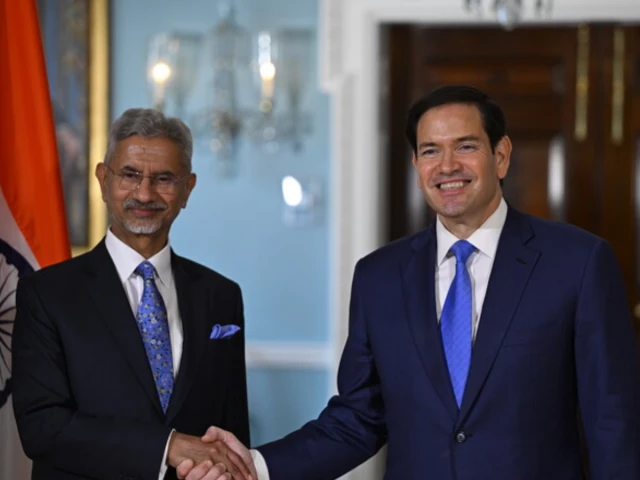
According to a US State Department statement, Marco Rubio spoke with India’s External Affairs Minister Subrahmanyam Jaishankar regarding developments in the Strait of Hormuz.
Anthropic Suspends Claude Fable 5 After US Security Concerns
During the conversation, Rubio reportedly emphasized that commercial vessels should comply with instructions issued by US forces operating in the area. The US position maintained that these actions seek to preserve security and stability across one of the world’s most important shipping corridors.
The statement also noted that illicit transportation of Iranian oil and violations of the blockade framework would not be accepted. Therefore, commercial operators and governments are expected to monitor developments closely.
Subrahmanyam Jaishankar Responds
India’s External Affairs Minister Subrahmanyam Jaishankar publicly addressed the issue after the diplomatic exchange. He stated that India strongly protested attacks linked to US operations in Gulf waters.
According to his statement, lethal action against commercial shipping cannot be justified. He further noted that three Indian mariners lost their lives during the incidents.
Moreover, Indian authorities reportedly summoned the senior US diplomat in New Delhi for the second time within a week. That move reflected India’s concern over maritime safety and protection of civilian crews operating in international waters.
Strait of Hormuz Faces New Pressure
The Strait of Hormuz remains one of the most strategic shipping routes globally because a significant portion of global energy supplies moves through the corridor.
According to US Central Command statements referenced by multiple reports, several vessels were disabled after authorities alleged attempts to transport Iranian oil. The reported vessels included M/T Jalveer, M/T Marivex, and M/T Settebello.
As tensions continue, governments and shipping companies may face additional pressure to adjust operations. Meanwhile, diplomatic engagement between Washington and New Delhi is expected to remain active in the coming days.
India and US Diplomatic Outlook
The latest developments highlight broader concerns around maritime security, energy transport, and international trade routes.
Although both governments continue diplomatic engagement, the events have drawn attention to balancing security operations with commercial navigation. Observers are also watching whether discussions lead to new shipping measures or further diplomatic exchanges across the Gulf region.