US Iran Deal Trump Pushes Breakthrough Agreement Progress
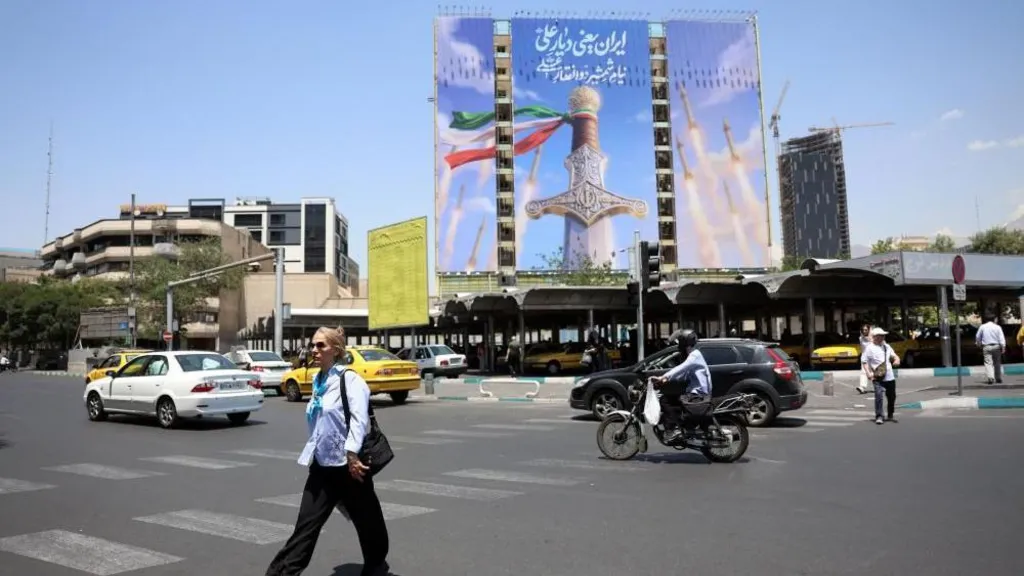
A global diplomatic moment centered on the Strait of Hormuz amid US-Iran negotiations.
The Iran deal is moving closer to a potential breakthrough, according to officials and diplomatic sources. The Iran deal involves reopening the Strait of Hormuz and easing economic restrictions.
This development matters because it could reshape global oil routes and regional security. It also signals possible de-escalation after months of tension between the US and Iran.
US Iran Deal Trump Negotiations Progress Signals Breakthrough
The Iran deal reportedly advanced after US and Iranian officials confirmed major negotiation progress. According to officials, President Donald Trump said scheduled military actions were cancelled due to a “great settlement.”
The Iran deal includes phased economic relief for Iran based on verified compliance. US officials stressed that benefits depend on performance, not trust.
They also stated that no upfront funds will be released. Instead, sanctions relief will occur in stages as commitments are met.
Tensions remain despite progress. Both sides previously exchanged strikes after a ceasefire attempt in April.
Strait of Hormuz Reopening Iran Deal Global Shipping Impact
The Iran deal reportedly includes reopening the Strait of Hormuz, a critical global energy route. This waterway carries nearly 20% of global oil and LNG shipments.
Iran had previously imposed restrictions and fees on passing vessels. Under the proposed Iran deal, passage rules may be revised again.
US officials linked reopening to lifting restrictions on Iranian shipping. This step is expected to happen early in the agreement timeline.
Energy markets are watching closely. Any disruption or reopening of the Strait directly impacts global fuel prices and supply stability.
Shehbaz Sharif Pakistan Mediation Iran Deal Diplomatic Role
The Iran deal has seen Pakistan play a mediating role in negotiations between Washington and Tehran. Prime Minister Shehbaz Sharif confirmed that a memorandum of understanding was agreed.
According to officials, Pakistan and Qatar supported backchannel diplomacy efforts. These efforts helped maintain dialogue during periods of heightened tension.
The Iran deal is still awaiting final approval from Iran’s Supreme National Security Council. Officials inside Iran have reportedly expressed mixed opinions.
If approved, signing could happen remotely in the coming days, according to Iranian Foreign Minister Abbas Araghchi.
Iran Nuclear Talks US Framework Deal Verification Process
The Iran deal also outlines future nuclear negotiations within a 60-day framework. These talks will focus on Iran’s enriched uranium program.
US officials stated that any nuclear materials deemed sensitive would be destroyed and removed under supervision. However, technical execution details are still under discussion.
Iran maintains its nuclear program is peaceful and aimed at energy production. Western governments have long expressed concerns about weaponization risks.
The agreement emphasizes verification. Iran will only receive economic benefits after confirmed compliance with agreed steps.
Regional Security and Iran Deal Proxy Conflict Clause
The Iran deal also addresses regional proxy conflicts involving groups like Hezbollah. The agreement calls for reducing external support to militant organizations.
Officials said this condition is part of broader stabilization efforts. It aims to reduce tensions across Lebanon and nearby regions.
Israel is not directly involved in the talks. However, it continues to monitor developments closely.
Security analysts say the Iran deal could reshape alliances in the Middle East depending on enforcement.