Sindh Government Spokesperson Calls for Wider Fuel Relief and Lower Petroleum Levy
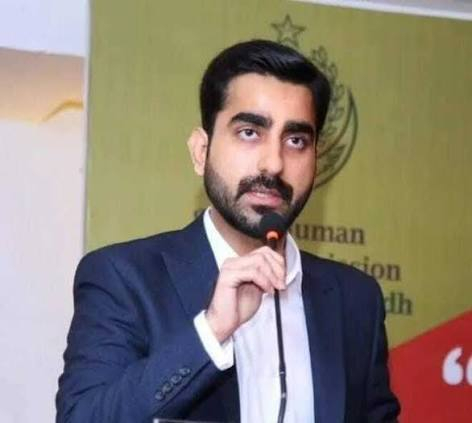
Sindh government spokesperson Sukhdev Hemnani calls for wider fuel relief and a lower petroleum levy.
Spokesperson for the Government of Sindh Sukhdev Hemnani has called for broader relief from rising fuel prices.
He urged the federal government to reduce its Petroleum Development Levy (PDL) target.
He also called for the use of available contingency funds.
Hemnani said the approved Rs75 billion fuel-relief package was not enough to address the wider impact of higher fuel costs. The Economic Coordination Committee approved the package for targeted relief to lower-income consumers.
Call for Lower Petroleum Levy
Hemnani said relief for motorcycles, rickshaws and small cars was important.
However, he said the current crisis required a broader response.
He pointed to agriculture, public transport and commercial transport.
These sectors face higher fuel costs, he said.
According to Hemnani, those costs can increase food prices, fares and household expenses.
He urged the federal government to review its petroleum levy target.
The federal budget for 2026–27 sets petroleum levy revenue at about Rs1.677 trillion.
Pakistan, Russia and Oman Begin Joint Counter-Terrorism Exercises
Hemnani said the target should be brought closer to the previous fiscal year’s level.
He argued that this would create fiscal space for wider consumer relief.
Contingency Funds
Hemnani also called for greater use of contingency resources.
He said about Rs389 billion had been allocated for emergencies and contingencies in FY2025–26.
According to his statement, around Rs276 billion was used.
He said approximately Rs113 billion remained unspent.
Hemnani argued that available resources could have been used to reduce the impact of higher fuel prices.
He also said about Rs430 billion had been budgeted for emergencies and contingencies in FY2026–27.
He urged the federal government to consider these resources for additional fuel relief.
The government’s existing Rs75 billion scheme targets lower-income users of two- and three-wheelers and cars up to 800cc.
Impact on Agriculture and Businesses
Hemnani said higher fuel prices affect more than individual motorists.
He said fuel costs influence transportation and agricultural inputs.
They also affect food prices and business costs.
He argued that relief should therefore cover the wider economic impact.
“Fuel prices do not affect motorists alone,” Hemnani said.
He called for measures that could protect consumers from the broader effects of higher petroleum prices.
Hemnani also referred to provincial contributions to national fiscal requirements.
He said provinces were sharing the national fiscal burden.
He called for every available fiscal instrument to be considered during the current economic pressure.