Qatar Backs Pakistan’s Mediation as Gulf Diplomacy Intensifies Amid Iran–US–Israel War and Hormuz Crisis
Web Desk May 12, 2026Qatar’s Prime Minister Sheikh Mohammed bin Abdulrahman Al Thani has expressed support for Pakistan’s mediation efforts aimed at ending the ongoing US–Israel conflict with Iran, as regional diplomacy intensifies amid escalating tensions in the Middle East.
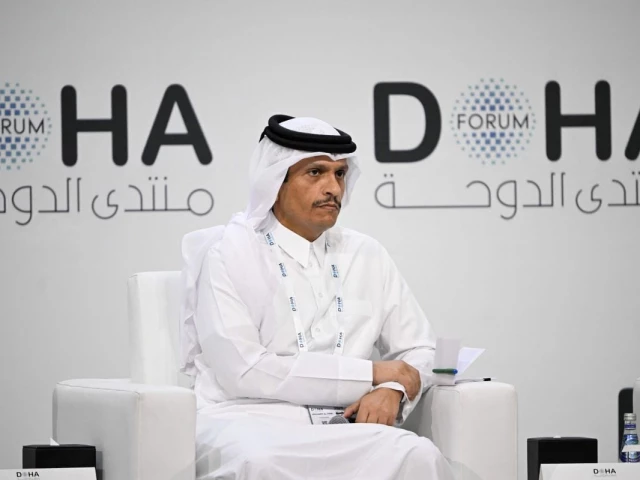
Qatar’s Prime Minister Sheikh Mohammed bin Abdulrahman Al Thani has expressed support for Pakistan’s mediation efforts aimed at ending the ongoing US–Israel conflict with Iran, as regional diplomacy intensifies amid escalating tensions in the Middle East.
Bilawal Bhutto Marks May 12 Tragedy, Says Karachi’s Innocent Lives Were Lost to Violence and Hatred
According to Al Jazeera, the Qatari premier made the remarks during a joint press conference with Turkish Foreign Minister Hakan Fidan, where both leaders discussed what they described as the “dire circumstances” in the region following the war and its wider economic and security fallout.
Sheikh Mohammed highlighted the growing crisis in the Strait of Hormuz, warning that restrictions on maritime movement were severely impacting global trade. He said the strategic waterway was being “used as a weapon in the conflict,” causing significant economic consequences for Gulf nations.
Turkish Foreign Minister Hakan Fidan reiterated Ankara’s strong backing for Pakistan’s diplomatic efforts, stressing that the conflict must end urgently to prevent further regional destabilization. He also condemned Israeli military actions in Gaza and Lebanon, calling them harmful to civilians and regional stability.
The Qatari leader emphasized that diplomatic engagement with Iran must continue and called for renewed “backdoor negotiations” to achieve de-escalation. He added that Qatar would continue consultations with Gulf partners to restore peace and stability in the region.
Meanwhile, Iranian political figures have escalated rhetoric amid the ongoing conflict. Iranian parliamentary spokesperson Ebrahim Rezaei suggested that Tehran could consider enriching uranium up to 90% purity if attacked again, a level widely regarded as weapons-grade, further raising international concerns over nuclear escalation.
The conflict, which began in late February, has also disrupted global energy markets, with crude oil prices rising sharply as shipping through the Strait of Hormuz remains severely restricted. Energy infrastructure in the Gulf, including facilities in the UAE, has suffered operational setbacks due to regional attacks, delaying full recovery of production capacities.
The United States and its allies continue to face diplomatic challenges in building consensus for a resolution, while internal political pressure mounts amid rising fuel prices and concerns over global economic stability.
Efforts led by regional mediators—including Qatar, Türkiye, and Pakistan—are now seen as increasingly critical in attempting to reopen diplomatic channels and prevent further escalation of the conflict.