PIA Privatization: Arif Habib Says Airline Will Return to Profit in First Year
New private management plans fleet expansion to 60 aircraft, investment in engineering facilities and completion of senior appointments within weeks.
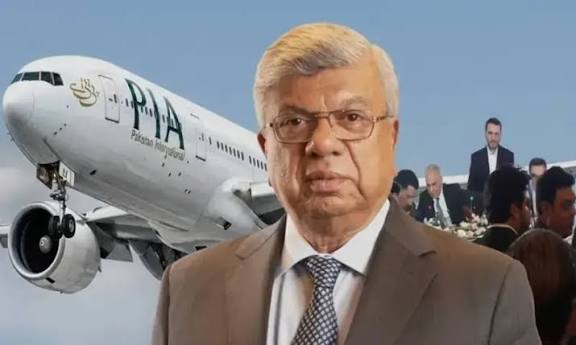
Arif Habib outlines PIA's growth strategy after assuming private management of the national airline.
KARACHI: PIA Privatization is expected to transform Pakistan International Airlines into a profitable business within its first year under private management, according to Arif Habib, Chairman of the Arif Habib Group.
Speaking to the media after assuming management control of the national carrier, Habib said PIA has strong growth potential and is well-positioned to achieve profitability. He added that the airline currently operates 18 aircraft and plans to expand its fleet to 60 aircraft over the next five years.
Budget Seminar: IBA Karachi Hosts Experts to Examine Federal Budget 2026–27
Habib said PIA’s engineering facility in Karachi is one of its key assets and will receive substantial investment to strengthen its maintenance and engineering capabilities. He also confirmed that the recruitment process for senior management positions is in progress and is expected to conclude within one to one-and-a-half months.
He said the privatization agreement protects the airline’s workforce during the transition period, ensuring that no employees will lose their jobs in the first year of private management.
Habib maintained that PIA has never recorded an operating loss and said the airline’s long-term prospects remain strong. He expressed confidence that the company would post a profit during its first year after privatization.
According to Habib, PIA owns 30 aircraft, of which 18 are currently operational. He said four to five grounded aircraft could be restored to service in the near future to strengthen operations. The airline also plans to add five wide-body aircraft as part of its expansion strategy.
He said the phased fleet expansion and investment programme are designed to improve operational efficiency, increase passenger capacity and support the airline’s long-term growth under private ownership.