PHC Strengthens Response to Disease Outbreaks Nationwide
Web Desk June 3, 2026PHC strengthens healthcare services in DRC, expanding Ebola prevention, MPOX response, hospitals, and community health support.
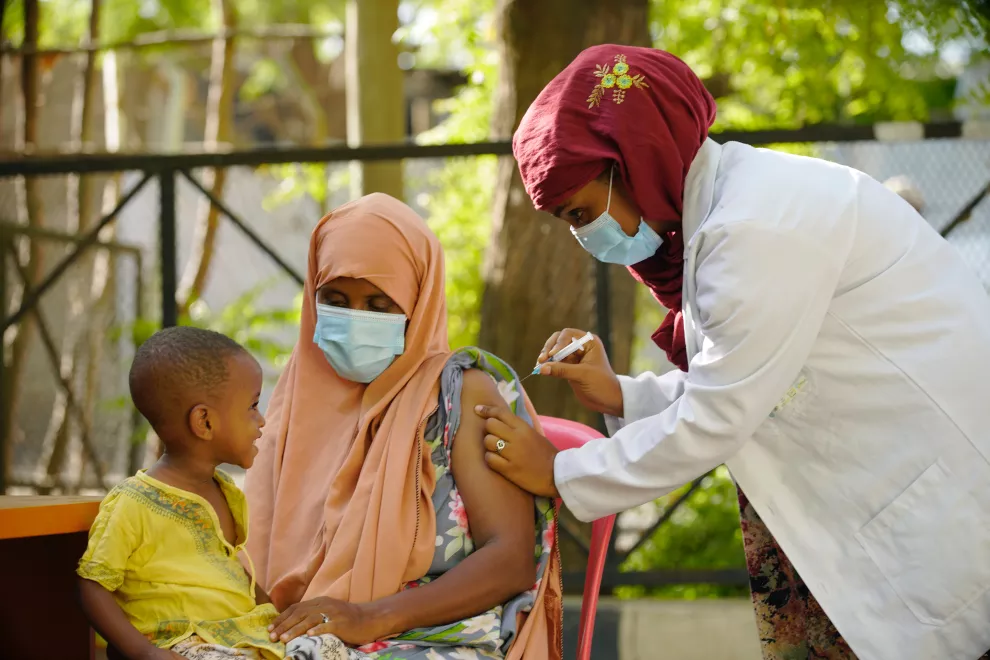
KINSHASA — Plantations et Huileries du Congo S.A. (PHC) has strengthened its prevention, surveillance, and medical response systems to address recurring public health challenges in the Democratic Republic of the Congo (DRC).
GCSTSI Delegation Meets FPCCI Leadership in Islamabad
The initiative comes amid heightened vigilance following the Ebola “Bundibugyo” outbreak declared in May 2026. In response, PHC has enhanced preventive measures across its operational sites and neighboring communities in Mongala, Équateur, and Tshopo provinces.
Preventive Measures and Community Awareness
Although no suspected Ebola cases have been reported within PHC facilities, the company has intensified awareness campaigns and health monitoring efforts.
PHC medical teams are conducting information sessions in villages, camps, and workplaces. These campaigns focus on Ebola symptoms, prevention methods, hygiene practices, and rapid reporting procedures. In addition, healthcare workers continue community surveillance activities to identify potential health risks at an early stage.
Continued Support in Fighting Epidemics
The company’s health response also targets other infectious diseases affecting the country, particularly MPOX and cholera.
Since May 2026, several MPOX cases have been reported in the Lolo Health Zone of Mongala Province. Patients are receiving treatment free of charge at Pembe Hospital, a PHC-supported healthcare facility. Furthermore, PHC continues to assist local health authorities through disease surveillance, prevention programs, and patient care services.
Extensive Healthcare Network
PHC plays a significant role in supporting healthcare access in remote rural regions. The company currently operates four hospitals: Pembe Hospital, Lokutu Hospital, Lokumete Hospital, and Boteka Hospital.
These facilities serve communities across Mongala, Tshopo, and Équateur provinces. Moreover, PHC manages 16 dispensaries and four health centers throughout its operational areas.
As part of its social commitments, the company has also constructed 15 health centers that were later transferred to the Congolese government to support local healthcare delivery.
Strengthening Preparedness and Patient Care
To improve readiness for Ebola and other infectious diseases, PHC is establishing dedicated isolation units for suspected cases. Medical personnel are receiving additional training on infection prevention, symptom detection, and patient referral procedures.
The company also plans to provide nutritional support for hospitalized patients to assist recovery and improve health outcomes.
Focus on Maternal and Child Health
Beyond epidemic response efforts, PHC continues investing in maternal and child healthcare services.
Healthcare facilities supported by the company are being equipped with improved maternity wards, pediatric services, incubators for premature newborns, and enhanced prenatal and postnatal care equipment.
Additionally, PHC promotes family planning services and public awareness campaigns aimed at reducing closely spaced pregnancies, a major contributor to maternal mortality in many parts of Sub-Saharan Africa.
Commitment to Community Resilience
PHC stated that its healthcare investments, prevention campaigns, and support for local medical facilities reflect its broader commitment to sustainable development and community resilience.
The company plans to continue working closely with health authorities, local communities, and public health partners to strengthen healthcare systems and improve preparedness for future public health challenges.