
Iran US Strikes Escalate as Tehran Targets American Bases Across Middle East
Iranian retaliation against US interests has intensified regional tensions across the Middle East.
Iran pushed ahead with retaliatory attacks against American interests across the Middle East on Wednesday, escalating a conflict that has spread from the Strait of Hormuz to US military bases and Washington’s Gulf allies.
The latest Iran US strikes followed a fresh wave of American attacks on Iranian targets. Tehran had earlier warned Washington that severe consequences would follow.
Iranian media said Tehran launched ballistic missiles towards two US bases in Jordan. The Jordanian army said it intercepted 10 Iranian ballistic missiles.
Authorities said three other missiles landed in remote areas. Jordan did not report confirmed casualties or damage.
Iran Targets US Interests Across Region
Missile and drone attacks were also reported in Kuwait, where the military said it was responding to Iranian hostilities.
In Bahrain, air raid sirens sounded early on Wednesday.
Iran’s army said it launched drone attacks against US forces at an air base in Bahrain.
Lahore Named SCO Tourism and Cultural Capital for 2026-27
Iran’s Revolutionary Guards also reported strikes against US bases in Iraq’s autonomous Kurdistan region.
Iranian state media said the attacks used missiles and drones. The Guards claimed they destroyed a maintenance centre, warehouses and military equipment.
Washington did not immediately comment on the latest reports.
President Donald Trump had previously warned Iran that further retaliation could trigger attacks at a “much harder and higher” level.
US Attacks Trigger New Cycle of Retaliation
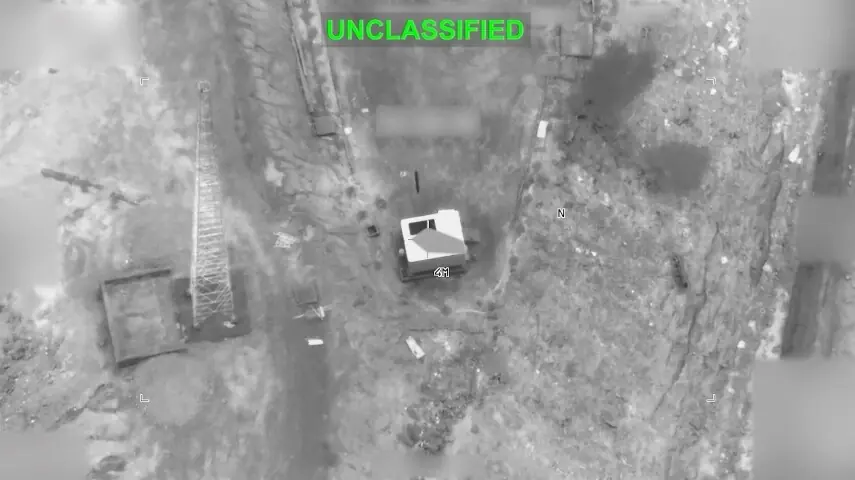
The latest escalation followed renewed US military action against Iranian targets.
Washington launched strikes on Sunday, marking the first known American attacks on Iran in several weeks.
Iran later targeted US forces in Jordan and the United Arab Emirates.
Unclaimed projectiles also struck two oil tankers during the growing regional crisis.
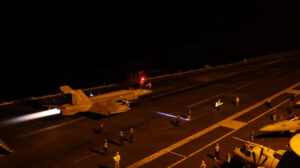
US forces carried out another round of strikes on Tuesday.
Iranian state television reported explosions in southern Iran near the Strait of Hormuz and on an island in the Gulf.
Iranian media also reported a strike on an airport in Kerman province.
The Iranian Red Crescent said shrapnel from a US missile strike hit a home during a wedding celebration in Kuhestak.
The organisation said four people, including a child, were killed. More than 50 others suffered injuries.
Iranian state media later reported seven deaths and eight injuries in an attack in Khuzestan province.
IRNA also reported that four projectiles struck areas in Chabahar and Konarak.
Trump Warns of Further Action
Trump described the latest US military action as “large and powerful”.
He said the strikes responded to what Washington described as Iran’s failed attempt to place sea mines in the Strait of Hormuz.
Trump also accused Iran of firing eight missiles towards a US military base in Jordan.
He said US defences intercepted the missiles.
The US president later said he was not trying to force Iran back to the negotiating table.
Iranian officials responded with fresh threats.
Revolutionary Guards spokesman Hossein Mohebi said Washington would regret the attacks.
Ebrahim Zolfaghari, spokesperson for Iran’s Khatam-al Anbiya central military command, warned that countries cooperating with US forces could face broader consequences.
US Cites Threats to Shipping and Troops
US Central Command said Tuesday’s attacks targeted the Revolutionary Guards.
Centcom said Iran had recently attempted attacks against commercial shipping in the Strait of Hormuz and American military personnel in the region.
The US military said its operations focused on military targets.
Asked about reports of civilian casualties, Centcom spokesman Captain Tim Hawkins said the US military does not target civilians.
Strait of Hormuz Remains at Centre of Crisis
The Strait of Hormuz remains the centre of the wider confrontation.
Iran has kept the strategic waterway closed, while the United States has continued pressure on Iranian ports.
Before the conflict, about one-fifth of global oil supplies passed through the strait.
Washington said its forces struck Iranian rocket launchers on Larak Island on Sunday.
US officials said they acted to prevent Iran from placing mines in key shipping routes.
The wider Middle East war began in late February after US-Israeli attacks on Iran.
A later ceasefire between Washington and Tehran collapsed after renewed attacks on commercial vessels in the Strait of Hormuz.
Tanker Attacks Add to Shipping Fears
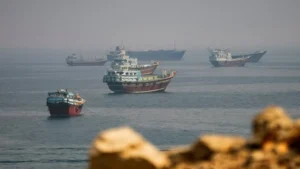
Maritime security company Marisks said two crude oil tankers were hit by unknown projectiles late on Monday.
The United Kingdom Maritime Trade Operations agency also recorded one of the incidents.
The agency reported no casualties or environmental damage.
The attacks have increased concerns about the security of commercial shipping through the region.
Diplomacy Remains Uncertain
Despite the continuing military escalation, Iran’s President Masoud Pezeshkian said Tehran remained ready to respond to any serious US effort to reach an agreement.
He warned, however, that renewed pressure and threats could damage the prospects for diplomacy.
The Iran US strikes have now expanded the conflict beyond direct attacks between Washington and Tehran.
With military bases, Gulf allies and commercial shipping increasingly exposed, concerns are growing that the confrontation could trigger a wider regional crisis.