Oil Prices Fall After US Iran Framework Deal Announcement
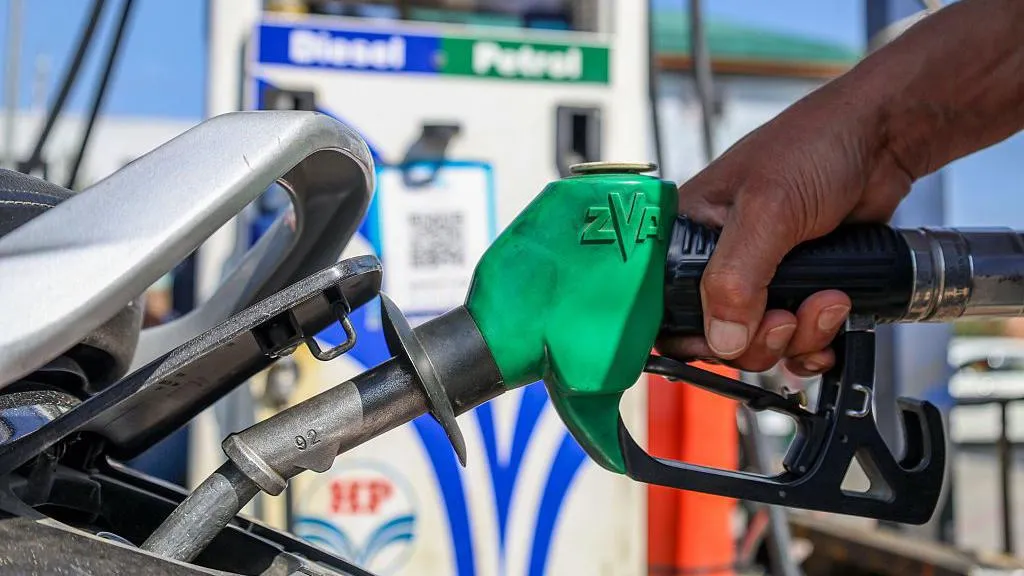
Markets react to the latest US-Iran framework agreement
Oil Prices moved lower while global stock markets advanced after the United States and Iran announced a framework agreement aimed at ending the conflict and reopening the Strait of Hormuz. Investors responded positively as expectations for reduced supply disruptions strengthened.
The decline in Oil Prices reflected hopes that energy flows could gradually normalize following months of instability. Moreover, market participants viewed the diplomatic breakthrough as a possible step toward improving global economic confidence.
Imran Khan Receives Fifth Eye Treatment at Pims Hospital
Donald Trump Signals Market Relief
US President Donald Trump announced that the agreement would support reopening the Strait of Hormuz and posted messages encouraging renewed energy movement.
Following the announcement, Brent crude dropped 4.7 percent and traded near $83.24 per barrel. The move represented a significant reversal after months of elevated energy prices.
Pakistan, which reportedly supported diplomatic engagement during the conflict period, announced that an official signing ceremony is expected to take place on June 19 in Switzerland.
Iran’s Deputy Foreign Minister Kazem Gharibabadi also confirmed on state television that an agreement framework had been finalized.
Strait of Hormuz Remains Key
The Strait of Hormuz remains one of the world’s most important energy corridors because roughly one-fifth of global oil and liquefied natural gas shipments pass through the route.
Since military tensions intensified earlier this year, the waterway experienced major disruptions that affected international energy markets.
Before the conflict, Brent crude traded around $70 per barrel. During the height of tensions, prices reportedly climbed close to $120 as concerns about supply security increased.
Although markets reacted positively, analysts cautioned that reopening commercial movement could require additional time.
Oil Prices Face Continued Volatility
Energy market analysts warned that uncertainty may continue because details of the framework agreement remain limited.
According to market commentary, traders may continue responding to developments until implementation measures become clearer.
Experts also noted that reopening shipping routes and restoring logistics infrastructure could create short-term volatility despite improving sentiment.
Additionally, the return of oil movement may depend on safety operations, vessel scheduling, and production recovery.
Global Markets Respond Positively
Stock markets across Asia recorded strong gains after the announcement. Japan’s Nikkei 225 closed approximately 5 percent higher, while South Korea’s Kospi gained more than 5 percent.
European markets also advanced, with Germany’s DAX and France’s CAC 40 showing notable gains. Meanwhile, London’s FTSE 100 moved higher as investor confidence improved.
Market specialists stated that full normalization is unlikely to happen immediately. Shipping operations, energy production, and supply chains may require several weeks before returning to typical levels.
Even so, the latest developments reinforced expectations that diplomatic progress can influence both energy markets and broader economic outlooks.