Middle East Conflict: Israel and Hezbollah agree ceasefire amid fragile US-brokered deal claims
Deadly strikes continue in southern Lebanon as officials report dozens killed and both sides question durability of truce.
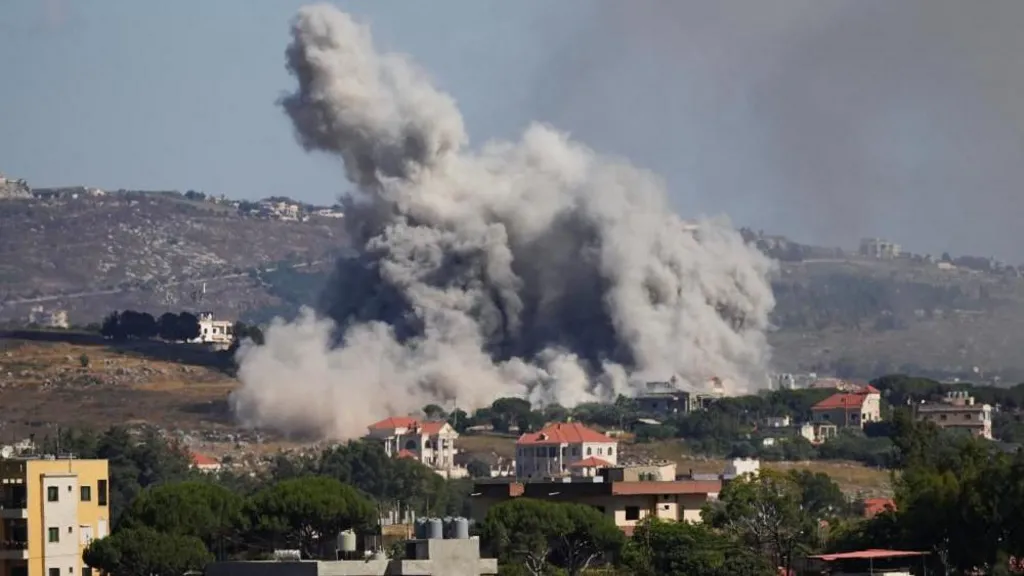
Aerial view of damaged buildings and smoke in southern Lebanon amid Israel Hezbollah ceasefire claims and ongoing strikes.
A Middle East Conflict ceasefire between Israel and Hezbollah has been announced by a US official following days of intense fighting in southern Lebanon, though reports of continued airstrikes have cast doubt on whether the agreement is holding on the ground.
Israel and Hezbollah reportedly agreed to pause hostilities after escalating violence that included Israeli air raids in southern Lebanon and cross-border attacks that left soldiers and civilians dead.
The agreement follows concerns that ongoing clashes could undermine a wider US-brokered understanding involving United States and Iran aimed at stabilising the broader regional conflict.
Lebanese authorities said Israeli air strikes killed at least 47 people, including women and children, in multiple towns across the Nabatieh district, while 97 others were injured in the bombardment.
Health Emergency: Balochistan sends acid attack survivor Dr Mahnoor Naseer to US for treatment
However, rescue officials in Nabatieh reported at least 12 airstrikes after the ceasefire officially came into effect, raising questions over enforcement and compliance on the ground.
Hezbollah leader Sheikh Naim Qassem declared that “the project to eliminate Hezbollah has failed,” while the Israeli military said it would continue to remove “immediate threats” and respond to any violations.
Israeli far-right minister Itamar Ben Gvir reacted strongly to the deaths of Israeli soldiers, saying “Lebanon must burn,” reflecting deep divisions within Israel over the handling of the conflict.
Benjamin Netanyahu remains under domestic pressure to continue military operations, while critics argue the situation shows limited control over hardline positions on both sides.
Iran’s Foreign Minister Abbas Araghchi accused Israel of seeking “permanent war,” warning that any breach of the agreement would be attributed to the United States.
Lebanon has been heavily affected by the fighting, with more than 3,900 people killed since the escalation began, according to health authorities, and around one million displaced from their homes.
Despite the announcement of a truce, scepticism remains high among civilians, many of whom say previous agreements have failed to hold and fear renewed escalation.
The situation continues to evolve rapidly, with conflicting claims from all sides over whether the ceasefire is being implemented or already breaking down.