United States & Israel Iran war reaches 100-day stalemate crisis
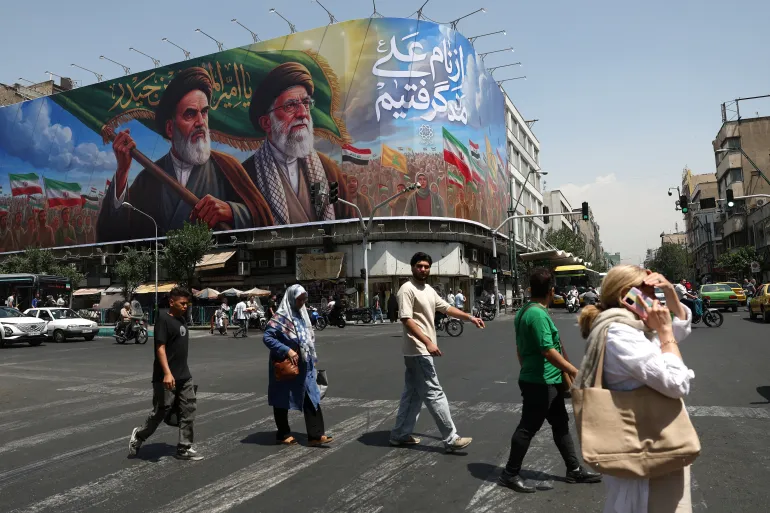
Geopolitical tension between Iran, United States, and Israel with naval and missile conflict near Strait of Hormuz. PHOTO BY BBC
The Iran war has entered a prolonged and unstable phase, according to the reported 100-day assessment of the conflict involving the United States and Israel against Iran. The situation remains unresolved as both sides continue to pursue unmet strategic objectives.
At the center of the Iran war is a struggle over military deterrence, nuclear capability, and regional influence. According to the report, neither side has achieved decisive success, while ceasefire violations and continued strikes have kept tensions active across multiple fronts.
Iran war and Hormuz closure impact
The Iran war has significantly affected global maritime routes, especially the Strait of Hormuz. The strait remains largely closed, disrupting oil and LNG transport that normally passes through this critical chokepoint.
According to the source, Iran has restricted maritime traffic as a form of leverage. Meanwhile, US-led efforts to reopen the route have not fully succeeded. As a result, global energy markets face continued uncertainty.
Israel United States military objectives
Military objectives in the Iran war reportedly include degrading Iran’s nuclear infrastructure and weakening its military capabilities. The report states that early strikes significantly reduced Iran’s missile and drone operations.
However, despite coordinated operations by United States and Israel, Iran’s leadership structure has remained intact, according to the analysis. This has complicated long-term strategic planning.
Iran regional alliances and losses
The Iran war has also reshaped regional alliances. Iran’s network of allied groups across the Middle East has reportedly weakened due to sustained pressure and military losses.
The report states that Iran continues to face casualties among senior figures and infrastructure damage. However, it also claims that Iran has maintained internal continuity despite significant economic and military strain.
Strait of Hormuz shipping crisis
The Iran war has intensified instability in global shipping lanes, especially through the Strait of Hormuz. Naval activity and restricted passage have increased risks for commercial vessels.
According to the report, diplomatic coordination attempts by Western allies have faced resistance. Several international partners reportedly declined deeper involvement, further complicating maritime security efforts.
Iran nuclear debate intensifies
The Iran war has renewed debate over Iran’s nuclear future. The report suggests that Iranian leadership views nuclear capability as a potential deterrent following sustained military pressure.
Negotiations remain difficult, as trust between involved parties has weakened. The nuclear issue continues to be one of the most sensitive and unresolved dimensions of the conflict.
Domestic stability and governance pressure
Domestically, the Iran war has shifted political focus inside Iran. According to the report, external conflict has temporarily reduced visible internal protests while reinforcing state security narratives.
However, tensions between governance challenges and security priorities persist. Analysts suggest this divide could influence Iran’s future political direction and response strategy.