Huawei DRAM: Company Plans State-Backed Memory Plant to Reduce Chip Dependence
Huawei reportedly partners with Swaysure and Chinese government entities to build a large-scale DRAM production facility aimed at strengthening supply chains amid global memory shortages.
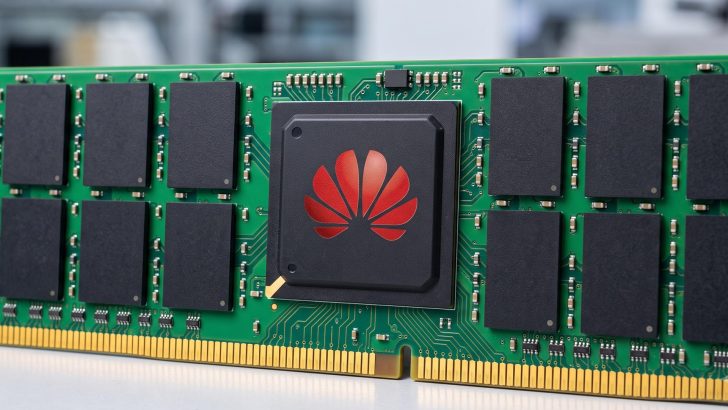
Huawei reportedly plans a state-backed DRAM manufacturing facility to strengthen China's semiconductor supply chain.
Huawei DRAM plans are moving forward as the Chinese technology giant reportedly works with memory chip maker Swaysure and government-backed partners to establish a domestic DRAM manufacturing facility, a move designed to reduce reliance on foreign suppliers and strengthen China’s semiconductor industry.
According to reports, the proposed 12-inch memory fabrication plant would produce 28nm DRAM chips with an initial manufacturing capacity of 140,000 wafers per month. If completed, the facility could help Huawei secure a more stable supply of memory chips during the ongoing global DRAM shortage.
The reported partnership brings together Huawei, Swaysure and Chinese government entities. Industry sources say the project aims to reduce the company’s dependence on leading global memory manufacturers, including Samsung, SK hynix and Micron, which together account for the vast majority of the world’s DRAM supply.
US-Iran Conflict: Fresh Strikes Escalate as Tensions Surge Over Strait of Hormuz
The initiative also reflects Huawei’s broader strategy to strengthen its domestic semiconductor capabilities as US trade restrictions continue to limit the company’s access to advanced technologies.
To support the project, Huawei has reportedly recruited experienced semiconductor executives, including a former Taiwan Semiconductor Manufacturing Company (TSMC) director to lead the venture and a former Elpida executive to provide strategic guidance.
Although Huawei has extensive experience designing semiconductors through its fabless business model, it has limited expertise in DRAM manufacturing. Partnering with Swaysure is expected to provide the technical knowledge needed to establish large-scale memory production.
Government support could also accelerate the project’s development by helping secure approvals, infrastructure and financial backing, according to industry reports.
The move comes as technology companies worldwide seek to protect their supply chains against ongoing memory shortages. Many firms have diversified suppliers to reduce procurement risks, while Huawei appears to be pursuing vertical integration by developing its own manufacturing capabilities.
A reliable domestic DRAM supply could help Huawei reduce production costs over the long term, improve component availability and support future smartphone and artificial intelligence products. It could also lessen the impact of supply disruptions or additional export restrictions affecting overseas chipmakers.
The project remains at the planning stage, and Huawei has not publicly confirmed details of the reported manufacturing facility.