US-Iran Conflict: Fresh Strikes Escalate as Tensions Surge Over Strait of Hormuz
Web Desk July 12, 2026Washington and Tehran exchange new military attacks after a disputed shipping incident, deepening regional instability and raising concerns over global energy supplies.
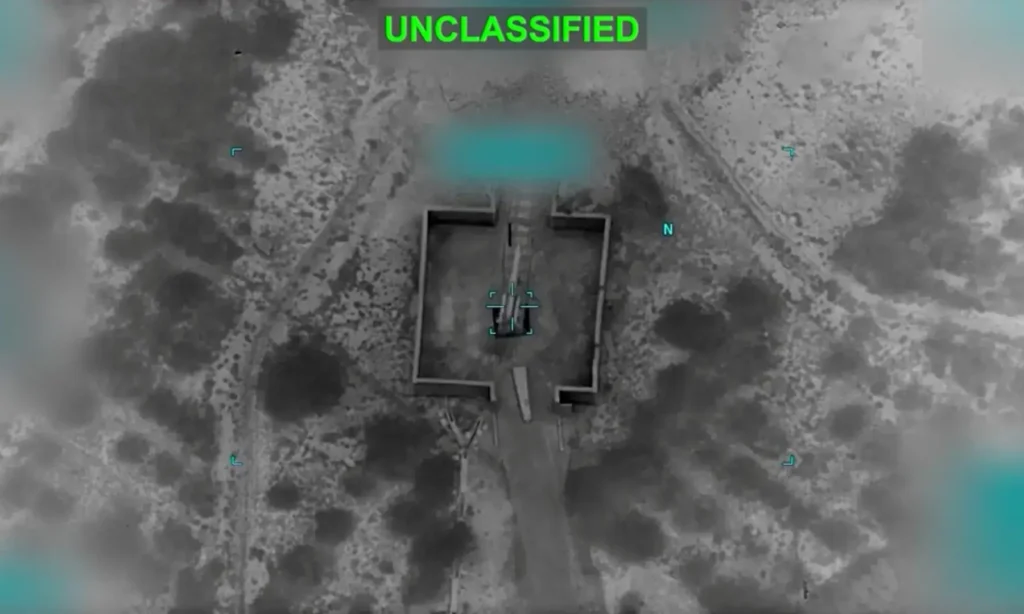
Military tensions escalate in the Gulf as the United States and Iran exchange fresh strikes amid the Strait of Hormuz crisis.
US-Iran Conflict intensified on Sunday as the United States launched fresh military strikes on Iran following an incident involving a commercial container ship in the Strait of Hormuz. Iran, meanwhile, said it had closed the strategic waterway again and expanded attacks on US military facilities across the Gulf.
The latest escalation came after several days of military exchanges between Washington and Tehran. US President Donald Trump declared that a ceasefire intended to halt the conflict had ended, although he indicated that negotiations could still continue.
Iran said it closed the Strait of Hormuz after firing what it described as a warning shot that struck a container ship travelling on an “unauthorised route.” Iranian authorities warned that any military response to the incident would trigger what they called a “severe response.”
The US Central Command disputed Iran’s claims, saying commercial vessels continued to pass through the waterway, which normally carries around one-fifth of the world’s oil and liquefied natural gas shipments.
Gujrat Arrest: Seminary Teacher Held in Student Abuse Case After Police Raid
According to the US military, American forces struck 140 Iranian military targets on Saturday, bringing the total to more than 300 targets over three days. US officials said the operations aimed to reduce Iran’s ability to threaten commercial shipping in the Strait of Hormuz.
Iranian state media reported explosions in several port cities following the strikes.
In response, Iran’s Revolutionary Guards said they targeted multiple US-linked military sites across the Gulf region. The group claimed it struck a command and control centre and drone facilities in Jordan, a US radar installation in Kuwait, support and refuelling platforms linked to a US aircraft carrier in Oman, and a fighter jet maintenance and command facility in Qatar.
The Guards also claimed they struck and disabled another vessel in the Strait of Hormuz.
Elsewhere in the Gulf, the United Arab Emirates said its air defence systems intercepted Iranian missiles and drones, while warning sirens sounded in Bahrain. Residents in Doha also reported hearing explosions.
The latest attacks marked a significant escalation in the conflict, with Iran expanding the number of regional targets. The continued disruption in the Strait of Hormuz has pushed global energy prices higher, raising concerns over inflation and the potential impact on the world economy.
Iran said several ships had attempted to pass through the strait using unauthorised routes and ignored repeated warnings. The Revolutionary Guards said the waterway would remain closed until what they described as an end to US interference in the region.
Iranian Foreign Minister Abbas Araqchi accused Washington of violating the ceasefire agreement, saying that any future understanding would require both sides to honour their commitments.
Meanwhile, Iran’s parliamentary speaker and chief negotiator, Mohammad Baqer Ghalibaf, said on social media that “the era of one-sided deals is over,” signalling Tehran’s hardened position.
Iranian and Omani officials also met in Muscat to discuss possible mechanisms for ensuring the safe passage of commercial shipping through the Strait of Hormuz. Oman said technical and political discussions would continue.
Separately, a written statement attributed to Iran’s new Supreme Leader, Ayatollah Mojtaba Khamenei, vowed to avenge the death of his predecessor, Ayatollah Ali Khamenei, who was reportedly killed during the early stages of the conflict.
The competing claims made by both sides could not be independently verified, and the conflict continues to evolve amid growing international concern over regional security and global energy supplies,