FPCCI, UBG Unveil $1 Billion Per District Vision at Pakistan Economic Summit 2026
Business leaders urge policy reforms, export-led growth and stronger public-private collaboration to unlock Pakistan’s economic potential at a landmark national summit.
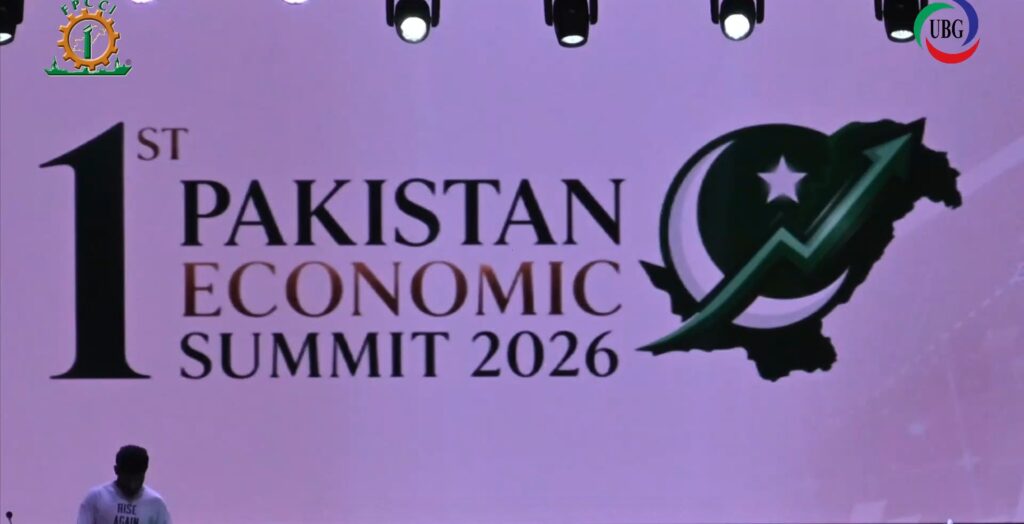
Business leaders address delegates during the Pakistan Economic Summit 2026 in Islamabad.
ISLAMABAD — Pakistan Economic Summit 2026 brought together business leaders, policymakers and trade representatives from across the country as the Federation of Pakistan Chambers of Commerce and Industry (FPCCI) and the United Business Group (UBG) jointly hosted the inaugural national economic forum at the Jinnah Convention Centre.
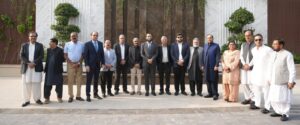
Held under the leadership of FPCCI President Atif Ikram Sheikh and UBG Patron-in-Chief S. M. Tanveer, the summit was attended by Federal Interior Minister Mohsin Naqvi as the chief guest. Representatives from chambers of commerce, trade associations and business organisations from Islamabad, Gilgit-Baltistan, Khyber Pakhtunkhwa, Balochistan, Punjab, Sindh and Azad Kashmir participated in the high-profile gathering.
Pakistani Textile Firms Showcase Export Strength at Texworld NYC 2026
More than 100 words into the discussions, Pakistan Economic Summit focused on an ambitious vision to transform each of Pakistan’s 170 districts into a potential $1 billion export hub. Addressing participants, Atif Ikram Sheikh and S. M. Tanveer said Pakistan possesses abundant natural resources, mineral wealth and strategic advantages, yet continues to face economic challenges, including dependence on foreign loans, rising unemployment and stagnant exports of around $30 billion.
The business leaders stressed that Pakistan’s economic future depends on consistent policies, industrial expansion, export diversification and investment-friendly reforms. They argued that with strategic planning, improved infrastructure and government support, every district could become a driver of economic growth and export development.
Delegates from across the country presented region-specific proposals aimed at removing business bottlenecks, lowering the cost of doing business and strengthening local industries. The recommendations focused on improving competitiveness, encouraging entrepreneurship and creating sustainable employment opportunities.
Participants also underscored the importance of stronger collaboration between the public and private sectors to accelerate economic reforms and unlock Pakistan’s untapped regional potential. They described the summit as an important platform for shaping a long-term, export-oriented economic strategy.