HPV Vaccine Cuts Cervical Cancer Death Risk to Near Zero
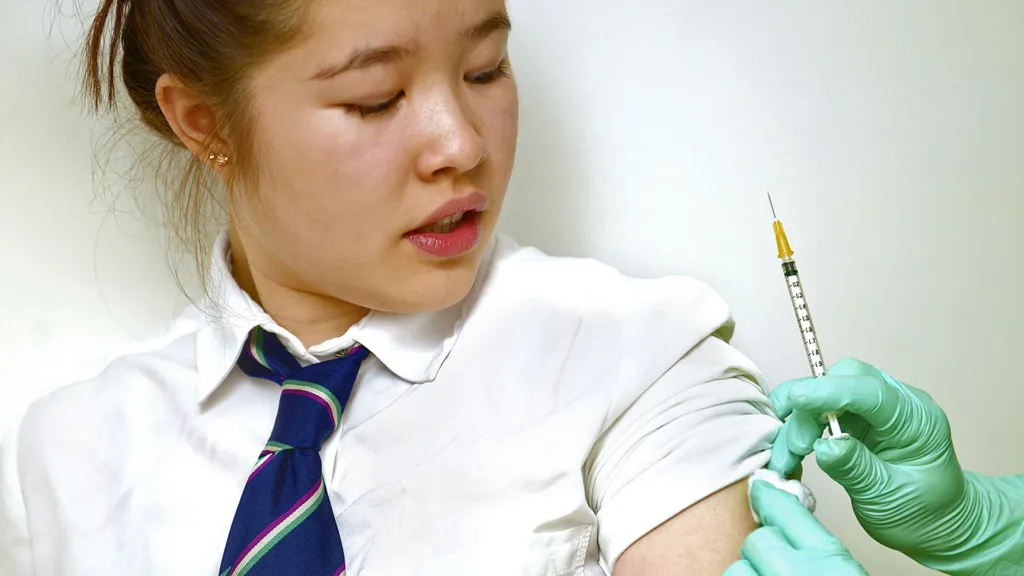
The HPV vaccine is showing extraordinary results in reducing cervical cancer deaths among young women in England. New landmark research found that girls vaccinated between ages 12 and 13 now face an almost zero risk of dying from cervical cancer before turning 30.
Researchers reported that school vaccination programs introduced in 2008 have already prevented around 200 deaths. Moreover, between 2020 and 2024, no cervical cancer deaths were recorded among women aged 20 to 24 in England. Experts estimated that around 23 deaths would have been expected without vaccination.
This finding marks an important milestone because it offers direct evidence that vaccination not only lowers cancer cases but also saves lives.
Trump Claims Victory as Iran Deal Opens New Negotiations
Queen Mary HPV Vaccine Findings
The study was led by Professor Peter Sasieni at Queen Mary University of London. According to the research team, the decline in deaths represents only the beginning of the vaccine’s long-term impact.
HPV, or human papillomavirus, spreads mainly through close skin-to-skin contact. While most infections clear naturally, some can trigger abnormal cell changes that later develop into cervical cancer.
Professor Sasieni reportedly described the results as remarkable and stated that it is extraordinary to see a single vaccine nearly eliminate one type of cancer.
Researchers expect the number of prevented deaths to continue rising as vaccinated generations grow older and receive long-term protection.
Cancer Research UK Response
Cancer Research UK funded the study and described the findings as an important public health milestone. However, the organization also warned that vaccination rates remain below the level recommended to eliminate cervical cancer.
Current figures show that 76% of girls in England received vaccination by age 15 during 2024–25. In contrast, health targets recommend reaching at least 90% coverage.
Michelle Mitchell stated that the findings provide the first direct evidence that the vaccine is saving lives and emphasized the need to maintain strong uptake nationwide.
Health authorities are also expanding catch-up campaigns and increasing community outreach efforts to improve access.
Alexandra Legg Cervical Cancer Story
Alexandra Legg left school shortly before the HPV vaccination program began in England. Years later, while preparing for her wedding in 2021, she received a cervical cancer diagnosis at age 30.
She described the experience as overwhelming and explained that treatment required surgery involving lymph node removal. Doctors preserved part of her cervix, which later allowed the possibility of pregnancy.
One year later, she gave birth to her daughter Ivy. Alexandra said she strongly supports vaccination and plans to ensure her daughter receives the vaccine when eligible.
Her experience highlights why prevention remains a major focus for health systems.
England HPV Vaccine Targets
Health officials continue working toward eliminating cervical cancer as a public health issue by 2040.
Officials also reminded women aged 25 to 64 that cervical screening remains important even after vaccination. In addition, boys have received HPV vaccination since 2019 to reduce risks associated with several HPV-related cancers and lower transmission rates.
The Department of Health and Social Care stated that the research demonstrates the extraordinary impact of vaccination. Authorities also announced expanded catch-up programs and wider access initiatives.
Experts say maintaining strong vaccination coverage and regular screening will remain essential for achieving long-term cancer prevention goals.