Trump Claims Victory as Iran Deal Opens New Negotiations
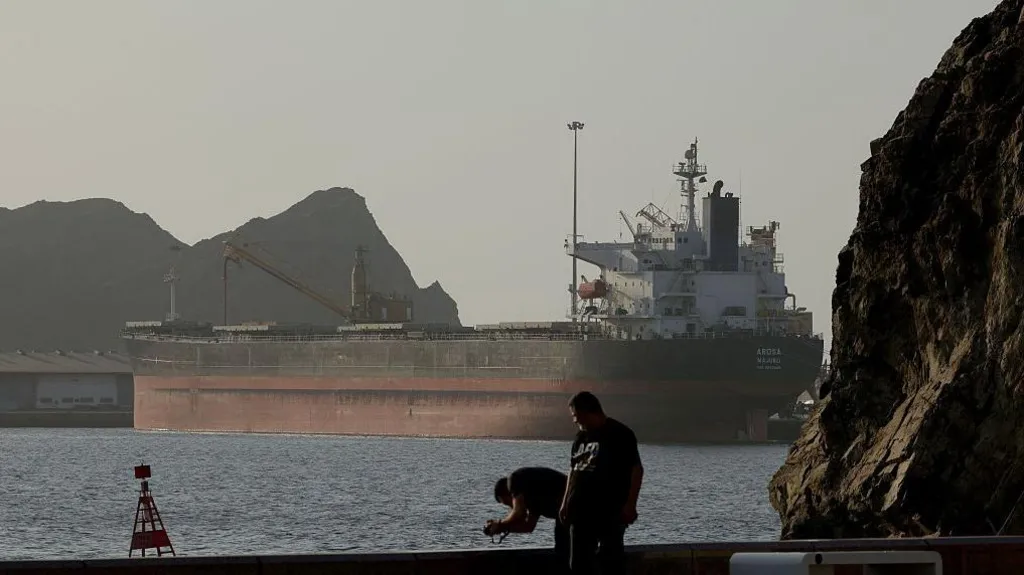
US and Iran enter a new phase of negotiations after ceasefire.
The Trump Iran Deal has officially ended active fighting and created a framework for future negotiations. However, both governments now face pressure to prove that the agreement delivers meaningful results. Supporters describe the arrangement as a strategic success, while critics argue that important compromises remain unresolved.
Although military operations have stopped, the next phase could prove more difficult. The agreement creates a 60-day negotiation framework focused on Iran’s nuclear programme while introducing broader discussions around economic relief and regional stability.
Pakistan Embassy Drives Investment Ahead of Pakistan-China Pharma Conference
Trump Iran Deal Framework
The Memorandum of Understanding establishes an immediate halt in military operations and creates a pathway for diplomatic engagement. According to public statements surrounding the agreement, both governments presented the outcome as evidence of strength rather than compromise.
Under the framework, Iran reportedly agreed to support safe commercial movement through the Strait of Hormuz, reaffirm that it will not pursue nuclear weapons, and participate in negotiations concerning enriched uranium and future enrichment activity.
Meanwhile, US commitments reportedly include steps connected to easing economic restrictions, facilitating commercial activity, and encouraging reconstruction initiatives through regional coordination.
As a result, both sides gained political space while delaying the most difficult questions.
Iran Leaders Defend Deal
For Iran’s leadership, the agreement creates an opportunity to argue that the state preserved its political position while avoiding military escalation. Officials emphasized sovereignty and economic prospects while presenting negotiations as a controlled diplomatic process.
At the same time, internal pressure remains significant. State institutions and political figures had previously framed the conflict in highly confident terms. Therefore, future concessions may become politically sensitive.
Officials have also suggested that difficult decisions involving enriched uranium and nuclear infrastructure remain unresolved. Consequently, negotiators must balance domestic expectations with international demands.
Several Iranian political voices continue to frame negotiations as a test of national leverage rather than a diplomatic reset.
Donald Trump Faces Critics
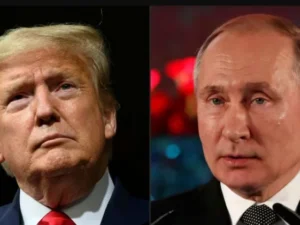
Donald Trump described the agreement as a major success and linked the outcome to economic stability and lower pressure on global energy markets.
Supporters argue that reducing tensions may limit broader economic disruption and avoid a prolonged regional conflict. In addition, political allies view the agreement as consistent with earlier campaign messaging that opposed extended foreign military commitments.
However, criticism emerged from multiple political figures who questioned whether the framework offers too many benefits before long-term nuclear questions are settled.
Some critics also challenged reports connected to reconstruction funding and economic relief proposals. Debate intensified over whether future commitments could create political risks.
Therefore, the agreement now faces scrutiny not only internationally but also within domestic political circles.
Iran Nuclear Talks Continue
Although the ceasefire has created temporary stability, negotiators still face difficult discussions. Issues involving enriched uranium, future enrichment capacity, and reconstruction priorities remain open.
For Iran, maintaining public support while negotiating further concessions may become increasingly difficult. For Washington, maintaining pressure while sustaining diplomacy creates its own challenge.
As negotiations continue, both governments appear focused on presenting the process as strategic success rather than compromise.
The next phase of talks may ultimately determine whether the ceasefire becomes a lasting agreement or simply delays another period of tension.