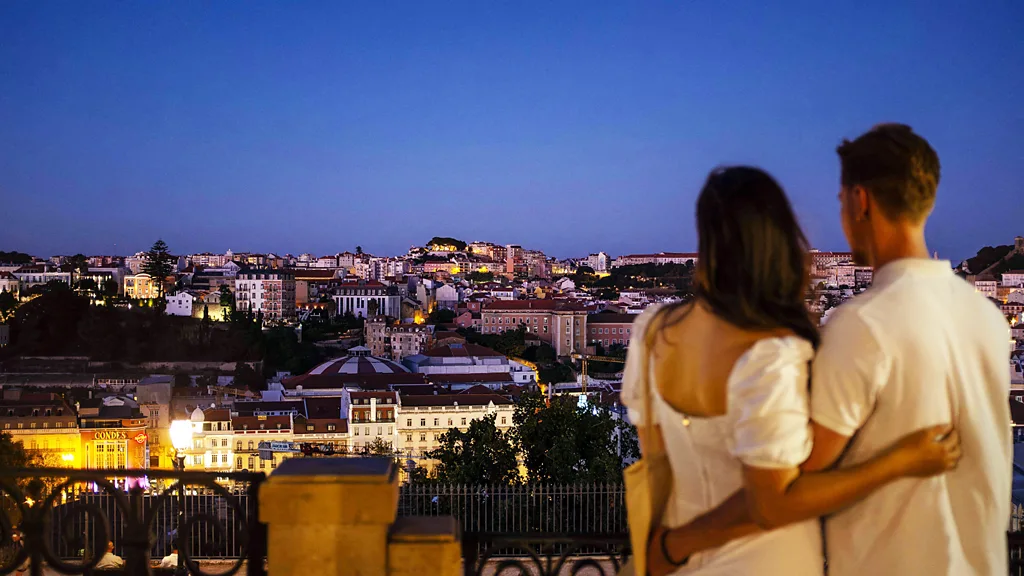
Tourists explore European cities after sunset to avoid extreme heat. PHOTO FILE
Noctourism is rapidly becoming one of Europe’s biggest travel trends as record-breaking temperatures push visitors to rethink traditional sightseeing schedules. Instead of exploring cities during the hottest hours, many travelers now venture out after sunset to enjoy cooler temperatures and fewer crowds.
Moreover, rising temperatures across Southern Europe are making daytime tourism increasingly challenging. As a result, travelers are embracing local lifestyles and discovering that some of the continent’s most memorable experiences happen at night.
Seville Leads the Noctourism Movement
The Spanish city of Seville has become a leading example of how Noctourism is reshaping summer travel. During a recent heatwave, traveler Dane Maxwell adjusted his schedule to match local routines.
Instead of sightseeing under temperatures reaching 44°C, he stayed indoors during the afternoon. Later, he enjoyed dinners after 20:00 and explored the city between midnight and 02:00.
According to Maxwell, the late-night hours offered a completely different experience. The streets remained lively, while major attractions appeared far less crowded than during the day.
Seville Adapts to Rising Temperatures
Local authorities in Seville have introduced several measures to help residents and tourists cope with extreme heat. Shade canopies now cover parts of the historic center, while long-term plans aim to expand urban greenery across the city.
Additionally, projects such as CartujaQanat use underground water systems and cooling infrastructure to lower temperatures in public spaces. However, residents say one of the most effective solutions remains the traditional siesta.
Saida Segura from the Sevilla City Office explained that locals have long adjusted their schedules around summer heat. Consequently, daily activities continue as usual but often begin later in the evening.
Rome Expands Nighttime Experiences
In Rome, summer temperatures regularly exceed 35°C. Therefore, many travelers now divide their day into two parts: early morning exploration followed by evening outings.
Australian traveler Tamara Richardson reportedly changed her itinerary after experiencing Rome’s intense daytime heat. She and her friends visited major attractions early in the morning, rested during the afternoon, and resumed sightseeing after sunset.
One highlight included attending a performance of Don Giovanni at the Teatro dell’Opera di Roma Caracalla Festival. The outdoor evening event allowed visitors to enjoy culture without facing the harsh midday sun.
Rome Nightlife Supports Noctourism Growth
Local resident Lisa Zacchia stated that Romans have traditionally adapted to summer heat through routines such as the riposo and the evening passeggiata.
Furthermore, seasonal events along the Tiber River attract residents and tourists well into the night. Open-air cinemas, food stalls, and riverside festivals provide alternatives to daytime sightseeing.
Several historic landmarks also extend visiting hours. This allows travelers to experience famous sites with cooler temperatures and shorter queues.
Athens Thrives After Sunset
The Greek capital of Athens has also embraced Noctourism as summer temperatures continue to rise. Local resident Stavros Kapnias noted that the city reaches its peak energy between 22:00 and 23:00.
During these hours, restaurants remain busy, music fills the streets, and outdoor social life flourishes. Meanwhile, visitors can enjoy illuminated landmarks and a more relaxed atmosphere.
The iconic Acropolis stays open until evening during summer months. As a result, tourists can visit after the strongest heat has passed while enjoying sunset views across the city.
Noctourism Changes European Travel Habits
Across Europe, cities are adapting to changing climate conditions by encouraging activities outside traditional sightseeing hours. Travelers are increasingly replacing midday excursions with night markets, evening tours, cultural performances, and late-night dining experiences.
In addition, nighttime tourism helps reduce overcrowding at major attractions. Visitors often enjoy a more authentic atmosphere while experiencing destinations as locals do.
Industry experts suggest that Noctourism will continue growing as climate-related challenges reshape travel behavior across the continent.
Noctourism Offers a New Way to Explore Europe
As Europe faces hotter summers, travelers are finding practical ways to stay comfortable without sacrificing their experiences. By embracing local schedules and exploring cities after dark, visitors can avoid extreme temperatures and discover a different side of famous destinations.
Consequently, Noctourism is becoming more than a travel trend. It is evolving into a smarter approach to experiencing Europe during the summer months while adapting to a warming climate.