Blue Passports: Government Promises Tighter Rules After Bill Draws Criticism
Interior Ministry says official passports will remain restricted to official duties as debate continues over extending the facility to former lawmakers’ children.
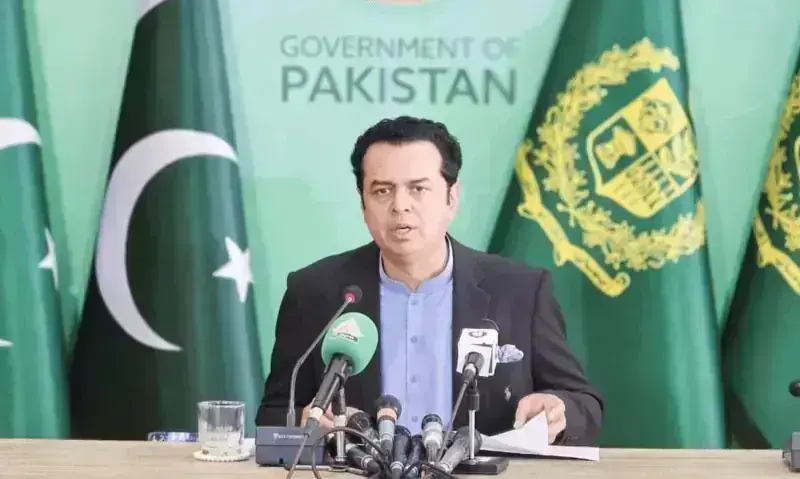
Government pledges tighter controls on official blue passports amid debate over proposed legislation.
ISLAMABAD: Pakistan and China strengthened their pharmaceutical partnership after both sides finalised investment agreements worth $850 million on the concluding day of the two-day Pakistan-China Pharmaceutical and Healthcare B2B Investment Conference in Islamabad.
Federal Health Minister Mustafa Kamal announced that participants signed 16 contracts and 80 memorandums of understanding (MoUs), calling the outcome a major milestone in economic and industrial cooperation between the two countries.
Speaking at a media briefing on Saturday, Kamal said the agreements include $600 million in contracts and $250 million in MoUs. He added that 18 agreements focus on developing and producing herbal medicines.
Kamal welcomed the expanding partnerships between Pakistani and Chinese companies, saying the investments will strengthen Pakistan’s pharmaceutical industry and accelerate local manufacturing.
KMC Emergency: Karachi to Upgrade Beach Rescue Centre and Build New Fire Station
He said both countries also discussed establishing local vaccine production because Pakistan currently imports 13 different vaccines. He warned that the country’s vaccine import bill could reach $1.2 billion by 2030 unless Pakistan expands its local manufacturing capacity.
The minister noted that Pakistan imports nearly 90 per cent of its pharmaceutical raw materials. He said the new agreements will help local companies produce these materials domestically, reducing medicine prices and lowering import costs.
The conference also promoted medical device manufacturing, clinical trials and vocational training in the pharmaceutical sector.
Kamal said the Drug Regulatory Authority of Pakistan (DRAP) has digitalised more than 80 per cent of its services. He added that pharmaceutical companies can now apply for medicine licences online, while authorities will issue licences within 20 days under the simplified system.
The minister highlighted Pakistan’s growing international credibility in pharmaceutical regulation. He noted that the World Health Organization (WHO) has prequalified local drug-testing laboratories, reflecting international confidence in the country’s regulatory standards.
He said the strong participation of Chinese companies demonstrates growing investor confidence in Pakistan’s pharmaceutical sector and will create jobs, encourage technology transfer and boost foreign exchange earnings.
Minister of State for Health Dr Malik Mukhtar Ahmed Bharat described the conference as a historic commercial and strategic initiative that will further strengthen Pakistan-China cooperation.
The conference brought together 146 Chinese companies, represented by around 220 delegates, and more than 200 Pakistani companies, making it one of the largest Pakistan-China business engagements in the pharmaceutical, healthcare and biotechnology sectors.