Pakistan Yarn Merchants Association Rejects textile budget 2026 over SME neglect

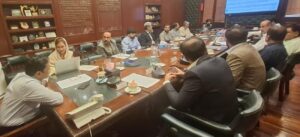
Textile traders reviewing Pakistan budget documents amid industry concerns in Karachi market.
The textile budget in Pakistan has triggered strong reactions from trade bodies. Pakistan Yarn Merchants Association has rejected the textile budget 2026-27, calling it unfair to SMEs.
The textile budget controversy highlights growing tensions between traders and policymakers. According to statement by Chairman Saqib Goodluck, the government ignored key proposals affecting the textile value chain in Pakistan.
PPP leader Imtiaz Ahmed Shaikh discusses Sindh investment with Greek envoy visit
PYMA Rejects Textile Budget 2026
Pakistan Yarn Merchants Association strongly criticized the textile budget 2026. The association called it an “elitist budget” reportedly favoring large manufacturers.
The textile budget, according to PYMA, failed to address SME challenges. It also widened the gap between traders and industrial players in Pakistan.
Saqib Goodluck Textile Budget Criticism
Saqib Goodluck stated that the textile budget ignored long-standing demands of traders. He reportedly warned that unequal policies will harm fair competition.
The textile budget debate intensified after his remarks. He emphasized that SMEs are under pressure due to rising operational costs.
FBR Textile Budget Policy Gaps
Federal Board of Revenue was also criticized in the textile budget discussion. PYMA claimed its proposals were not considered before final approval.
The textile budget, according to traders, failed to revise duty structures. This allegedly created imbalances in Pakistan’s textile value chain.
Pakistan Textile Budget SME Concerns
The textile budget has raised concerns across the SME sector in Pakistan. Traders argue that raw material costs remain high while finished fabric prices stay lower.
This textile budget structure reportedly reduces competitiveness for small businesses. It may further widen gaps between importers and manufacturers.
Textile Budget and Trade Inequality Debate
The textile budget discussion has highlighted structural inequalities in Pakistan’s trade system. PYMA demanded equal opportunities for all stakeholders.
According to statements, the textile budget did not address discriminatory policies. The association insists reforms are necessary for long-term stability.