SMEDA Training Boosts E-Commerce Growth for Handicraft Association Pakistan
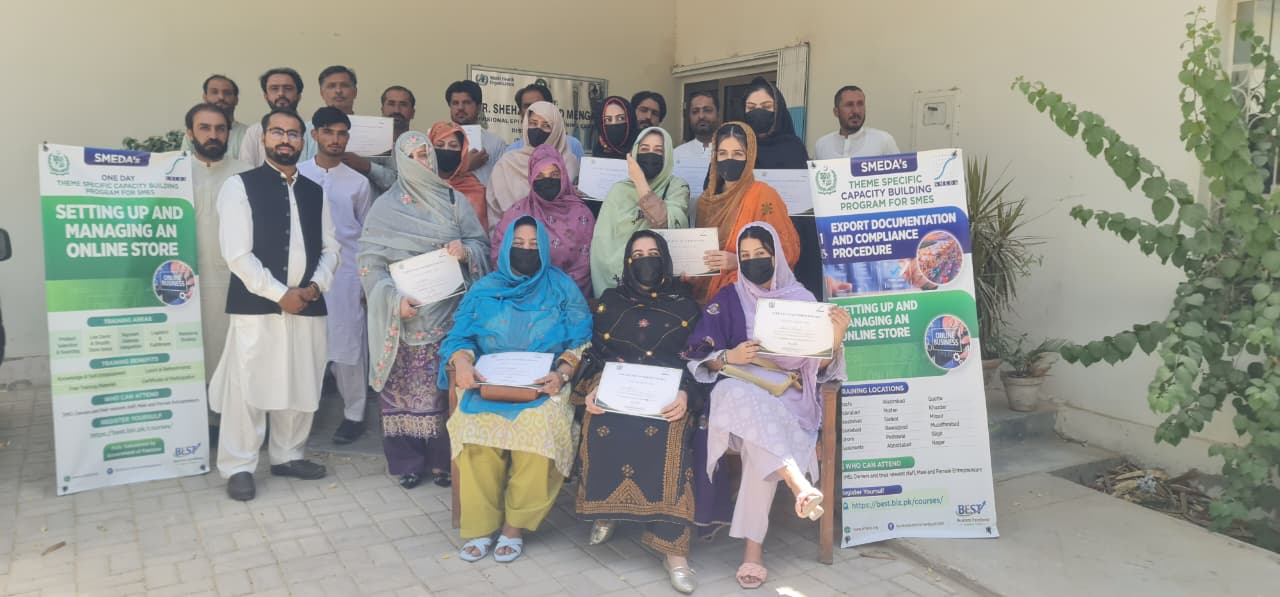
Artisans and business leaders engaged in digital and institutional development activities in Pakistan.
SMEDA training in Balochistan has become a major step toward strengthening Pakistan’s digital economy and empowering local artisans. The program delivered practical skills for setting up and managing online stores.
According to reports, the SMEDA training initiative not only focused on e-commerce tools but also highlighted how small businesses can scale through digital platforms. It also connects broader institutional engagement in Pakistan’s business ecosystem, including leadership discussions at IoBM.
Anthropic Disables AI Models After US Export Control Order
SMEDA Training Empowers Artisans
The SMEDA training session was held at the EPI Resource and Training Center in Khuzdar, Balochistan. It focused on building digital capabilities among artisans and small entrepreneurs.
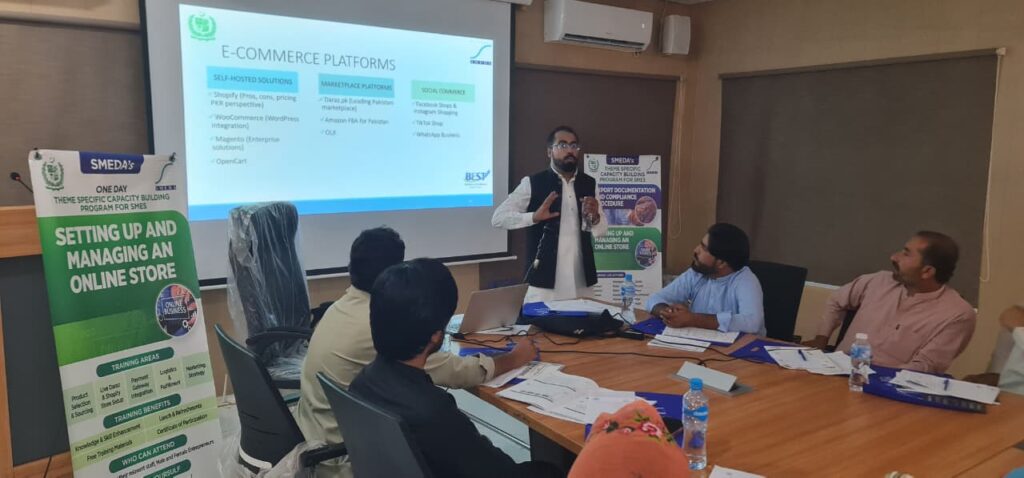
Participants reportedly gained hands-on knowledge of online store setup and management. The training also covered product sourcing, digital marketing, and logistics planning.
In addition, experts explained payment gateway integration and customer engagement strategies. The SMEDA training aimed to bridge the gap between traditional craftsmanship and modern e-commerce.
SMEDA Training Boosts Digital Skills
The SMEDA training initiative emphasized practical learning over theory. Participants worked through real-world examples of online business operations.
According to attendees, the sessions improved their understanding of digital marketplaces significantly. This included tools for scaling handicraft businesses beyond local markets.
Moreover, trainers highlighted long-term growth strategies for sustainable online selling. The SMEDA training was widely appreciated for its structured and applied approach.
Handicraft Sector Digital Expansion
The Handicraft Association of Pakistan praised SMEDA and the Government of Pakistan for their support. Asma Amir, Vice President of the association, expressed gratitude for the initiative.
She stated that the training created new opportunities for artisans and women entrepreneurs. It also helped small businesses understand modern digital commerce systems.
Furthermore, the program is expected to improve export potential for local handicrafts. The SMEDA training is seen as a key step in digital transformation.
IoBM Executive Council Meeting
In a separate development, an Executive Council meeting was held at the Institute of Business Management (IoBM). Distinguished business leaders and academics attended the session.
Participants extended advance birthday greetings to Chancellor Bashir Jan Muhammad. The meeting included figures such as Talib Karim, Muhammad Ali Tabba, Sabina Mohsin, Dr. Tariq Rahim, and Dr. Kashif.
According to reports, the gathering focused on institutional collaboration and leadership engagement. It also reflected strong ties within Pakistan’s academic and business communities.
Leadership and Business Engagement
The IoBM meeting highlighted continued cooperation among business and academic leaders. Discussions reportedly emphasized educational growth and institutional development.
Guests wished Bashir Jan Muhammad continued health and success. The event also reflected Pakistan’s growing focus on leadership-driven education systems.
Meanwhile, the SMEDA training initiative and IoBM engagement both underline national efforts toward capacity building. These developments show increasing alignment between education and economic progress.