World Cup Kits: Africa’s most iconic football shirts ranked by BBC Sport Africa
From Zaire’s bold 1974 design to Nigeria’s neon modern classic, African teams have shaped World Cup fashion history with unforgettable kits.
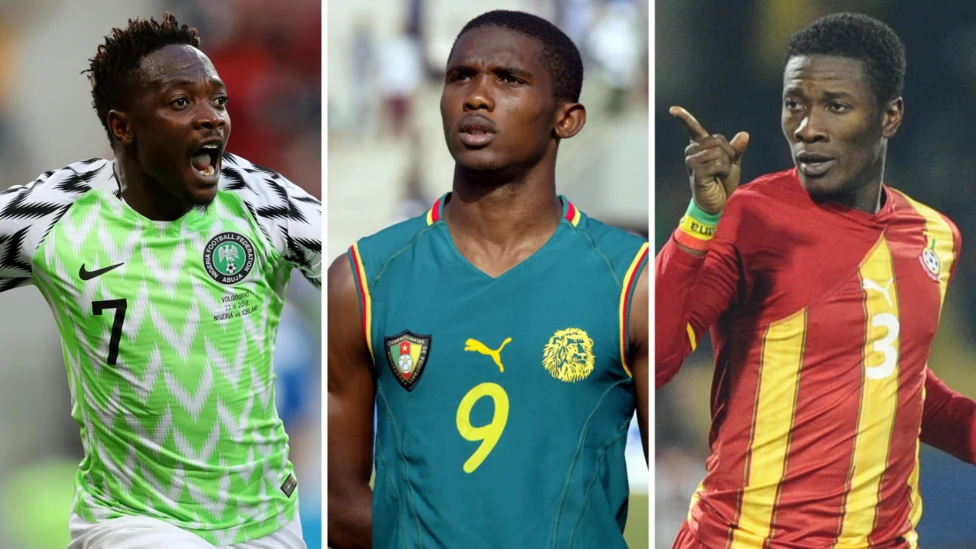
Collage of famous African World Cup football kits including Nigeria, Cameroon, Ghana, Senegal, Algeria, and Zaire jerseys.
The World Cup kits debate is not only about football heritage but also about design, identity, and cultural pride, and African nations have consistently delivered some of the tournament’s most iconic looks. BBC Sport Africa has highlighted ten of the continent’s most memorable shirts that defined different eras of the global tournament.
Across decades, teams from Africa have turned the World Cup stage into a showcase of colour, symbolism, and creativity, with designs that continue to influence football fashion today.
FIFA World Cup has repeatedly provided a global platform where African teams have stood out not only for performances but also for bold visual identity.
Arles night: Van Gogh’s Café Terrace painting reveals how an ordinary square was transformed
One of the earliest examples comes from Zaire in 1974, when a striking green and yellow kit featured the country’s name and the team’s leopard emblem directly on the shirt. The design, unusual for its time, has since become a cult classic despite the team’s difficult tournament campaign.
In 1982, Algeria introduced a white-and-green kit with Arabic script across the chest, reflecting national identity during their first World Cup appearance. The shirt has remained popular among collectors and football fashion enthusiasts.
Cameroon made history in 1990 with a vibrant kit featuring a roaring lion, symbolising strength during their unforgettable run to the quarter-finals in Italy. The design became closely associated with Roger Milla’s iconic celebrations.
Four years later, Nigeria debuted at the 1994 World Cup in a bold patterned away kit that instantly stood out. The shirt became a symbol of Nigeria’s arrival on the global stage, powered by players such as Rashidi Yekini and Daniel Amokachi.
South Africa’s 1998 World Cup kit brought geometric styling and modern design elements, marking the nation’s first appearance at the tournament after its post-apartheid return to international football.
Cameroon’s 2002 sleeveless design sparked controversy after FIFA regulations forced modifications, but it still became one of the most talked-about kits in World Cup history.
Senegal stunned defending champions France in 2002 while wearing a flowing white and green kit that became linked to Papa Bouba Diop’s famous winning goal in Seoul.
In 2010, Ghana wore a bold red-and-gold kit during their dramatic quarter-final run, remembered for Asamoah Gyan’s late penalty miss that denied Africa a historic semi-final place.
Nigeria returned in 2018 with a neon green design that became a global fashion phenomenon, selling out within hours and becoming one of the most popular football shirts in modern history.
Now, Ghana’s 2026-inspired spiderweb-themed kit, influenced by local folklore, continues the tradition of storytelling through design, blending culture with sporting ambition.
From historic triumphs to heartbreak, these kits reflect more than football—they capture identity, creativity, and continental pride on the world stage.