Trump Says Iran Strikes Paused as Diplomatic Push Gains Momentum
The US president says military action has been suspended to allow rapid negotiations, while Iran denies requesting any delay and remains on high alert.
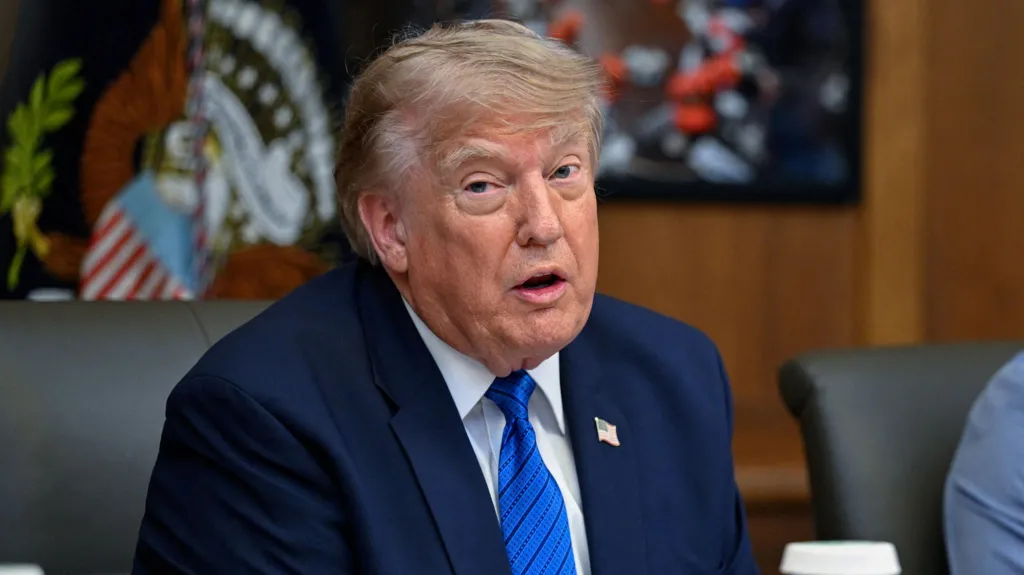
Donald Trump announces a pause in planned military action against Iran as diplomatic efforts continue.
WASHINGTON — Trump Iran tensions entered a new phase after US President Donald Trump said he had cancelled planned military strikes against Iran, provided a diplomatic agreement is reached “rapidly.” The announcement came amid reports that the United States and Israel had been considering a new wave of attacks targeting Iran’s energy infrastructure.
In a post on Truth Social, Trump claimed Iran and several Middle Eastern countries had asked Washington to delay military action because the broad outlines of a possible agreement had already been established. He said the United States remained fully prepared for military action but was giving diplomacy another opportunity.
More than 100 words into the escalating standoff, Trump Iran diplomacy faced an immediate setback as Iran rejected the US president’s account. Iran’s semi-official Mehr News Agency dismissed Trump’s claims that Tehran had requested a delay in military action, calling the statement “nothing but a new lie.” Acting Defence Minister Majid Ibn al-Reza said Iran continued to treat every military threat as “real and credible” and insisted the country would remain fully prepared against any possible attack.
The heightened rhetoric followed reports by CBS News that US and Israeli officials had discussed what could have been one of the most extensive bombing campaigns yet against Iranian energy infrastructure. According to the report, the proposal was discussed during President Trump’s Cabinet meeting on Friday.
Senior Journalists Gather for Dinner at Karachi Press Club’s Ghousha Aafiyat
At the same time, the US government advised American citizens across the Middle East to remain alert and be prepared to leave the region if the security situation deteriorated.
In his social media statement, Trump said the United States was “locked and loaded” with military capabilities unmatched since World War II but argued that suspending military action would benefit both global stability and Iran’s future prosperity if an agreement could be achieved.
The latest developments revive a pattern seen throughout the crisis, in which strong military warnings have repeatedly been followed by renewed diplomatic efforts. Earlier this year, Trump’s threats against Iran were followed by direct negotiations led by Vice President JD Vance, although those talks ultimately ended without an agreement due to fundamental differences between the two sides.
Regional concerns remain high. According to Saudi state media, Saudi Crown Prince Mohammed bin Salman spoke with Trump and stressed the importance of dialogue and de-escalation to prevent further instability in the Middle East.
US allies in the Gulf continue to worry that any wider conflict could expose critical infrastructure in countries such as Bahrain, Jordan and the United Arab Emirates to Iranian missile or drone attacks, even if the US mainland remains beyond Iran’s reach.
The confrontation has intensified since a ceasefire collapsed in June, with the United States targeting Iranian facilities and tightening maritime restrictions, while Iran has responded with missile and drone attacks against US-linked assets and commercial shipping in the Strait of Hormuz, a key global energy route.
Analysts warn that any further escalation could disrupt global oil supplies, increase energy prices and add economic pressure worldwide. The conflict also carries political risks for the Trump administration, with public opinion polls indicating growing concern among Americans over the prospect of a prolonged confrontation with Iran.