Trump And Iran Sign Interim Deal After Pakistan Mediation
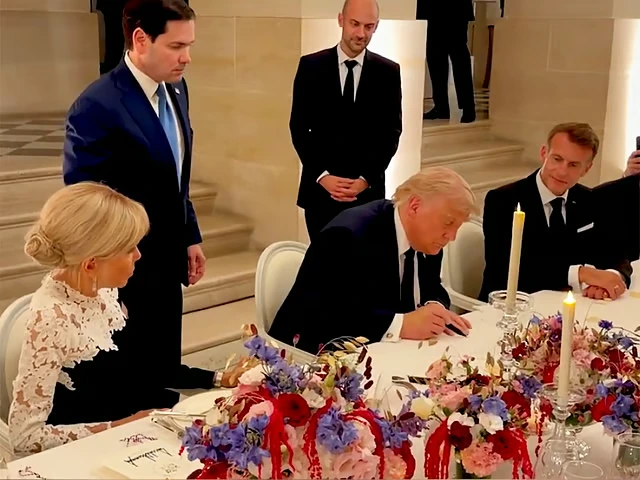
Iran Deal developments moved quickly after the United States and Iran reportedly finalized an interim agreement intended to halt months of military escalation and open a new diplomatic phase.
According to reported terms, the agreement took immediate effect after signatures from US President Donald Trump and Iranian President Masoud Pezeshkian. Pakistan reportedly acted as a mediator during negotiations. The arrangement creates a sixty day period for talks toward a broader settlement.
The agreement reportedly combines temporary security commitments with economic concessions and nuclear-related conditions.
UAE Sets Minimum Social Media Age At 15 Nationwide
Pakistan Mediation Shapes Iran Deal
According to reports, the agreement was formalized through an interim memorandum intended to stop military operations and reopen diplomatic channels.
Reported provisions include temporary sanctions relief that may allow expanded Iranian oil exports while Tehran reportedly accepts limitations connected to enriched uranium discussions during the negotiation period.
Officials also stated that maritime restrictions linked to Iranian ports and shipping routes would be eased gradually under implementation timelines.
Trump And Iran Set Sixty Day Timeline
The agreement reportedly establishes a sixty day negotiation window intended to determine whether a longer-term settlement can be reached.
President Trump described the accord as a diplomatic success while also warning that military pressure could return if negotiations fail to produce a final agreement.
Iranian leadership signaled support for the arrangement while indicating internal differences remain regarding the long-term direction of negotiations.
Observers also noted growing discussion inside Washington about the political costs and strategic implications of the agreement.
Strait Of Hormuz Returns To Focus
Energy markets closely monitored developments because the Strait of Hormuz remains one of the world’s most important shipping corridors.
Reported terms indicate movement toward reopening maritime access and restoring commercial oil activity after disruptions linked to the conflict.
Analysts stated that renewed oil flows could affect energy markets, shipping confidence, and regional economic expectations over the coming weeks.
Regional Reactions Continue Emerging
Regional reactions remain mixed as governments and political groups assess the implications of the interim arrangement.
Reports also pointed to friction between Washington and Israel regarding strategy and expectations during negotiations.
However, officials continue to emphasize that the current framework is temporary and dependent on additional diplomatic progress.
What Happens Next
The next sixty days are expected to determine whether the interim arrangement evolves into a broader agreement or whether tensions return.
Diplomatic channels remain active, and governments involved are expected to continue negotiations while monitoring security conditions across the region.