Maurizio Discovers Therapy Benefits Later Life Challenging Ageing Myths and Mental Health Assumptions
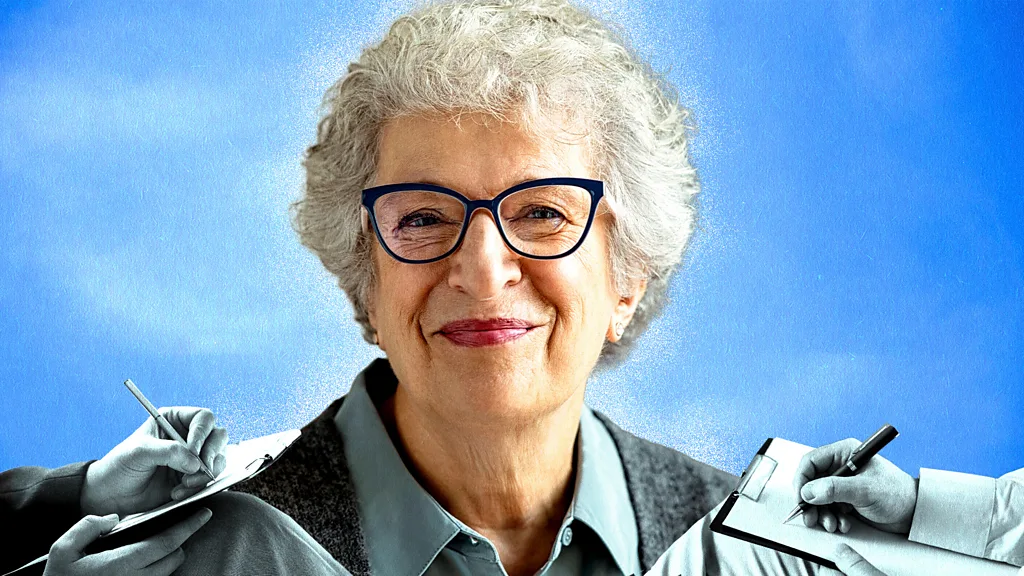
Older adults sharing emotions in a group therapy session showing connection and reflection.
Therapy is often linked with younger people, yet therapy is increasingly helping older adults reshape emotional wellbeing. In later life, therapy supports reflection, healing, and improved mental health outcomes.
Reported experiences from individuals like Maurizio show how therapy can uncover lifelong emotional patterns. Meanwhile, couples like Antonio and Gigliola highlight how therapy can also repair relationships. These stories matter because they challenge the belief that psychological support is only for the young.
Maurizio therapy journey childhood pain
Maurizio began therapy at age 70 while trying to understand migraines he has had since childhood. He reportedly spent years consulting doctors without clear answers.
Over time, therapy shifted his perspective. Instead of searching for one cause, he focused on understanding his life experiences. This process helped him reflect more deeply on emotional and physical pain.
He stated that therapy became a meaningful space for introspection. As a result, he found clarity about his past and present life.
Antonio Gigliola therapy relationship healing
Antonio and Gigliola turned to therapy after years of emotional distance in their marriage. They reportedly faced long-standing tension and unspoken frustrations.
Antonio said he felt emotionally lighter after sessions. Meanwhile, Gigliola explained that therapy allowed them to express feelings they had long avoided.
Their experience shows how therapy can rebuild communication. It also demonstrates that emotional healing can strengthen long-term relationships, even after decades together.
Therapy effectiveness older adults research
Research suggests therapy remains effective across all adult age groups. Experts such as clinical psychologist Pim Cuijpers reportedly found no evidence that therapy becomes less effective in older age.
A 2024 study also found that older adults access therapy less frequently than younger people. However, once they begin, completion rates can be high.
This indicates strong commitment among older participants. It also suggests therapy can support emotional resilience throughout ageing.
Barriers therapy access ageing adults
Despite its benefits, therapy access remains limited for many older adults. Financial constraints and insurance gaps are common barriers.
In some healthcare systems, emotional distress in older people is often viewed as a normal part of ageing. This perception can reduce referrals to therapy services.
Age-related bias may also discourage people from seeking help. As a result, many older adults do not receive therapy even when they show symptoms of anxiety or depression.
Group therapy benefits older wellbeing
Group-based therapy is increasingly seen as effective for older adults. It provides structured social interaction and reduces isolation.
Participants often report improved wellbeing and stronger social engagement. Sharing experiences with peers can make therapy feel more relatable and supportive.
Experts suggest group therapy helps rebuild connection in later life. It also encourages emotional resilience through shared understanding.
Therapy reshapes ageing perspectives
Public perceptions of therapy in later life are slowly changing. Older adults are increasingly seen as capable of emotional growth and transformation.
Experts argue that ageing involves continuous psychological change, not decline. Therefore, therapy supports adaptation to life transitions such as retirement, illness, and social change.
Stories from Maurizio, Antonio, and Gigliola reinforce this shift. Their experiences show that therapy can promote healing and renewal at any age