TDAP Holds Multan Seminar on Aflatoxin and Rice Export Standards
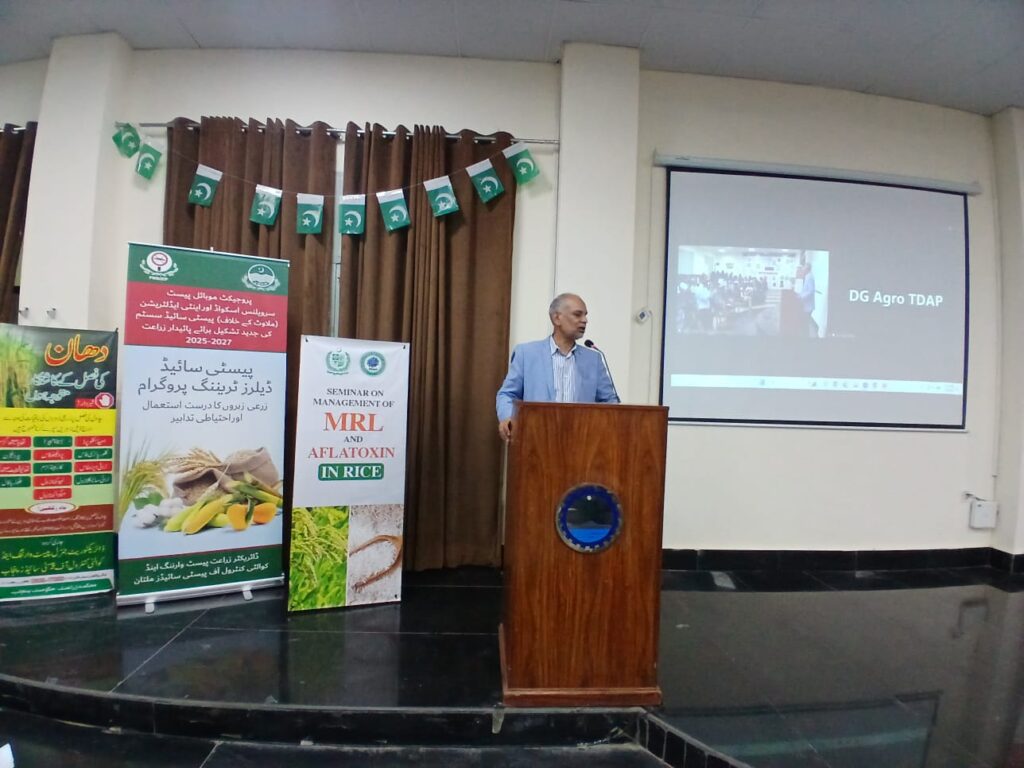
TDAP officials and rice industry stakeholders attend an awareness seminar on aflatoxin and MRL management in Multan
The Trade Development Authority of Pakistan (TDAP) held an awareness seminar in Multan on aflatoxin control and Maximum Residue Limits (MRLs) in rice.
TDAP organised the session with the Pest Warning and Quality Control of Pesticides Wing of the Agriculture Department, Government of Punjab. The initiative focuses on improving food safety and quality across Pakistan’s rice value chain.
Third Awareness Session in Punjab
The Multan seminar marked the third session in TDAP’s ongoing awareness series. The programme targets major rice-producing districts across Punjab.
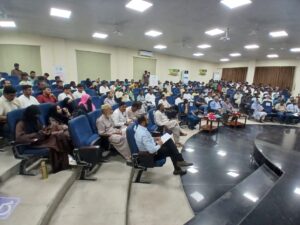
Around 150 participants attended the event at the auditorium of MNS University. Farmers, rice growers, exporters, millers and agriculture extension officers joined the session.
The gathering gave industry stakeholders an opportunity to discuss export requirements with technical experts. Participants also received practical guidance on meeting international food safety standards.
Experts Highlight Aflatoxin Prevention
Representatives from the Agriculture Department, Rice Research Institute Bahawalnagar, Department of Plant Protection (DPP) and TDAP’s consultant delivered technical presentations.
A major part of the discussion focused on preventing aflatoxin contamination. Experts highlighted proper drying, safe storage and careful handling of rice after harvest.
KMEDA Efforts Help Recover Customs-Held Mobile Phones
These practices can help reduce contamination risks. Better post-harvest management can also protect the quality of rice destined for export markets.
Pesticide Use and MRL Compliance
Speakers also stressed the need for responsible pesticide use. Farmers and other stakeholders must follow recommended application practices to keep pesticide residues within permitted limits.
Importing countries set their own Maximum Residue Limits for agricultural products. Therefore, exporters need to meet these requirements to avoid problems with international consignments.
Traceability Can Strengthen Rice Exports
The speakers also highlighted the growing importance of traceability and certification. Strong quality assurance systems can help exporters demonstrate compliance with international standards.
Moreover, better controls can reduce the risk of shipment rejections. They can also strengthen the reputation and competitiveness of Pakistani rice in global markets.
TDAP Seeks Stronger Industry Capacity
The seminar forms part of TDAP’s wider efforts to build capacity across Pakistan’s rice sector. Through these programmes, the authority aims to help farmers, processors and exporters respond to changing food safety requirements.
Participants welcomed the initiative and interacted directly with technical specialists. They also discussed challenges linked to rice production, quality management and export compliance.
TDAP plans to continue such awareness activities to support stakeholders across the rice value chain. The broader objective remains improving food safety, export quality and Pakistan’s position in international rice markets.