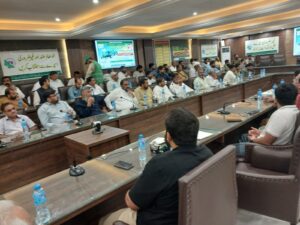
TDAP Holds Gujranwala Seminar on Aflatoxin Prevention and Rice Export Standards
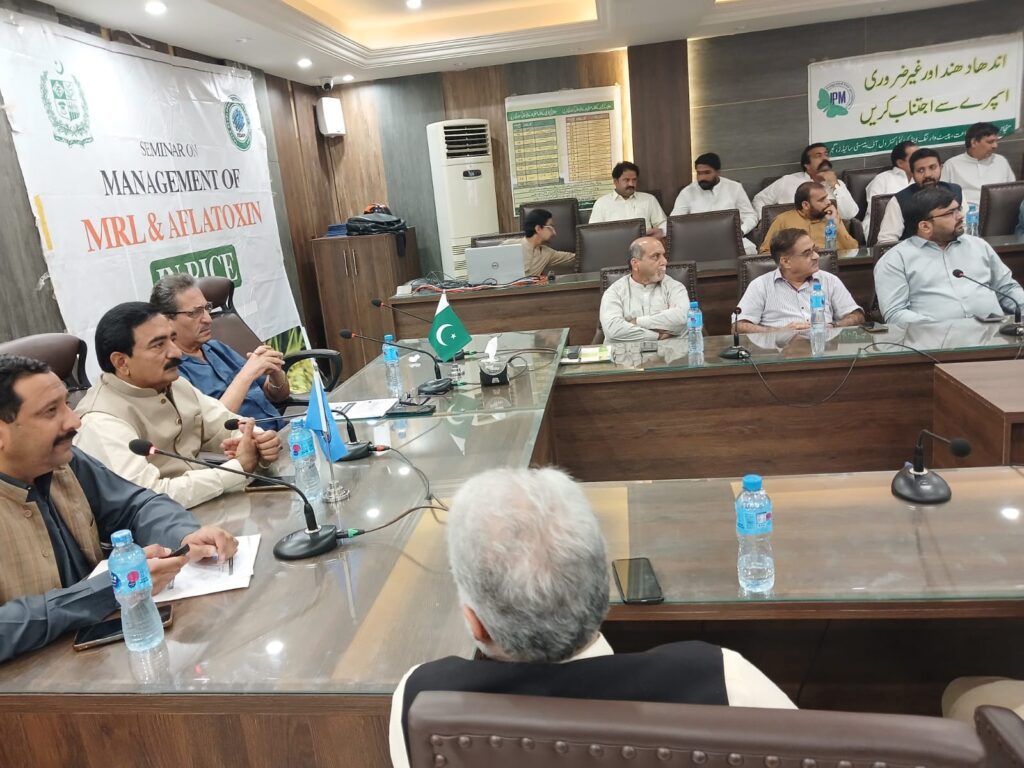
TDAP holds an awareness seminar in Gujranwala on aflatoxin prevention and pesticide residue compliance.
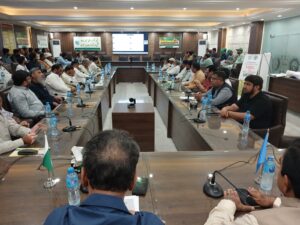
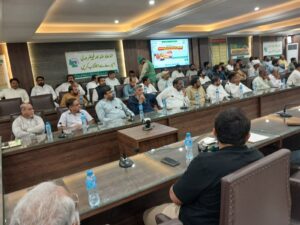
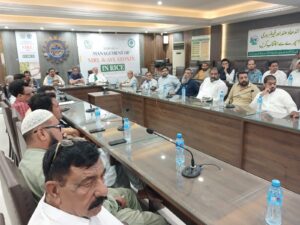
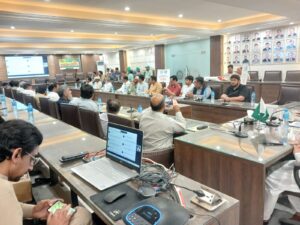
The Trade Development Authority of Pakistan (TDAP) held an awareness seminar in Gujranwala to promote aflatoxin prevention and compliance with pesticide residue limits across the rice sector.
TDAP organised the session in partnership with the Pest Warning and Quality Control of Pesticides Wing of the Agriculture Department, Government of Punjab.
The programme focused on food safety, quality management and compliance with international standards. It formed the fifth session in a series of awareness programmes being held across major rice-producing districts of Punjab.
Rice Stakeholders Attend Awareness Session
Around 129 participants attended the seminar at the auditorium of the Gujranwala Chamber of Commerce.
The participants included rice growers, farmers, millers and exporters. Agriculture extension officers and other representatives from the rice industry also joined the session.
Technical experts shared guidance on aflatoxin control, pesticide management and international food safety requirements.
Representatives from the Agriculture Department, Rice Research Institute Kala Shah Kaku (KSK), Department of Plant Protection (DPP) and TDAP’s consultant also contributed to the discussions.
Experts Explain Aflatoxin Prevention
During the seminar, experts outlined practical steps to prevent aflatoxin contamination in rice.
Particular attention went to harvesting and drying practices. Speakers also highlighted hygienic handling and safe storage conditions.
Effective post-harvest management remains critical for maintaining rice quality. Proper handling can also reduce contamination risks that may affect the marketability of export consignments.
Pesticide Residue Compliance Remains Key
The session also addressed the responsible and judicious use of pesticides.
Experts explained the importance of meeting Maximum Residue Limits (MRLs) set by importing countries. Exporters that fail to meet destination-market requirements can face serious challenges, including the possible rejection of consignments.
ICMA Backs SBP’s 11.5% Policy Rate Amid Rising Inflation
For Pakistani rice exporters, compliance therefore remains an important part of maintaining access to international markets.
Traceability Can Strengthen Rice Exports
Speakers also called for stronger traceability across the rice supply chain.
Reliable certification and effective quality assurance systems can help exporters meet international buyer requirements. Moreover, these measures can reduce food safety risks and improve confidence in Pakistani rice.
Better compliance could also strengthen Pakistan’s position in global rice markets.
REAP Representative Highlights Food Safety
Sami Ullah Naeem of the Rice Exporters Association of Pakistan (REAP) also attended the seminar.
He stressed the importance of effective aflatoxin management and compliance with MRL requirements. According to him, these measures are essential for maintaining food safety and protecting the quality and export standards of Pakistani rice.
TDAP Supports International Market Access
The Gujranwala seminar forms part of TDAP’s broader awareness programme for Pakistan’s rice sector.
By improving knowledge among growers, processors and exporters, the initiative seeks to strengthen quality practices throughout the rice value chain.
At the same time, greater compliance with international food safety requirements can help reduce export risks. It can also support Pakistan’s efforts to expand and sustain its presence in global rice markets.