Oil Prices Ease as Middle East Exports Rise and G7 Releases Reserves
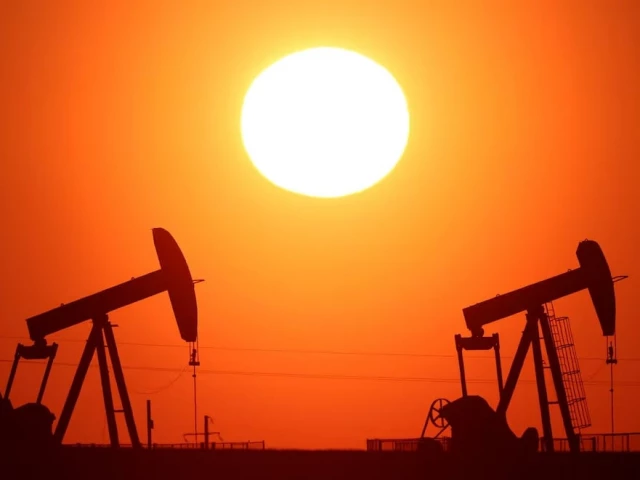
Oil prices ease as G7 reserve releases boost global supply.
Oil prices eased on Monday as rising Middle East exports improved supply prospects. A planned release of emergency stocks by G7 nations also reduced immediate supply concerns.
Brent crude later traded near $102.30 a barrel. US West Texas Intermediate (WTI) stood around $90.62. Both benchmarks had fallen earlier in the session.
The G7 agreed on Friday to release 100 million barrels of crude and diesel from emergency reserves. The coordinated release will begin immediately and continue for four months.
A large portion of the diesel supply will enter the market within the first 20 days. The move aims to ease pressure on global energy markets.
Middle East Exports Support Supply
The planned release comes as Middle East crude exports recover.
Shipping data showed that regional exports exceeded pre-war levels on four days during the final week of September. The increase came despite attacks on vessels using the Strait of Hormuz.
Tim Waterer, chief analyst at KCM Trade, said the G7 decision had reduced immediate supply concerns.
PSX Falls Nearly 2,000 Points as Political Uncertainty Hits Sentiment
He also pointed to higher Saudi export volumes. However, shipping costs remain elevated because of regional security risks.
Oil prices therefore remain under pressure from rising supply. At the same time, traders continue to watch developments around Gulf energy infrastructure.
Yemen Conflict Adds to Market Risk
The oil market remains sensitive to developments in Yemen.
The Houthis claimed they launched ballistic missiles and drones at Saudi Aramco sites in Riyadh and the Khurais area. The group said the attacks came in response to Saudi-led strikes in Yemen.
Saudi Arabia has not confirmed the Houthi claim.
Yemen’s internationally recognised government also announced a major military campaign against the Houthis. The government said it aims to retake territory controlled by the group.
Meanwhile, Saudi Aramco unexpectedly cut its November crude prices for Asian buyers. The reduction took its prices to six-year lows.
Oil Remains Above $100
Despite the recent decline, Brent remains above $100 a barrel.
ING analysts said geopolitical tensions continue to support prices. Attacks on commercial vessels have also increased risks around key shipping routes.
The Strait of Hormuz remains especially important for global energy supplies. Disruptions there can quickly affect shipping costs and crude flows.
Reuters reported that crude exports through the Strait have recovered to about 80% of pre-war levels. However, transport costs remain much higher than before the conflict.
Shipping disruptions have also pushed up insurance and freight costs. These higher costs continue to keep pressure on the global oil market.
OPEC+ Delays 2027 Capacity Review
OPEC+ has also faced uncertainty over future production.
The group agreed to keep November output targets unchanged. However, its review of members’ capacity has been delayed by the Iran conflict.
The delay has complicated estimates for future production capacity. Regional disruptions have also affected expansion projects.
Meanwhile, Ukraine plans to increase attacks on Russian oil refineries, according to President Volodymyr Zelenskiy.
The developments add another layer of uncertainty to an already volatile global energy market.