ICMA Backs SBP’s 11.5% Policy Rate Amid Rising Inflation
ICMA supports SBP’s decision to maintain the policy rate at 11.5%.
The State Bank of Pakistan (SBP) has kept its policy rate unchanged at 11.5%, as inflation, global commodity prices and geopolitical risks continue to pressure the economy.
The decision came at the Monetary Policy Committee meeting on September 14, 2026. The Institute of Cost and Management Accountants of Pakistan (ICMA) has described the decision as appropriate.
According to ICMA’s latest Monetary Policy Review, current inflationary pressures increasingly stem from supply-side factors. Headline inflation climbed to 11.1% in August, up from 9.2% in July 2026.
Pakistan Shows Stronger Supply Shock Resilience
ICMA’s review highlights its Supply Shock Resilience Index (SSRI) as a key measure of Pakistan’s external resilience.
The SSRI reached 0.65 in July 2026, placing Pakistan in the High Resilience category. By comparison, the country recorded weak resilience levels during 2022–23.
However, ICMA cautioned that the improvement remains uneven. Exchange-rate stability currently provides the strongest buffer against external shocks.
Other areas show only moderate resilience. These include foreign-exchange reserve adequacy, export coverage, remittance coverage and food-import resilience.
Rate Hikes May Not Be Needed Immediately
ICMA believes stronger resilience gives Pakistan some capacity to absorb temporary supply shocks without immediately tightening monetary policy.
SBP Concludes First Regulatory Sandbox Cohort After Testing Four Fintech Solutions
However, that room could narrow if external pressures become persistent. Further policy action may become necessary if inflation remains elevated or exchange-rate stability comes under sustained pressure.
The review therefore supports a cautious approach to monetary policy. At the same time, ICMA stresses the need for reforms beyond interest rates.
Business Leaders Call for Gradual Rate Cuts
Several business leaders shared their views with ICMA’s Research & Publications Department.
Asfandyar Farrukh, Chairman of the Chainstore Association of Pakistan, called the SBP decision appropriate. He also urged gradual rate cuts alongside fiscal, tax and energy reforms.
Usman Shaukat, President of the Rawalpindi Chamber of Commerce & Industry, described the decision as prudent. However, he noted that high financing costs continue to restrict investment and place pressure on small and medium-sized enterprises.
Meanwhile, Zulfiqar Alam, CEO of Pakistan Housing Finance Company Limited, viewed the decision as a cautious pause. He said supply-driven inflation limits the effectiveness of additional rate increases.
Dr. Imran Batada, President and CEO of the Pakistan Freelancers Association, said improving external conditions reduce the need for an immediate policy response. Nevertheless, he pointed to high borrowing costs as a constraint on SMEs, technology investment and freelance businesses.
Faisal Sharif, Director for the South Asia Region at GAC Group, said the decision was broadly expected. He described it as a measured response to higher global fuel prices and continuing Middle East tensions.
FPCCI Calls Rate Highly Contractionary
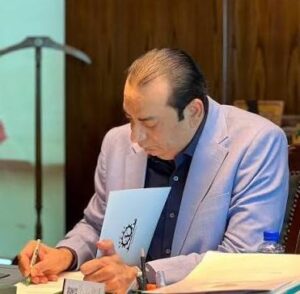
Atif Ikram Sheikh, President of the Federation of Pakistan Chambers of Commerce and Industry (FPCCI), took a stronger position.
He described the 11.5% policy rate as highly contractionary. Sheikh called for a move toward a single-digit policy rate to reduce financing costs.
According to his view, lower borrowing costs could support industrial activity and strengthen Pakistan’s export sector.
Private Credit Shows Signs of Recovery
ICMA also pointed to signs of improving economic activity during July.
Private-sector credit increased by 13.4%, indicating stronger financing activity across the economy. The improvement comes as businesses continue to navigate elevated borrowing costs and external pressures.
Even so, ICMA warned that Pakistan remains exposed to external vulnerabilities.
Stronger Buffers Needed
The review calls for stronger foreign-exchange buffers to protect the economy against future shocks.
ICMA also highlighted the need to increase export and remittance inflows. Better management of food and energy supplies remains another priority.
Furthermore, the institute stressed the importance of diversifying critical imports. Such measures could reduce exposure to sudden disruptions in international markets.
Monetary Policy Must Work With Reforms
ICMA considers the 11.5% policy rate a cautious balance between controlling inflation and supporting economic recovery.
However, monetary policy alone cannot address supply-driven inflation. Targeted supply-side measures will also play a key role in strengthening Pakistan’s economic resilience.
Overall, ICMA believes the improved resilience provides some policy space. Yet sustained inflation or renewed exchange-rate pressure could still require action from policymakers.