FPCCI Raises Alarm Over 15% Rise in Pakistan Trade Deficit
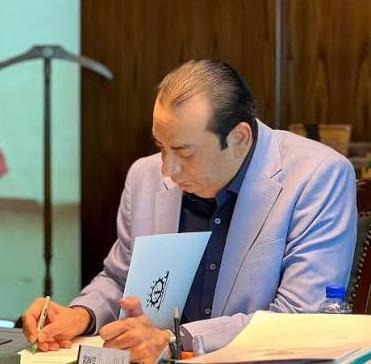
FPCCI President Atif Ikram Sheikh raises concerns over Pakistan’s widening trade deficit.
The Federation of Pakistan Chambers of Commerce and Industry (FPCCI) has raised concerns over the sharp increase in Pakistan’s trade deficit during the first quarter of FY2026-27.
FPCCI President Atif Ikram Sheikh said the widening trade gap could increase pressure on foreign exchange reserves. He called for immediate measures to strengthen exports and industrial competitiveness.
According to Pakistan Bureau of Statistics (PBS) data cited by FPCCI, the trade deficit reached $10.792 billion during July-September 2026. That represents a 15.13% increase from $9.374 billion in the same period last year.
Trade Deficit Rises in September
The trade gap also increased in September alone. FPCCI said the deficit reached $3.55 billion, up 6.15% from $3.35 billion in September 2025.
Sheikh said the rising deficit reflects the high cost of doing business in Pakistan. He warned that these costs continue to weaken the competitiveness of local manufacturers.
He identified high interest rates, electricity capacity charges and petroleum levies as major barriers to industrial growth.
Riphah Strengthens Pakistan-Türkiye Higher Education Ties
According to the FPCCI president, these pressures limit productivity and discourage investment in value-added production.
FPCCI Seeks Lower Interest Rates
Sheikh urged the Ministry of Finance and State Bank of Pakistan to take steps to reduce the policy rate to single digits.
He said cheaper financing would help manufacturers access working capital. It could also support industrial production and protect export targets for FY2026-27.
The FPCCI president also called for immediate changes to electricity and gas tariffs. He said energy costs should become more competitive with those faced by manufacturers in regional markets.
Business Body Calls for Logistics Relief
FPCCI also urged the government to provide targeted relief on inland logistics.
Lower transport and supply-chain costs could improve the competitiveness of Pakistani products, Sheikh said.
He warned that continued reliance on imports could increase pressure on the national economy. He also cautioned that delays in structural reforms could worsen balance-of-payments pressures.
FPCCI said coordinated action on financing, energy prices and logistics is necessary to support manufacturers and strengthen Pakistan’s export base.