Ray-Ban Meta AI Glasses Show Smart Glasses Travel Pros And Cons
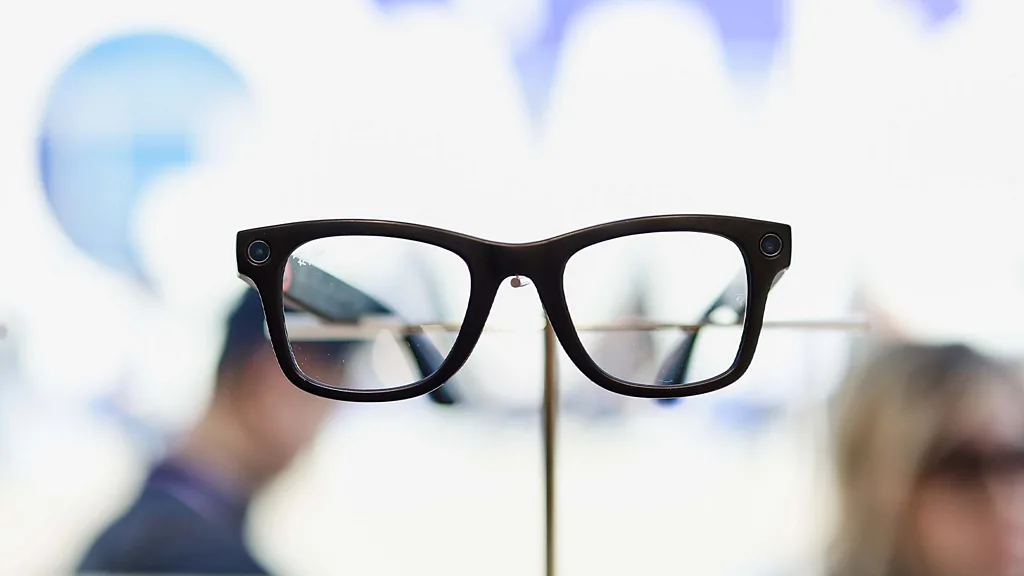
Traveler wearing smart glasses in a modern city while using AI-powered navigation and translation features.
The smart glasses experience is reshaping how people travel in modern cities. These devices combine AI assistance, translation, and navigation in a wearable format.
The smart glasses promise convenience, but they also raise questions about accuracy, privacy, and how travelers interact with real-world experiences.
Ray-Ban Meta AI Glasses Travel Use
Ray-Ban Meta AI glasses represent one of the most advanced smart glasses currently available for consumers.
The device integrates cameras, speakers, and AI voice assistance. It helps users translate menus, identify landmarks, and navigate cities hands-free.
However, performance varies depending on context. Some answers are accurate, while others show inconsistencies in basic factual data.
Despite this, the device is widely marketed as a travel assistant. It aims to replace multiple apps with a single wearable experience.
For more: Strength Training Benefits Explained How To Get Stronger Daily Routine
Meta Smart Glasses Technology
Meta Platforms is leading the smart glasses market with rapid adoption growth.
The company claims millions of units have already been sold globally. It positions the product as a future replacement for smartphones in some use cases.
However, concerns remain about data collection and AI reliability. Users may not always know how information is sourced or verified.
This creates uncertainty when using smart glasses for critical travel decisions.
Apple Google Smart Glasses Race
Apple is reportedly developing its own smart glasses to compete in the wearable AI space.
Google has also invested heavily in augmented reality and wearable assistants.
Samsung is exploring similar AI-driven wearable devices for future consumer use.
The competition signals a major shift in personal technology. Companies aim to integrate AI directly into everyday vision and communication.
Smart Glasses Travel Benefits Limits
The smart glasses offer clear travel advantages such as translation, navigation, and instant information access.
They reduce dependency on smartphones during movement. Users can receive voice guidance while keeping their eyes on surroundings.
However, limitations remain in camera control and object recognition accuracy. Some outputs may be vague or incorrect.
This creates a balance between convenience and reliability that travelers must evaluate carefully.
Smart Glasses Privacy Concerns
The smart glasses also introduce significant privacy concerns in public environments.
Built-in cameras can record without clear social awareness. This raises ethical questions about consent in shared spaces.
Additionally, voice data may be stored and processed for machine learning improvements. This creates uncertainty around long-term data usage.
As a result, many users feel cautious about wearing them in crowded or sensitive locations.
Smart Glasses Travel Verdict
The smart glasses provide strong utility for translation-heavy or complex travel environments. They can simplify communication and navigation significantly.
However, they may reduce spontaneous human interaction and exploration. Travelers risk relying too heavily on automated guidance.
For familiar destinations, the benefits may not outweigh the trade-offs. In contrast, international travel with language barriers may see higher value.
Ultimately, smart glasses represent a shift in travel behavior. Convenience increases, but so does dependence on AI systems.