
Pakistan Tightens Foreign Media Rules as New Reporting Restrictions Draw Press Freedom Concerns
New government guidelines require foreign journalists and contributors to obtain permission before reporting outside three major cities, prompting criticism from media organisations and press freedom advocates.
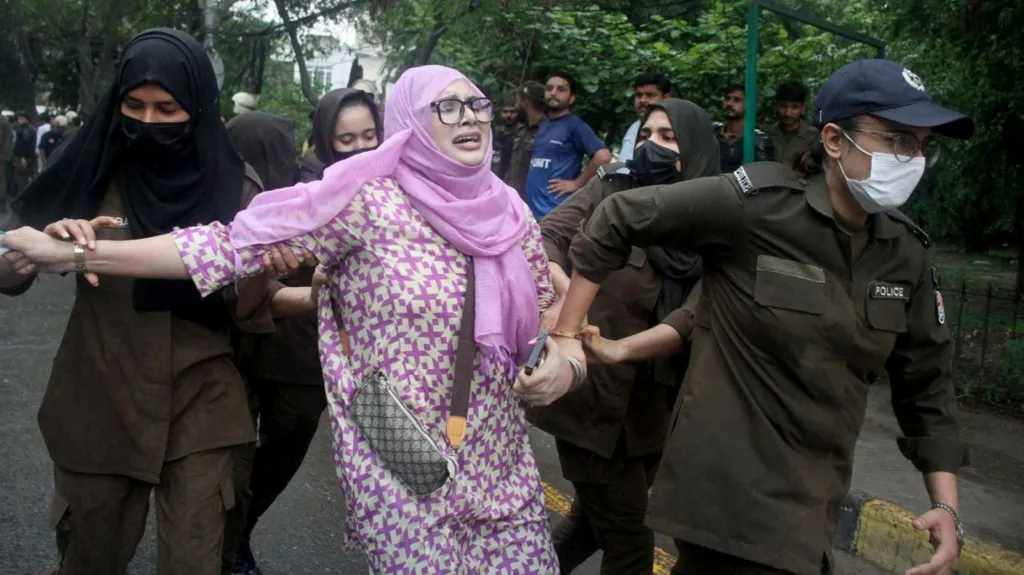
Foreign journalists face new reporting restrictions under Pakistan's latest media guidelines.
Pakistan has introduced new restrictions on Foreign Media, requiring journalists working for international news organisations to obtain official permission before reporting from most parts of the country. The move has triggered concern among press freedom advocates, who argue that the rules could make independent reporting more difficult.
Under the new Foreign Media Facilitation Guidelines 2026, journalists working for overseas media outlets, including Pakistani nationals and freelance contributors, can report freely only in Islamabad, Karachi and Lahore. Anyone planning to cover events elsewhere must first secure a No Objection Certificate (NOC) from the authorities.
Ultra-Processed Foods Are Everywhere — Six Easy Homemade Swaps for a Healthier Diet
The policy has raised concerns because it does not specify how long officials may take to approve requests. In the past, foreign journalists have often waited weeks or even months for NOCs, while some applications reportedly received no response. Media groups warn that such delays could prevent timely reporting of major events.
Around 100 words into the debate, Foreign Media organisations say the new rules will make it harder to verify information from many regions of Pakistan. International outlets often rely on Pakistani reporters and freelancers based in cities such as Peshawar and Quetta to cover breaking news. Under the new guidelines, those contributors must also obtain permission before reporting outside the three designated cities.
Political commentator Mustafa Nawaz Khokhar criticised the measures, saying they further reduce the space available for independent journalism. He argued that international media often provide reporting that the public views as more independent, adding that greater restrictions could encourage misinformation and make fact-based reporting more difficult.
Veteran journalist and Dawn editor Zaffar Abbas also condemned the policy. He said he had never witnessed such travel restrictions during more than four decades in journalism, including periods under military and civilian governments. According to Abbas, requiring permission for travel outside the country’s three largest cities limits both freedom of movement and press freedom.
The federal government rejected claims that it is restricting journalism. Officials said the guidelines are designed to create an administrative system that verifies media organisations, facilitates access and improves coordination between foreign journalists and government departments. Authorities also said the rules do not amount to a blanket ban on movement.
The guidelines state that journalists could lose their accreditation if they engage in activities considered harmful to Pakistan’s ideology, sovereignty, national security or public order. Critics argue that these terms are broad and could be interpreted in different ways, raising concerns about their possible use against independent reporting.
Legal experts have also questioned the policy. Supreme Court lawyer Salahuddin Ahmed said the guidelines are executive instructions rather than legislation approved by parliament. He argued that the government’s internal rules of business cannot impose legal obligations on journalists or media organisations without statutory support.
The restrictions have attracted particular attention because of recent unrest in Pakistan-administered Kashmir. Foreign media organisations reportedly received official instructions ordering journalists already in the region to leave immediately and apply for fresh permission before continuing their reporting.
Pakistan-administered Kashmir has witnessed weeks of violent protests, deadly clashes and local elections that some groups have boycotted. Internet restrictions in the region have already made independent verification of events more difficult, increasing the importance of on-the-ground reporting by international news organisations.
Media representatives and the Pakistan Federal Union of Journalists are seeking a meeting with the information minister to discuss the guidelines. Press freedom groups say they hope the government will reconsider the restrictions and ensure journalists can report freely while respecting national security requirements.