Pakistan-Bangladesh Trade Could Reach Billions, Says High Commissioner
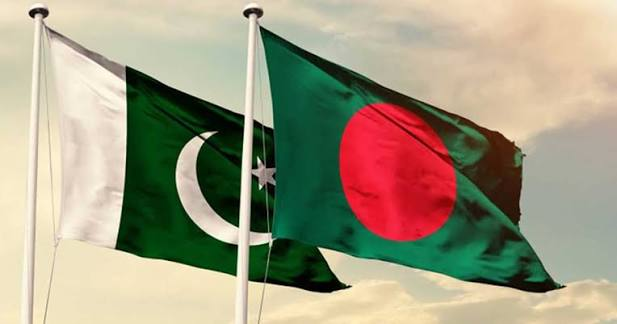
Pakistan and Bangladesh explore ways to expand bilateral trade and strengthen business cooperation.
Pakistan and Bangladesh could significantly expand their bilateral trade, which currently stands at around $1 billion, Bangladesh High Commissioner Md Iqbal Hussain Khan said. He called for better connectivity, fewer trade barriers and stronger business engagement to unlock trade worth several billion dollars.
Speaking at the Lahore Chamber of Commerce and Industry (LCCI), Khan identified agriculture, textiles, pharmaceuticals, engineering, food processing, chemicals, minerals, education, healthcare and tourism as promising areas for cooperation. Honorary Consul of Bangladesh Qazi Humayun Fareed also attended the meeting, according to an LCCI statement issued on Friday.
Agriculture and Manufacturing Offer Trade Opportunities
Khan said Bangladesh could increase imports of Pakistani maize, rice, basmati rice, textile raw materials, chemicals, minerals and manufactured goods. Sugar, wheat, cereals and spices could also create opportunities for bilateral trade.
He noted that Bangladeshi pineapples had started reaching Pakistan following the necessary clearances. Seasonal fruits, agricultural produce and jaggery could further diversify trade between the two countries.
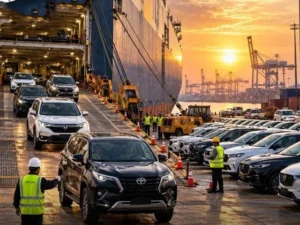
PAAPAM Urges PM Shehbaz Sharif to Review Auto Policy 2026–31
Both countries could also expand cooperation in pharmaceuticals, textile machinery, engineering and food processing. Business partnerships in these sectors could help companies explore new markets and strengthen commercial ties.
High Commissioner Calls for Better Connectivity
Khan stressed the need to simplify business visas, improve e-visa procedures and strengthen direct air links. He said better travel and transport connections would make it easier for business communities to develop partnerships.
He also highlighted the strategic value of closer economic relations. Pakistan could serve as a gateway to Central Asia, while Bangladesh could offer access to Southeast Asian markets.
Education, healthcare and tourism also present opportunities for collaboration. Khan noted that more than 100 Bangladeshi students currently study at private universities in Pakistan. He identified scholarships, medical tourism and broader tourism exchanges as areas for further cooperation.
LCCI Proposes Dedicated Trade Initiative
LCCI President Ali Hussam Asghar proposed establishing a dedicated Bangladesh trade cell under the chamber’s senior vice president. The proposed unit would coordinate bilateral business activities and help turn discussions into practical outcomes.
Asghar suggested identifying five priority export sectors and building formal links with a leading chamber in Dhaka or Chittagong. He also proposed holding two to three virtual business-to-business meetings before arranging sector-specific discussions, trade delegations and reciprocal business visits.
He invited Bangladeshi entrepreneurs to explore partnerships in Lahore. He stressed that both countries should move beyond dialogue and adopt a results-driven strategy with measurable targets.
LCCI Calls for $2 Billion Trade Target
LCCI Senior Vice President Sardar Usman Ghani urged both countries to reverse the downward trend in bilateral trade. He called for raising the current trade volume to at least $2 billion.
Ghani identified pharmaceuticals, textiles, textile machinery, rice, cement, agriculture, food processing, information technology, engineering, light manufacturing and services as potential growth sectors.
He also called for joint ventures and investment partnerships. Better shipping links, simpler customs procedures, streamlined documentation and improved market intelligence could help businesses overcome existing barriers.
The meeting highlighted the scope for stronger economic cooperation between Pakistan and Bangladesh. Business leaders stressed that improved connectivity, targeted sectoral engagement and practical initiatives could help both countries move towards their trade potential.