Operation Nijat-e-Mehran Restores State Writ in Sindh’s Katcha Areas: IGP Sindh
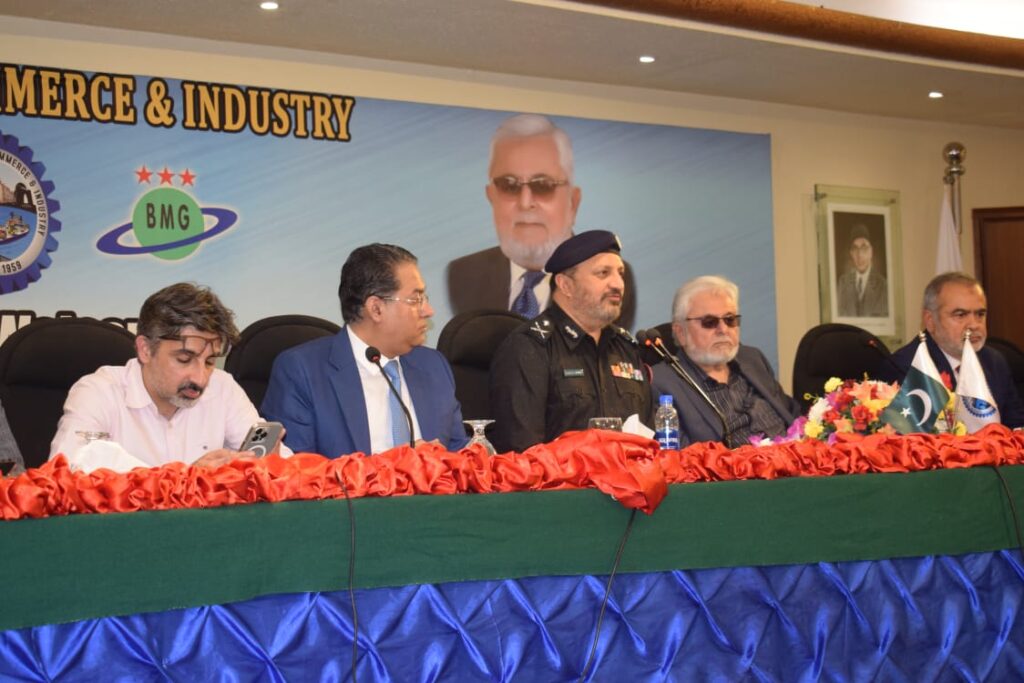
Web Desk May 19, 2026Jawed Alam Odho said the ongoing “Operation Nijat-e-Mehran” has successfully restored the writ of the state in Sindh’s katcha areas and improved security on key trade and transport routes.
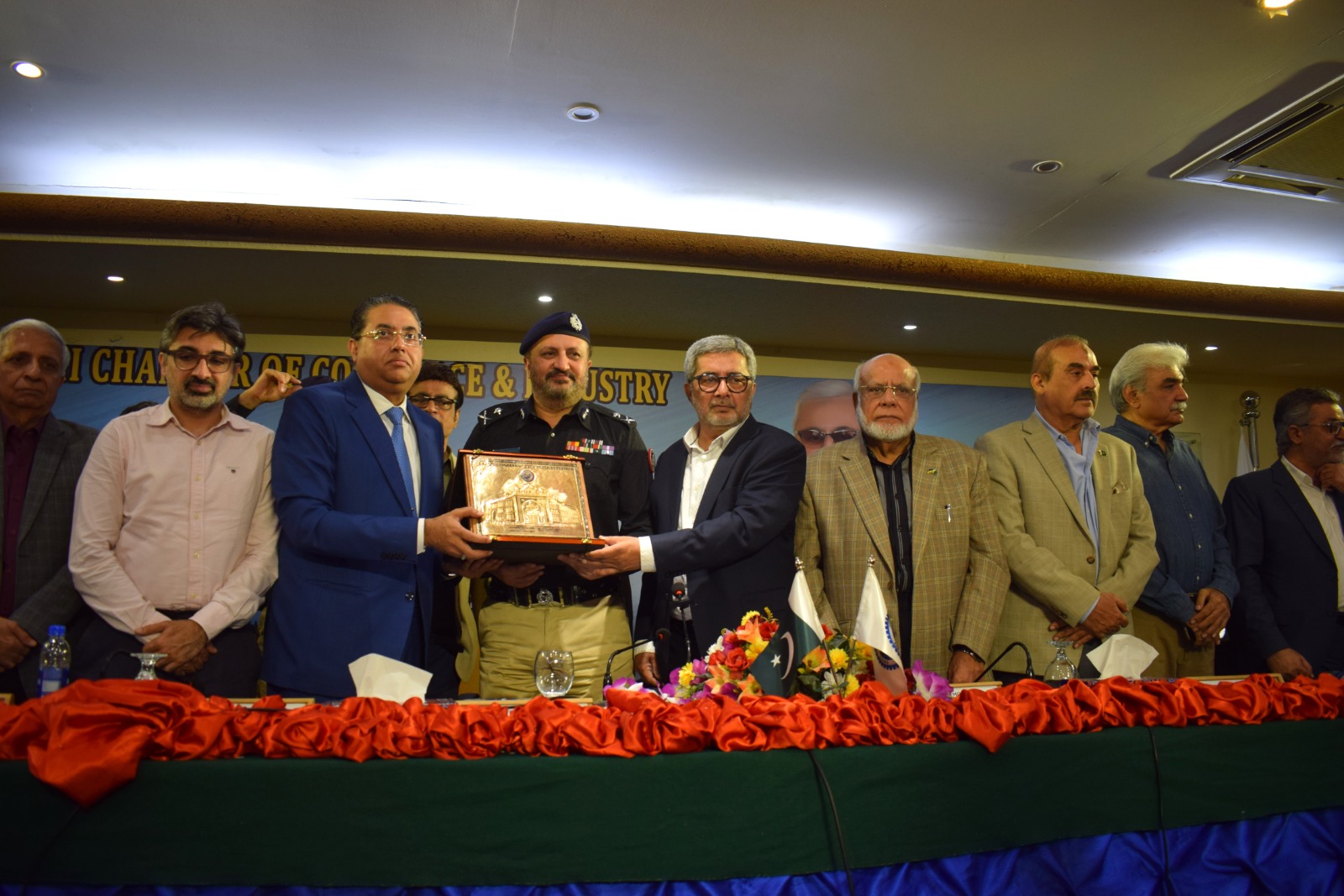
Jawed Alam Odho said the ongoing “Operation Nijat-e-Mehran” has successfully restored the writ of the state in Sindh’s katcha areas and improved security on key trade and transport routes.
International Museum Day Celebrated at Quaid-e-Azam House Museum in Karachi
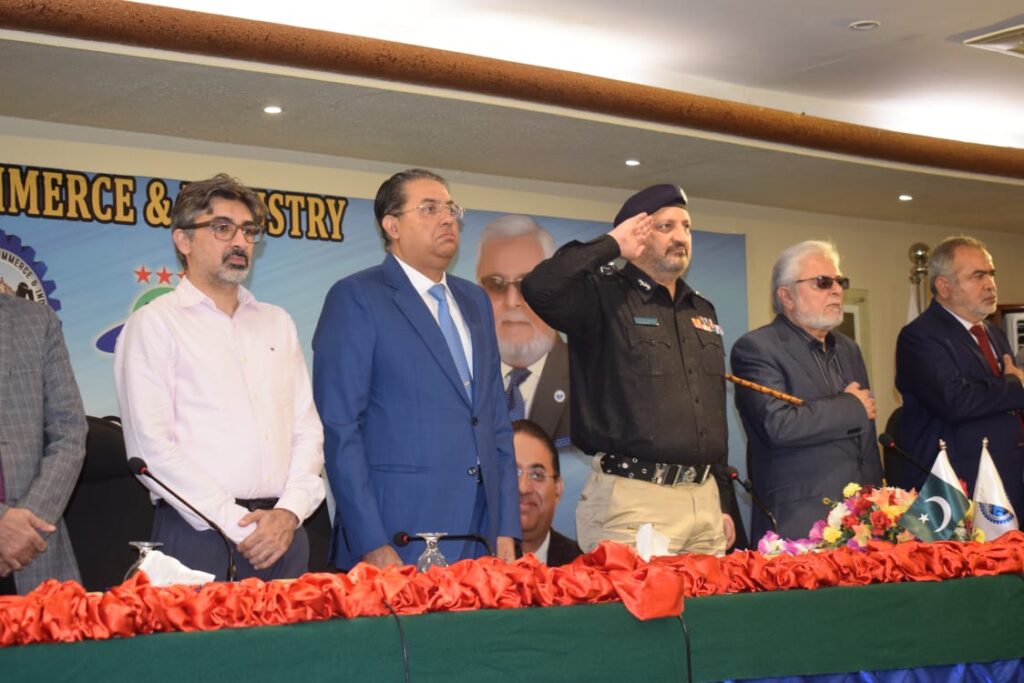
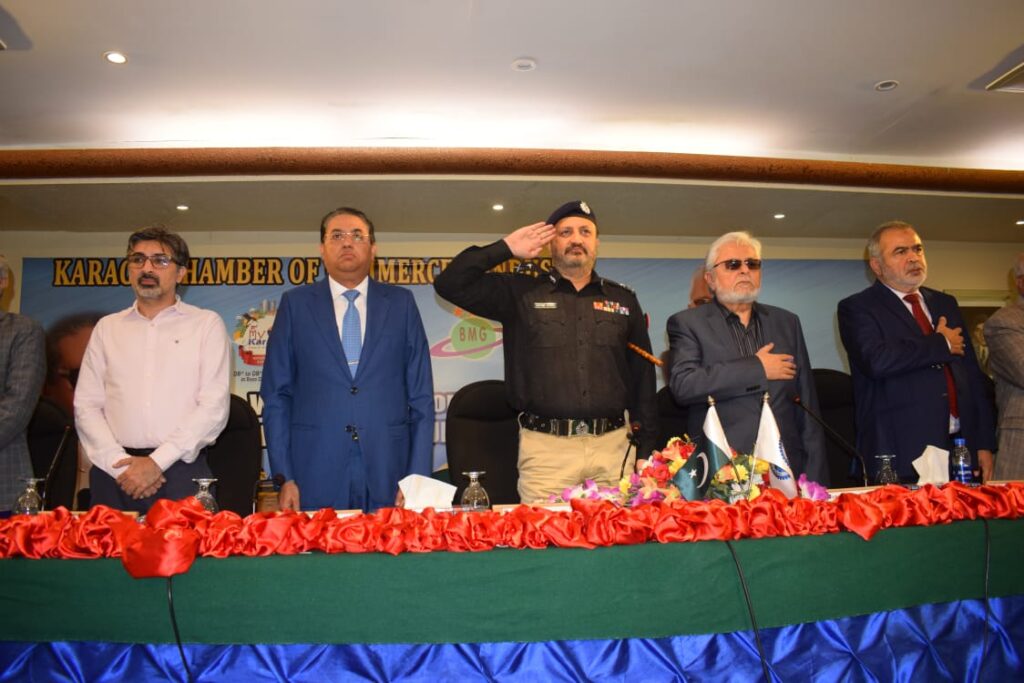
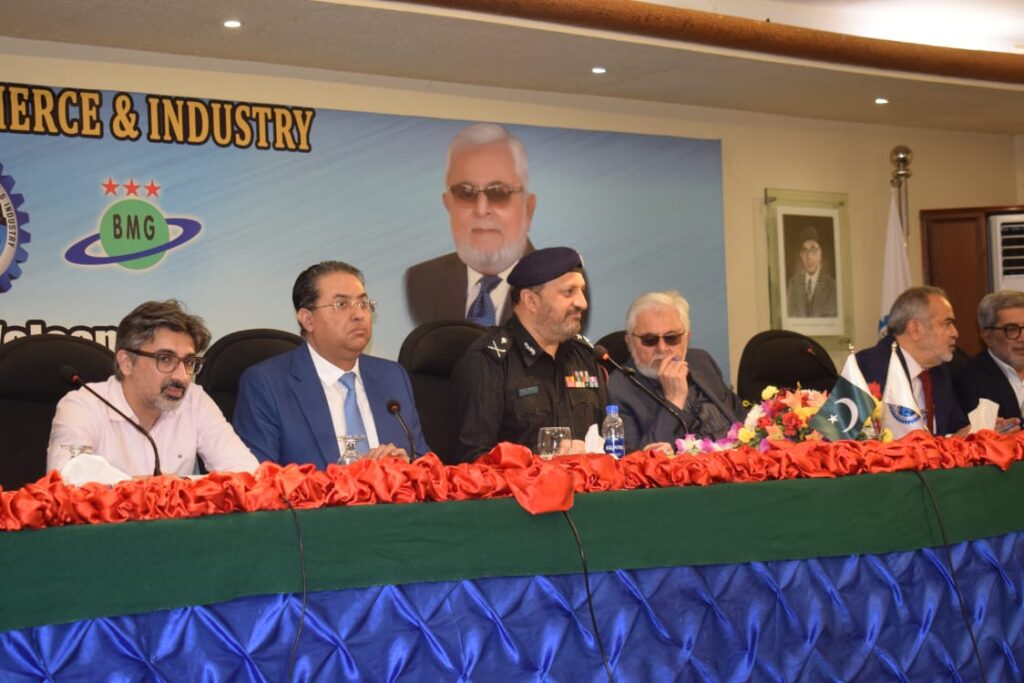
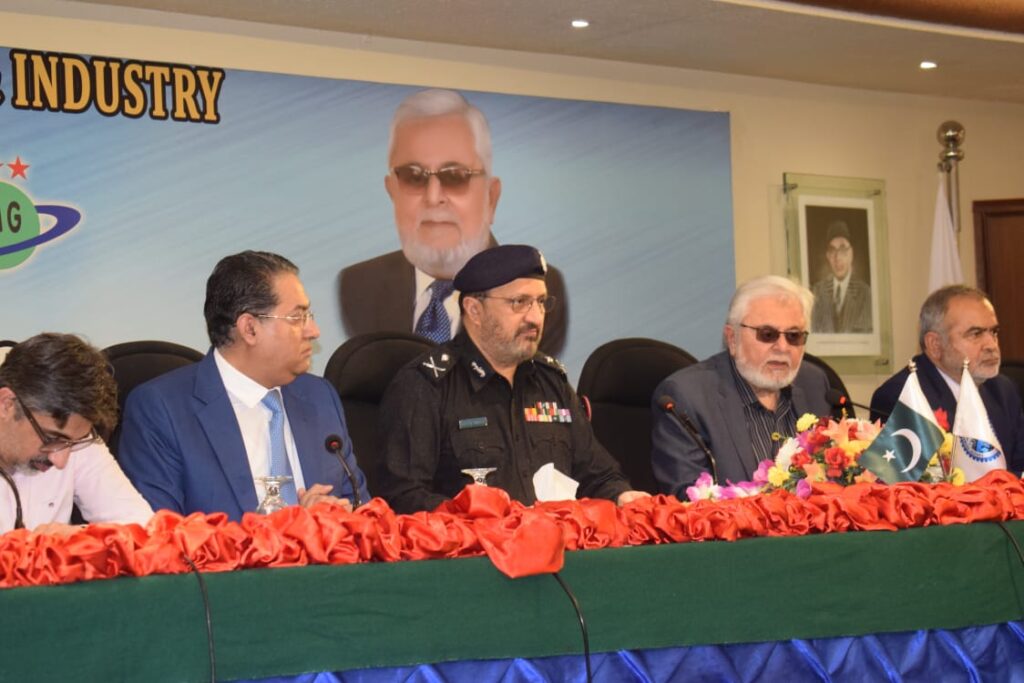
Addressing members of the Karachi Chamber of Commerce and Industry (KCCI), the IGP revealed that police killed 41 notorious dacoits, arrested 123 injured suspects, and secured the surrender of more than 320 criminals during the last four months.
He stated that the operation targeted heavily armed criminal gangs operating in remote katcha regions of Sindh.
Business Leaders Attend Security Meeting
The meeting was attended by prominent business leaders, including Zubair Motiwala, Jawed Bilwani, and Rehan Hanif.
Former KCCI presidents and members of the chamber’s law and order committees also participated in the session.
Karachi Security Situation Shows Improvement
Jawed Alam Odho said Karachi’s overall security environment has improved significantly in recent years.
He noted that incidents of street crime have declined, although continuous vigilance and coordination remain necessary.
Moreover, he highlighted the importance of cooperation between law enforcement agencies and the business community to maintain peace and stability.
Traffic Management and Urban Planning Discussed
The IGP identified Karachi’s traffic congestion as one of the city’s major structural challenges.
He stressed the need for long-term urban planning, including relocating wholesale markets outside densely populated commercial zones.
In addition, he called for dedicated expressways linking industrial zones and ports with national highways.
Jawed Alam Odho also highlighted projects such as the Northern Bypass expansion and elevated expressways connecting Karachi Port and Port Qasim with industrial areas.
Safe City and AI-Based Monitoring Expanded
The IGP informed participants that Sindh Police has intensified enforcement through Safe City surveillance systems and AI-based monitoring technologies.
He warned that authorities would take strict action against vehicles using fake or tampered number plates, including FIR registration and vehicle impoundment.
Furthermore, he announced plans to modernize Karachi’s traffic management system through smart traffic signals, improved road signage, and advanced traffic engineering solutions.
Crackdown on Narcotics Intensified
Discussing narcotics, the IGP described drugs as one of the gravest threats facing society and young people.
He revealed that police arrested more than 1,700 drug dealers during recent anti-narcotics operations and seized large quantities of heroin, hashish, and other illegal substances.
Referring to the arrest of alleged drug supplier “Pinky,” Jawed Alam Odho urged the public and media not to glamorize criminals or drug traffickers on social media platforms.
Business Community Appreciates Police Efforts
Zubair Motiwala praised the improved law and order situation in Karachi and noted a visible decline in street crime, car snatching, and motorcycle theft cases.
However, he expressed concern over rising drug use among students in schools, colleges, and universities.
Meanwhile, Jawed Bilwani urged authorities to expand the smart traffic signal system across Karachi after successful implementation at PIDC Signal.
He also stressed the importance of accelerating the Safe City Project to improve both traffic management and crime control.
KCCI Calls for Stronger Monitoring and Rapid Response
Rehan Hanif acknowledged the reduction in street crimes and short-term kidnappings due to effective policing.
He also highlighted improvements in highway security following operations against dacoits in katcha areas.
Additionally, he called for stricter monitoring of heavy vehicles, especially regarding the use of unsafe retreaded tyres, which he described as a major cause of fatal traffic accidents in Karachi.
Rehan Hanif further proposed establishing a rapid response mechanism within the police department to address land grabbing complaints before illegal occupations become difficult to reverse.