

Meryl Streep Criticizes Marvel Films, Calls Modern Cinema “Boring”
Meryl Streep Criticizes Marvel Films, Calls Modern Cinema “Boring”
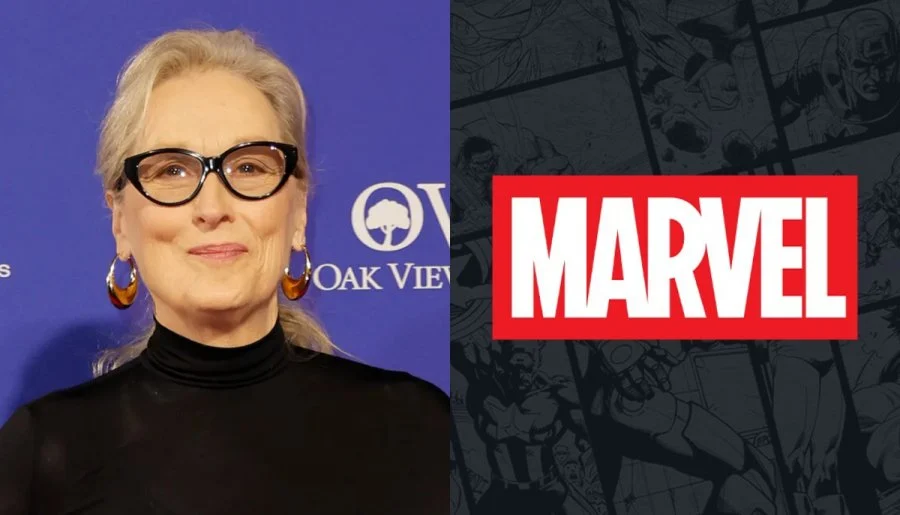
Veteran Hollywood star Meryl Streep has taken aim at the Marvel Cinematic Universe, arguing that the dominance of superhero films has made modern cinema “boring” by oversimplifying storytelling.
Pakistan Refining Sector Under Strain as Diesel Pricing Formula Sparks Industry Backlash
Speaking during promotions for The Devil Wears Prada 2 alongside co-stars Anne Hathaway and Emily Blunt, the Oscar-winning actress expressed concern that the industry has increasingly “Marvel-ized” narratives, prioritizing spectacle over depth.
Streep, 76, said many contemporary films rely on clear-cut distinctions between good and evil, lacking the complexity that defines real human experiences. In contrast, she emphasized the appeal of layered storytelling, where characters are flawed and morally ambiguous.
Referencing iconic superhero figures like Iron Man and Captain America, Streep suggested that such portrayals often miss the nuance she believes is essential to compelling cinema. She argued that stories become more engaging when heroes show vulnerability and villains possess relatable human traits.
The actress highlighted her return to the high-fashion world of The Devil Wears Prada as an example of storytelling grounded in reality. She noted that the sequel explores how the fashion industry has evolved over the past two decades, offering a more authentic and “messy” reflection of life compared to formulaic blockbusters.
The cast also discussed the growing role of artificial intelligence in the workplace. When asked whether her character Miranda Priestly would use AI, Streep humorously replied that the character would rely on assistants instead.
Hathaway shared her own observations, revealing she had encountered job applicants using ChatGPT to write thank-you notes, calling the practice obvious and amusing. Streep, however, took a more critical stance, describing the trend as “tragic” and urging young people to preserve their individuality.
Emphasizing the importance of human creativity, Streep concluded with a message encouraging women to maintain their unique voices in an increasingly automated world, warning against allowing technology to replace personal expression.