
Pakistan’s Gas Reforms Gain Momentum as Govt Revives Plan to Split SNGPL and SSGCL
The government aims to unbundle Pakistan’s two state-owned gas utilities into five companies, paving the way for private investment and a major overhaul of the energy sector.
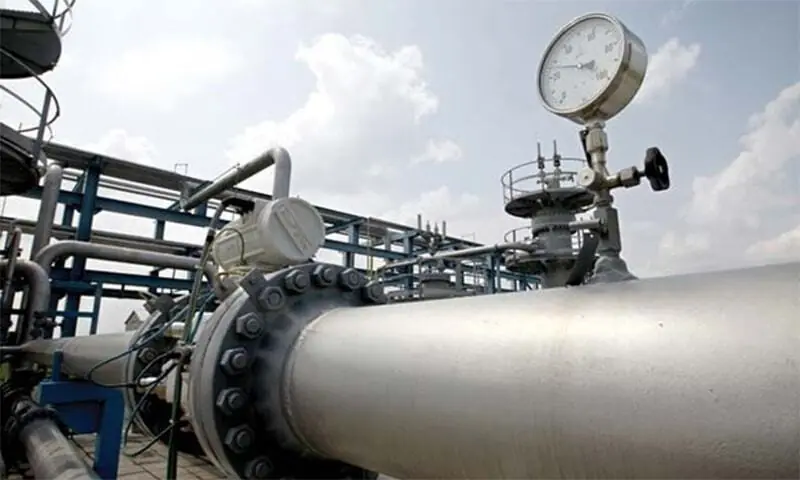
Pakistan moves ahead with major reforms to restructure its gas sector.
The federal government has revived its long-delayed Gas Reforms plan, moving forward with a proposal to restructure Pakistan’s two state-owned gas utilities into five separate companies as part of a broader effort to modernise the country’s energy sector and attract private investment.
The proposal was reviewed during a high-level meeting in Islamabad chaired by Petroleum Minister Ali Pervaiz Malik and attended by World Bank Country Director Bolormaa Amgaabazar. Officials agreed on the strategic direction of the reforms and instructed the Petroleum Division to submit a final roadmap for Prime Minister Shehbaz Sharif’s approval by the end of August 2026.
Under the proposed restructuring, Sui Northern Gas Pipelines Limited (SNGPL) and Sui Southern Gas Company Limited (SSGCL) would be separated into one National Gas Transmission Company (NGTC) and four provincial gas distribution companies. The new structure is designed to mirror Pakistan’s power sector model, where generation, transmission and distribution operate through independent entities.
The reforms seek to separate gas transmission, distribution and energy businesses while opening the sector to greater private participation. The proposed NGTC would manage the national transmission network and function as a common carrier, transporting gas for all suppliers without engaging in gas sales. Instead, it would earn revenue through wheeling charges, allowing third-party access to the national pipeline network.
SpaceX Slides as Elon Musk’s AI Spending Spree Overshadows Revenue Growth
Government officials believe the new framework will improve operational efficiency, strengthen competition and create a financially sustainable gas sector. Sources said several major business groups have already shown interest in investing in the transmission company once the restructuring moves ahead.
The distribution business would be divided into four provincial companies based on technical and commercial factors such as population, gas demand, network density, operational workload and system efficiency. Officials expect the smaller entities to improve service delivery and financial performance while remaining commercially viable.
However, the proposal continues to face significant resistance. Both SNGPL and SSGCL, along with their shareholders, oppose the restructuring, arguing that it would effectively dissolve the existing companies. They have also expressed reluctance to contribute financially to the unbundling process.
Independent consultant KPMG and the Oil and Gas Regulatory Authority (Ogra) had previously questioned the financial and technical viability of a similar proposal in 2020. At the time, they recommended wider consultations with provincial governments, regulators and private shareholders before implementing any structural changes, leading to the plan being shelved.
The Petroleum Division is now seeking the appointment of a transaction adviser to oversee the restructuring process. The advisory costs are expected to be financed either by the World Bank or jointly by SNGPL and SSGCL, with the expenses ultimately recoverable through consumer gas tariffs.
Officials also acknowledged that several policy issues remain unresolved, including transfer pricing, cross-subsidies and the mechanism for maintaining uniform gas prices despite varying system losses across provinces. They stressed that provincial governments and the Council of Common Interests (CCI) would need to be consulted before the reforms are fully implemented.
Following approval from the prime minister, the government plans to introduce the reforms in phases, aiming to create a more competitive, transparent and investment-friendly gas sector while ensuring a smooth transition for consumers and industry stakeholders.