Pakistan Refining Sector Under Strain as Diesel Pricing Formula Sparks Industry Backlash
Pakistan Refining Sector Under Strain as Diesel Pricing Formula Sparks Industry Backlash
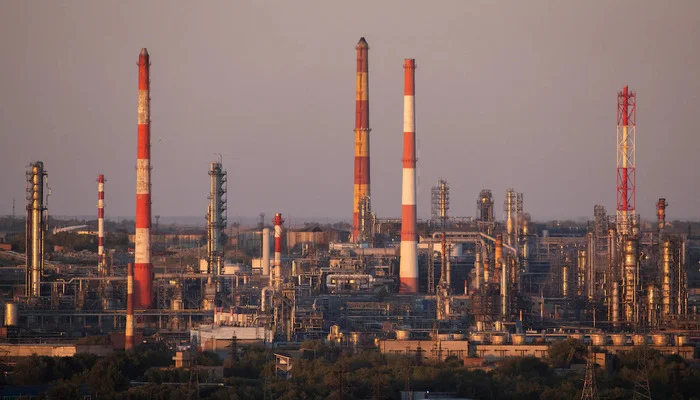
ISLAMABAD: Pakistan’s oil refining sector is facing mounting financial pressure following changes in the diesel pricing formula, with industry players accusing authorities of imposing an “artificial” cap on margins that fails to reflect actual costs.
Trump Signals Possible US Move on Cuba, Expands Sanctions in Escalating Tensions
Refinery officials say the government’s decision to fix the diesel crack spread at $41.5 per barrel has distorted the economics of the sector. They argue that the figure is significantly lower than market realities and does not account for the true delivered cost of crude oil, including freight charges, premiums, and rising war risk insurance linked to regional geopolitical tensions.
According to industry representatives, the effective crack spread as of late April stood closer to $60 per barrel, based on international benchmarks such as Dubai crude oil trading near $110 per barrel and diesel prices around $160 per barrel. However, under the revised mechanism introduced on April 1, refineries are compensated using the capped figure, with a minimum floor of $11 per barrel.
Officials also highlighted the impact of a 5% customs duty on crude oil imports, which they say further erodes margins. While a portion of this cost is recoverable through the deemed duty mechanism, refineries claim they can only recoup 2.5% to 3%, leaving a substantial gap.
The financial toll has been immediate. In April 2026 alone, Pakistan’s four major refineries collectively recorded losses of approximately Rs24 billion, with weekly losses peaking at over Rs8 billion. The downturn marks a sharp reversal from earlier in the fiscal year, when the sector had returned to profitability after nearly five years of sustained losses.
For example, Pakistan Refinery Limited reported earnings of around Rs10 billion in March, which dropped dramatically to roughly Rs0.5 billion in April, with further losses expected in the coming months.
Industry stakeholders argue that they had accepted the pricing formula in the national interest to stabilize domestic fuel prices and support consumers during a period of economic and regional uncertainty. They contend that exporting diesel could have yielded significantly higher returns, but instead, local supply was prioritized at reduced margins.
The strain extends beyond diesel production. Petrol margins remain relatively low at around $9 per barrel, while furnace oil continues to generate negative returns of nearly minus $40 per barrel. Additionally, a sales tax exemption introduced in the FY2025 budget has added further pressure, with refineries and oil marketing companies collectively facing annual losses of around Rs35 billion.
On the import side, costs have surged due to geopolitical risks, with Pakistan State Oil importing diesel at $160–170 per barrel, including a premium of roughly $40 per barrel. While PSO has been compensated through adjustments in freight margins, refinery officials argue that similar relief has not been extended to them.
Federal Minister for Petroleum Ali Pervaiz Malik stated that the revised pricing framework has the backing of the International Monetary Fund and emphasized that the government is working to support the sector, including facilitating refinery upgrades and offsetting losses from fiscal measures.
Despite these assurances, industry experts warn that continued financial strain could jeopardize refinery operations and discourage future investment. They also point to long-standing policy inconsistencies that have hindered the development of new refining capacity and delayed upgrades to existing facilities.
Analysts stress that the refining sector plays a critical role in Pakistan’s energy security, particularly during periods of global volatility. Local refineries have ensured uninterrupted fuel supply in recent months, helping the country avoid shortages despite rising import costs and supply chain disruptions.