

Gilgit-Baltistan Floods Leave Tourists Stranded as Flash Floods and Glacial Melting Cause Widespread Damage
Flash floods triggered by cloudbursts and rapid glacial melting swept across Gilgit-Baltistan, damaging homes, roads and farmland, while Punjab authorities intensified flood preparedness amid continuing monsoon rains.
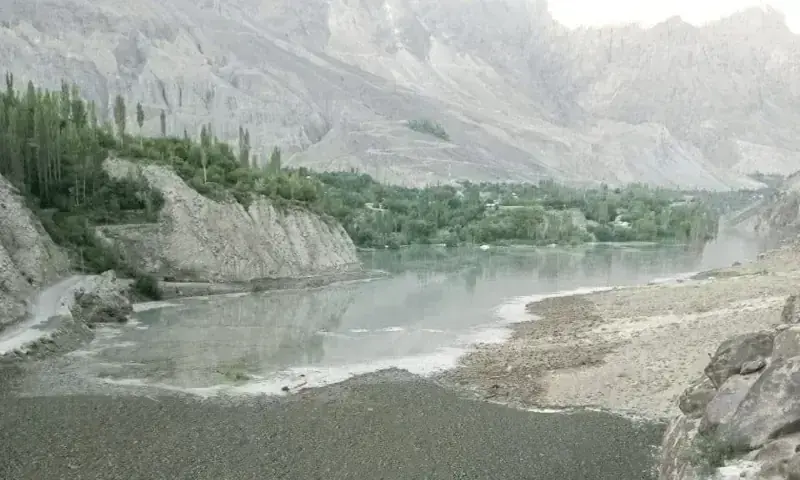
Flash floods damage roads and homes across Gilgit-Baltistan following heavy rainfall.
The devastating Gilgit-Baltistan Floods caused widespread destruction on Tuesday after cloudbursts and accelerated glacial melting unleashed flash floods across several districts, leaving hundreds of tourists and residents stranded while damaging homes, highways, bridges and agricultural land.
Authorities temporarily closed sections of the Karakoram Highway (KKH) near Altashi Nullah in the Gini area of Chilas after floodwaters made the route unsafe for traffic. Officials also warned that rising water levels in the Hunza, Nagar and Indus rivers, along with several mountain streams, continued to threaten downstream communities, with riverbank erosion reported in multiple locations.
Artificial Lake Submerges Village in Ghizer
Gilgit-Baltistan Floods hit Ghizer district particularly hard, where flash floods in Mayon village blocked the Ishkoman River and created a temporary artificial lake. The rising water inundated Hasis village, submerging dozens of homes, farmland and public infrastructure.
Local authorities evacuated affected residents after floodwater entered residential areas. At least 15 houses were reported damaged, while a school, a mosque, agricultural fields and other public facilities remained under water. The Ghizer-Ishkoman Road was completely cut off, isolating the Ishkoman Valley until water gradually began flowing out of the temporary lake.
Flooding also damaged homes, roads and farmland in Sherqila, Salpi, Aishi, Damas, Haim and Dilnati, while fallen electricity poles disrupted power supplies in several communities.
Rescue Operations Intensified Across the Region
Gilgit-Baltistan Chief Minister Amjad Hussain directed the Gilgit-Baltistan Disaster Management Authority (GBDMA) and district administrations to accelerate rescue, relief and rehabilitation efforts in the affected areas.
In Gilgit district, cloudburst-induced flooding caused extensive damage in the upper Naltar Valley. Rescue 1122 officials said 12 houses were damaged, agricultural land and standing crops were destroyed, and several families were displaced. Floodwaters also blocked the Naltar Highway at multiple locations, leaving tourists stranded.
Glacial Melting Damages Karakoram Highway
In Upper Hunza, rapidly melting glaciers increased water discharge through Juchar Nallah in the Gojal area, damaging sections of the Karakoram Highway near Gulmit.
Local authorities temporarily suspended traffic before reopening the strategic highway once conditions improved. Officials continue to monitor glacier-fed streams amid concerns that further temperature increases and rainfall could trigger additional flooding.
Punjab Strengthens Flood Preparedness
While northern Pakistan battled flash floods, heavy monsoon rainfall caused urban flooding in several cities across Punjab.
Provincial Minister Khawaja Salman Rafique visited flood-prone areas and protective embankments in Jalalpur Pirwala alongside Punjab Disaster Management Authority (PDMA) Director General Saif Anwar Jappa to assess emergency preparedness.
The delegation inspected embankments, evacuation plans, rescue arrangements and relief operations designed to minimise flood risks.
Rs2 Billion Flood Protection Measures
Officials said two protective embankments at Jalalpur Pirwala and Nooraja Bhatta had been completed at a cost of Rs2 billion to strengthen flood defences.
Multan Commissioner Amir Karim told the minister that the newly completed 7.2-kilometre embankment at Jalalpur Pirwala would help protect the town from backflow from the River Chenab. He added that digital mapping of flood-prone areas had been completed and all relevant departments remained on high alert.
According to the PDMA, widespread rainfall continued across Punjab, with drainage teams working to clear accumulated rainwater. The current weather system is expected to persist until Wednesday, prompting authorities to maintain emergency response measures across vulnerable districts.