

KT Tunstall Black Horse and the Cherry Tree Star Leads Groundbreaking Deaf Theatre Production
A new Scottish theatre production, The Singer, brings deaf and hearing performers together, using music, movement, vibration technology, and lighting to redefine accessibility on stage.
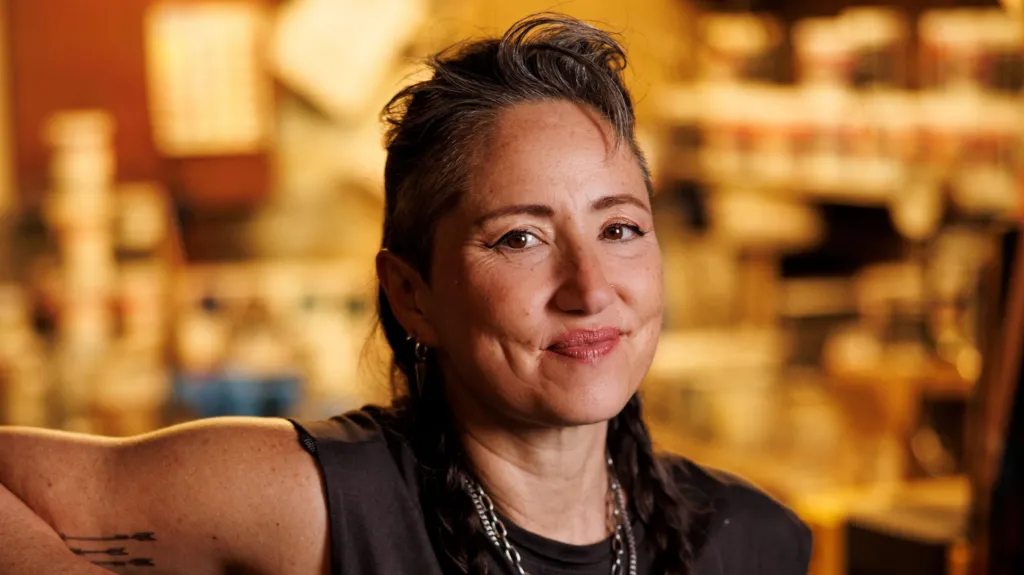
KT Tunstall Black Horse and the Cherry Tree artist rehearsing with Jamie Rea for The Singer
Bridge Between Sound and Sign Language
EDINBURGH — Ten years after acclaimed director Cora Bissett first watched Jamie Rea perform at the Royal Conservatoire of Scotland (RCS), the duo has reunited for a revolutionary stage project. The new production, The Singer, places deaf artists and British Sign Language (BSL) at the core of live performance rather than treating accessibility as an afterthought.
Developing the show in collaboration with Aberdeen Performing Arts, Dundee Rep, and Solar Bear, the team set out to blur the lines between acoustic rhythm and physical expression.
From Street Busking to Deaf Theatre Innovation
Famous for her iconic breakthrough hit kt tunstall black horse and the cherry tree, singer-songwriter KT Tunstall was invited to compose the score for the production. Tunstall immediately felt a personal connection to the project’s central storyline, which features a deaf musician collaborating with a Glasgow busker.
Long before her chart-topping success with kt tunstall black horse and the cherry tree, Tunstall spent years honing her signature rhythm and live-looping techniques as a street busker. Furthermore, her younger brother was born profoundly deaf, and Tunstall herself experienced sudden hearing loss in her left ear in 2018.
Rather than providing traditional BSL translation alongside pre-recorded tracks, Tunstall collaborated directly with Rea to fuse music, lighting, and physical movement:
Vibration Technology: Performers wear specialized haptic vests that convert audio frequencies into physical pulses, allowing actors to feel bass rhythms and beat drops in real time.
Visual Cueing: Lighting design and staging geometry replace traditional auditory stage cues.
Musical Style: The original score blends rich acoustic layers with heavy hip-hop beats, creating a soundscape that resonates both audibly and tactilely.
- Older Actresses Are Finally Getting More Than Mother-in-Law Roles in Pakistani Dramas
Redefining Live Music Accessibility
The production represents a significant milestone for Scotland’s performing arts sector. By embedding accessibility into the core creative process from day one, The Singer proves that live musical theatre can offer an equally rich experience for both deaf and hearing audiences.
For Jamie Rea and the creative team, the show demonstrates that music is not limited to hearing—it can be fully experienced through sight, pulse, vibration, and motion.