
High Petroleum Prices Hurt Pakistan’s Export Competitiveness, Says FPCCI President
FPCCI President Atif Ikram Sheikh urges the government to review diesel prices and petroleum levies to reduce business costs and support exporters.
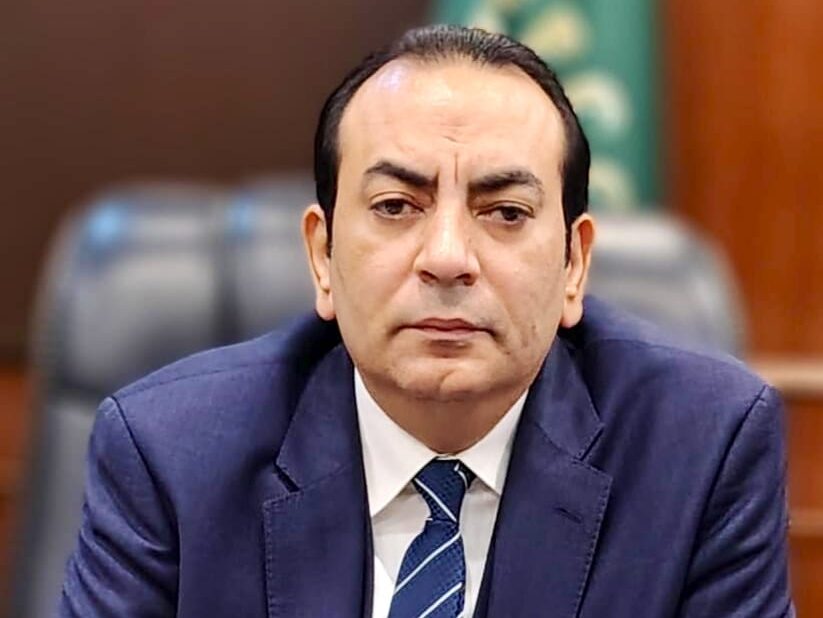
FPCCI President Atif Ikram Sheikh calls for lower fuel costs to support Pakistan's businesses and exporters.
KARACHI: Petroleum Prices have become a major challenge for Pakistan’s export competitiveness, according to Federation of Pakistan Chambers of Commerce and Industry President Atif Ikram Sheikh.
He urged the federal government to adopt a realistic approach to fuel pricing. He placed particular emphasis on high-speed diesel.
Sheikh said high fuel costs increase transport, logistics and production expenses. These rising costs affect businesses across Pakistan.
Diesel Costs Raise Business Expenses
Diesel plays a vital role in transport, agriculture and manufacturing. Higher diesel prices also increase supply-chain costs.
Sheikh said these expenses create wider inflationary pressure. Producers eventually pass many of these costs on to consumers.
PSO Honours Dealers as Key Partners in Pakistan’s Energy Security
He urged the government to avoid treating petroleum prices primarily as a revenue source through the petroleum development levy.
According to Sheikh, industries need competitive operating costs to grow. Lower business costs could also help Pakistan expand its exports.
FPCCI Calls for Review of Petroleum Levies
Global crude oil prices influence domestic fuel rates. However, Sheikh said local taxes and levies also increase the final price.
He said these additional charges create serious difficulties for businesses. Small and medium-sized enterprises face particular pressure.
Large-scale manufacturers also struggle with higher production and transport costs.
Sheikh called on the Ministry of Finance and the Ministry of Energy to review the current fuel pricing structure.
Lower Diesel Prices Could Ease Inflation
The FPCCI president said cheaper diesel could reduce transportation costs. Producers could then move goods at lower prices.
Lower logistics expenses could also ease inflationary pressure on consumers.
Sheikh said farmers could benefit as well. Reduced diesel costs would lower expenses for tractors and tube wells.
Lower agricultural operating costs could support food production. They could also help stabilise domestic food prices.
Exporters Face Regional Competition
Pakistan’s exporters face growing competition in international markets. High logistics costs make Pakistani products more expensive.
Sheikh said exporters compete with companies in India, Bangladesh and Vietnam.
He argued that these countries have managed domestic energy pressures more effectively. Their industries have received greater protection from sharp fuel price increases.
Pakistani manufacturers could lose global market share without competitive production costs, he warned.
FPCCI Seeks Business-Friendly Policies
Sheikh said economic growth depends on a strong business environment. The government must support businesses if it wants industrial growth and job creation.
He urged policymakers to review taxes and levies on petroleum products. The government should provide the maximum possible relief to industry.
The FPCCI remains ready to work with the government on economic reforms. Sheikh said such policies should promote industrial growth, exports and employment.