Kashmir Black Day: Sindh Government Vows to Keep Kashmiris’ Plight Before the World
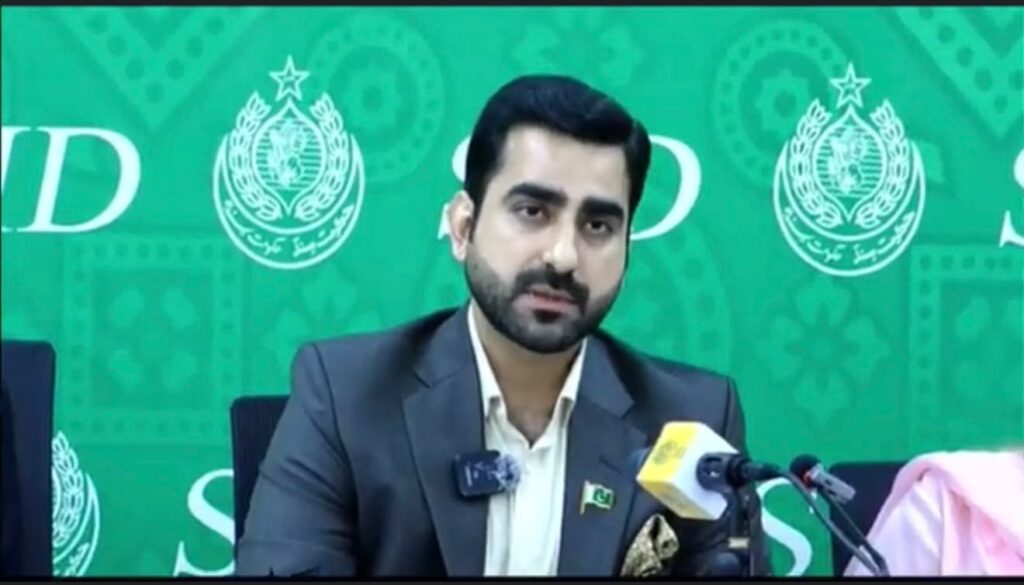
Kashmir Black Day: Sukhdev Hemnani calls for international action to protect Kashmiris’ rights.
Sindh government spokesperson Sukhdev Assardas Hemnani has reaffirmed the provincial government’s support for the people of Kashmir. He urged the international community to move beyond statements and take meaningful action to protect their rights and support a peaceful resolution of the dispute under relevant United Nations resolutions.
Addressing a press conference ahead of Kashmir Black Day, Hemnani said the Kashmir issue extends beyond foreign policy. He described it as a matter of fundamental human rights, religious freedom and the Kashmiri people’s right to self-determination.
“The people of Sindh stand with their Kashmiri brothers and sisters. Our position is clear: we will continue to advocate for their rights and ensure that the world does not turn a blind eye to their plight,” he said.
Hemnani Calls for International Action on Human Rights
Hemnani referred to reporting by Amnesty International, Freedom House and the US Commission on International Religious Freedom (USCIRF). He said international concerns about rights violations in Kashmir and the treatment of religious minorities in India required serious attention.
CDC and EClear Services Expand Raast Digital Payments in Pakistan’s Capital Market
He also cited USCIRF’s recommendations concerning religious freedom in India. The commission’s 2026 annual report recommended that the US government designate India a Country of Particular Concern. It also called for targeted sanctions against certain individuals and entities, including the Rashtriya Swayamsevak Sangh (RSS) and India’s Research and Analysis Wing (RAW). These remain recommendations by the commission, rather than confirmed US government designations or sanctions.
“India calls itself the world’s largest democracy, yet its government must answer the serious concerns raised about religious freedom, minority rights and fundamental freedoms in Kashmir,” Hemnani said.
He criticised the policies of the Indian government under Prime Minister Narendra Modi. He also called for sustained international scrutiny of conditions in Kashmir, which he described as an extensively militarised territory.
Religious Freedom and Peaceful Engagement
Hemnani contrasted his criticism of India’s Kashmir policies with Pakistan’s stated commitment to peace and religious access. He cited facilities for religious pilgrims as an example of the importance of protecting freedom of worship despite political tensions.
He referred to Hindu and Sikh religious sites, including Shadani Darbar, Raharki Sahib, Sadh Belo, Aror Mandir, temples in Nagarparkar, Kartarpur, Nankana Sahib, Katas Raj and Hinglaj Mata.
“I am a Pakistani Hindu. I live freely in this country with my religious identity and participate in its political life. Our message is one of peace, brotherhood and tolerance,” he said.
The spokesperson added that Kashmir remained a national cause that transcended party politics. He reaffirmed the Sindh government’s support for Pakistan’s position on the dispute.
Kashmir Must Remain on the Global Agenda
Hemnani stressed that annual rallies and public statements must lead to sustained international engagement. He called for Kashmiri voices and documented human rights concerns to receive continued attention from international institutions, policymakers and the media.
“Our responsibility is to ensure that Kashmir does not disappear from the world’s attention. The international community must translate its concern into meaningful action,” he said.
He urged the international community to pursue implementation of relevant UN resolutions in accordance with their provisions. He also called for a peaceful settlement that respects the rights and aspirations of the Kashmiri people.