Iran Nuclear Deal Deadline Looms Amid Rising US Military Threat Pressure
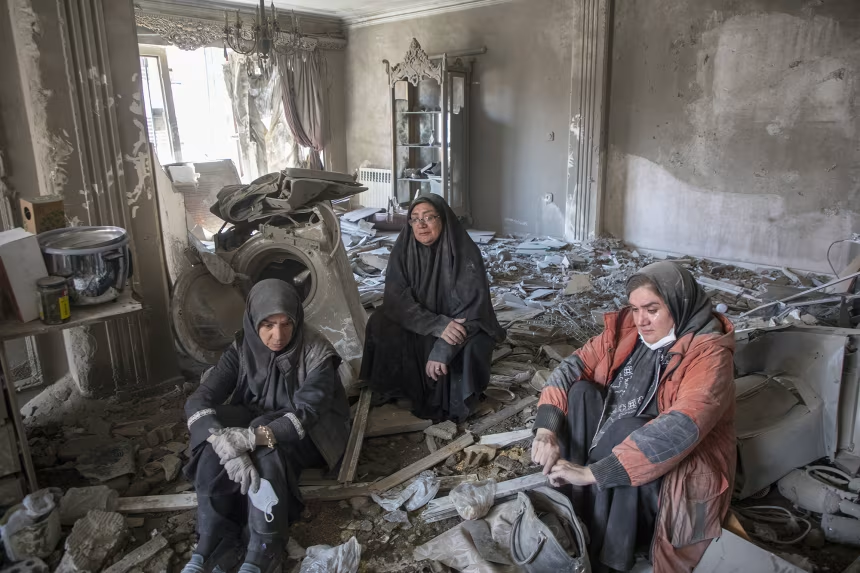
Rising tensions over Iran nuclear talks and renewed US strategic pressure.
Iran nuclear tensions have resurfaced as a 60-day diplomatic deadline and military threats intensify discussions between the United States and Iran. The Iran nuclear situation is once again at the center of global security concerns. Moreover, the cycle of negotiation and escalation appears to be repeating.
The focus keyword Iran nuclear reflects growing uncertainty around renewed talks and potential conflict escalation. In addition, diplomatic efforts remain fragile amid rising regional pressure. As a result, international observers warn of another unstable phase.
Furthermore, the situation mirrors earlier breakdowns in negotiations that previously led to military escalation in the region.
For more: Pakistan Air Force Trainer Aircraft Crashes Near Mardan in Routine Sortie
Donald Trump Iran Nuclear Strategy
The Donald Trump has reportedly pushed for renewed Iran nuclear negotiations under a strict 60-day framework. However, concerns persist that similar strategies have previously failed to prevent escalation.
In addition, diplomatic efforts involving US envoys aimed to restart negotiations in regional hubs such as Oman. Despite this, talks reportedly collapsed amid rising military developments and political pressure.
Moreover, the strategy reflects a recurring cycle of diplomacy followed by escalation. As a result, critics question its long-term effectiveness.
US Iran Nuclear Cycle Repeats
The Iran nuclear situation has been described as repeating cycles of diplomacy and conflict escalation between the United States and Iran. Analysts suggest that previous agreements failed to establish lasting stability.
Moreover, earlier phases of negotiations reportedly ended after military strikes involving regional actors. Consequently, the current situation resembles past breakdowns in diplomatic progress.
In addition, repeated escalation patterns continue to undermine trust between both sides. This cycle raises concerns about long-term regional security stability.
Israel Iran Nuclear Tensions
Regional tensions involving the Israel have played a major role in shaping Iran nuclear developments. Military actions and counteractions have further intensified instability in the region.
In addition, past conflicts reportedly escalated into broader regional warfare involving multiple state and non-state actors. As a result, diplomatic negotiations have repeatedly been disrupted.
Furthermore, security concerns continue to influence strategic decisions across the Middle East. This dynamic adds complexity to ongoing nuclear negotiations.
Iran Nuclear Security Concerns
Iran nuclear capabilities remain a central issue for international security discussions. The situation has been influenced by leadership changes and regional military pressure.
Moreover, analysts suggest that internal political shifts have impacted decision-making structures in Tehran. As a result, diplomatic predictability remains limited.
In addition, concerns persist over whether negotiations can prevent further escalation. The uncertainty continues to shape global diplomatic strategies.
Middle East Nuclear Escalation Risks
The broader Middle East region continues to face escalation risks linked to Iran nuclear tensions. These risks involve multiple actors, including regional alliances and global powers.
Furthermore, security developments involving groups such as Hezbollah have added complexity to the situation. Consequently, regional stability remains fragile.
In addition, ongoing military readiness and diplomatic uncertainty contribute to heightened global concern. As a result, policymakers continue to monitor developments closely.
Iran Nuclear Deal Outlook
The future of the Iran nuclear deal remains uncertain as diplomatic and military pressures converge. Moreover, repeated cycles of negotiation failure have reduced optimism among analysts.
In addition, the interaction between diplomacy and military strategy continues to define the current phase. As a result, the situation remains highly volatile.
Overall, the Iran nuclear issue continues to shape global geopolitical stability, with outcomes dependent on future diplomatic engagement and regional restraint.