
Goods Transport Strike Deferred for 40 Days as KATI Seeks Timely Action
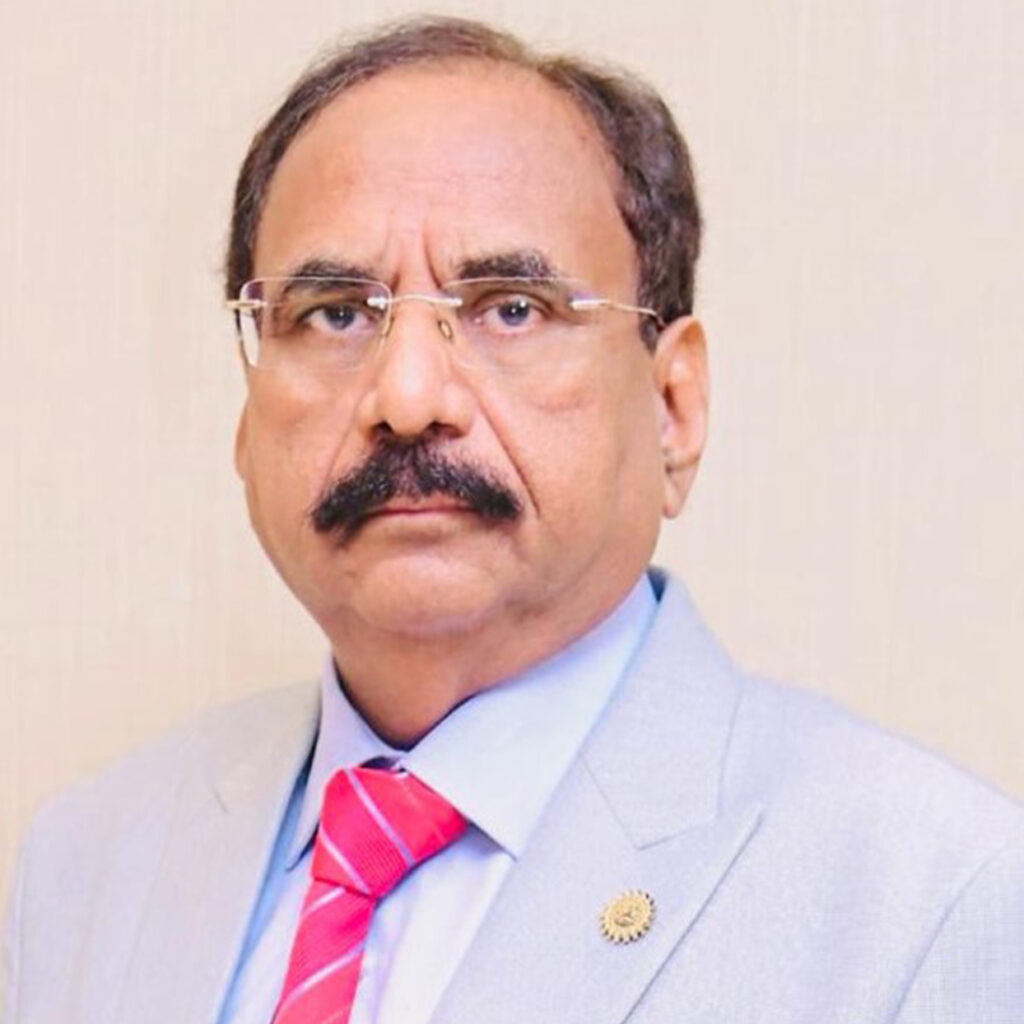
KATI welcomes the 40-day deferment of the nationwide goods transport strike and calls for timely government action
The decision to defer the nationwide goods transport strike for 40 days has received a positive response from the business and industrial community, with the Korangi Association of Trade and Industry (KATI) calling for timely implementation of the agreement.
KATI President Muhammad Ikram Rajput welcomed the outcome of negotiations between the government and goods transporters. He described the development as important for Pakistan’s economy, industry, trade and supply chains.
Rajput particularly appreciated Prime Minister Shehbaz Sharif for playing an effective role in addressing the transport sector’s longstanding concerns.
He also thanked the federal and provincial governments, Governor Sindh, Mayor Karachi and representatives of the transport sector for their efforts.
Federal Minister for Communications Abdul Aleem Khan also received appreciation for his role in the negotiations.
Transport strike disrupted economic activity
Rajput said the nine-day strike had caused serious disruption across the country.
Industrial activity, commercial operations, imports and exports all faced difficulties during the stoppage. Supply chains also came under pressure.
SECP Launches Corporate Debt Market Desk for Business Financing
“Goods transportation is a fundamental pillar of economic activity in Pakistan,” Rajput said.
He noted that disruptions in transportation quickly affect businesses and consumers. Therefore, resolving such disputes through dialogue remains important for economic stability.
The 40-day deferment provides the government and transporters with time to implement the commitments reached during negotiations.
However, Rajput stressed that the government must follow through on its promises within the agreed timeframe.
KATI seeks predictable fuel prices
The KATI president also raised concerns about Pakistan’s petroleum pricing mechanism.
He said businesses and transporters face difficulties when fuel prices change frequently and unpredictably.
Such changes can increase production and transportation costs. They can also make financial planning more difficult for manufacturers, traders and logistics companies.
Rajput urged the government to introduce a more transparent and predictable pricing mechanism.
He suggested determining petroleum prices every month or, at minimum, every 15 days.
A regular pricing schedule would allow businesses and transporters to estimate costs more accurately. It could also help companies make better investment and operational decisions.
Government urged to honour agreement
Rajput stressed that the 40-day period should not become another source of uncertainty.
He called on the government to implement all decisions reached during negotiations within the agreed timeframe.
Timely action, he said, could help resolve transporters’ concerns permanently. It could also reduce the risk of future nationwide strikes and supply chain disruptions.
Pakistan cannot afford prolonged economic disruption amid continuing regional and global challenges, Rajput added.
He urged the government, transporters and business community to keep the national interest at the centre of their decisions.
Dialogue urged to prevent future crises
Rajput also called for regular meetings between government officials and transport representatives.
He said the committees formed during the negotiations should remain active and maintain continuous communication.
Regular consultation could help stakeholders identify problems before they develop into major disputes.
“Any issue should be resolved through dialogue and mutual consultation before it develops into a crisis,” Rajput said.
The KATI president said continued engagement would help protect Pakistan’s economy and maintain the smooth movement of goods across the country.
The 40-day deferment has therefore provided temporary relief to industry and trade. The next challenge will be ensuring that the government and transporters turn their agreement into lasting solutions.