Iran Keeps Diplomacy Open as Hormuz Dispute Deepens US Tensions
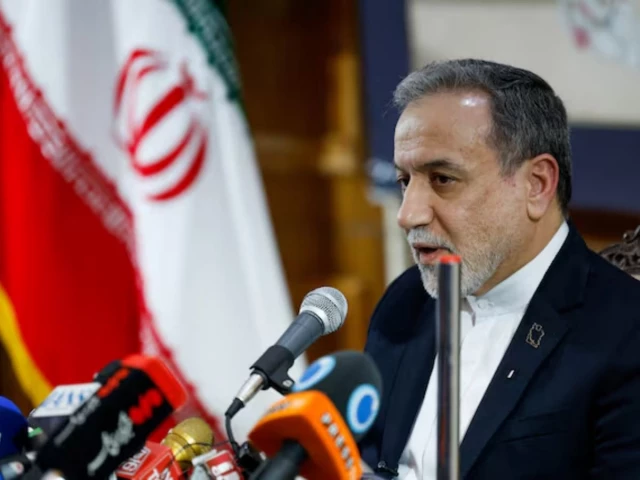
Iran-US tensions remain high as diplomacy stalls over the Strait of Hormuz.
Iran has kept the door open to diplomacy with the United States while warning that it will respond forcefully to any renewed military confrontation.
Foreign Minister Abbas Araghchi said Tehran remains serious about finding a diplomatic solution. He also stressed that Iran remains prepared to defend itself if fighting resumes.
“There is no military solution” to the conflict, Araghchi said. He also rejected new sanctions as a path to resolving the dispute.
His comments came as indirect efforts to end the conflict remained stalled. Qatar has continued to mediate between Washington and Tehran.
Iran Warns of Stronger Military Response
Araghchi warned that Iran would respond more strongly if its opponents chose another military confrontation.
The foreign minister made the remarks while addressing foreign ambassadors. He said Tehran wanted diplomacy but would not ignore its security concerns.
Iranian officials have also signalled plans to strengthen the country’s military capabilities.
Four Pakistani Sailors Return Home After Somali Pirate Captivity
Army spokesman Mohammad Akraminia told Fars that Iran plans to increase the range of its missiles. He said the decision followed the recent conflict and the deployment of US forces farther from Iran’s coastline.
Hormuz Remains Key Issue
Iranian Parliament Speaker Mohammad Bagher Ghalibaf said the Strait of Hormuz would remain closed until Washington meets seven Iranian conditions.
Ghalibaf linked the conditions to the Islamabad Memorandum of Understanding agreed during earlier negotiations. He said Tehran had received US proposals through a mediator but rejected what he described as unilateral demands.
Iran’s Foreign Ministry has also identified the security of the strategic waterway as a central issue in the current talks.
The Strait of Hormuz remains a major route for global oil and gas shipments. Its continued closure has therefore added pressure to the wider dispute.
Iran Says It Can Fight and Negotiate
Ghalibaf also said Iran was prepared to pursue diplomacy while maintaining its military readiness.
He told parliament that Tehran could negotiate when necessary and fight when required. He also said Iran would continue using diplomatic tools to defend what it considers its national rights.
The comments reflect Tehran’s stated position that diplomacy remains possible despite the continuing military confrontation.
Iran Expands Military Training
Iran’s army has also started a programme to train civilian volunteers for what officials describe as national defence.
The programme includes a military training centre in Tehran. Iranian authorities say the initiative aims to prepare citizens for national defence responsibilities.
The move comes amid continuing tensions with Washington and heightened security concerns inside Iran.
US Warns Iran Over Strait of Hormuz
US Defence Secretary Pete Hegseth, meanwhile, said Washington’s blockade of the Strait of Hormuz remains “ironclad.”
He said President Donald Trump has multiple options if Tehran continues to challenge US policy over the waterway. Hegseth also said Washington maintains control of the strategic passage.
Hegseth separately warned that Iran would not be allowed to acquire a nuclear weapon. He said the Trump administration continues to keep military options available.
Trump has also said Iran has “virtually given up” plans to develop nuclear weapons. Tehran has repeatedly denied seeking nuclear weapons and says its nuclear programme has peaceful purposes.
For now, the opposing positions leave diplomacy under pressure. Iran continues to call for negotiations while maintaining military readiness. Washington, meanwhile, has kept economic and military pressure on Tehran.
The future of the Strait of Hormuz remains closely tied to any potential diplomatic breakthrough between the two sides.