In the Age of AI, Doctors and Pharmacists Matter More Than Ever
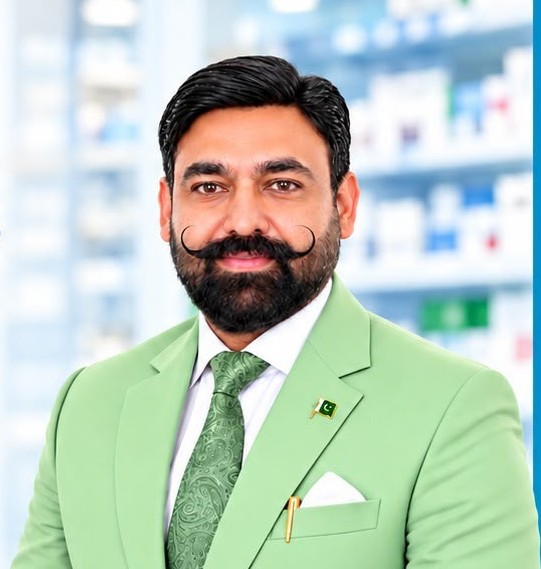
Doctors and pharmacists remain central to safe healthcare in the age of artificial intelligence.
On World Pharmacists Day, a message for Pakistan’s young generation
By Dr. Atif Iqbal
Group CEO, HighQ Pharmaceutical
As Pakistan marks World Pharmacists Day, the occasion offers a chance to recognise the vital role pharmacists play in healthcare. It also raises an important question about the growing use of artificial intelligence for health advice.
Digital technology has made information easier to access. People can now enter symptoms into an AI application and receive possible explanations within seconds.
However, health information is not the same as a medical diagnosis. An AI-generated response should not replace advice from a qualified healthcare professional.
Doctors Must Come First
When people develop symptoms or face ongoing health concerns, they should consult a qualified doctor or physician.
Diagnosis involves more than matching symptoms with information online. Doctors consider medical history, age and physical condition. They also examine patients and may order laboratory tests or other investigations.
AI applications cannot physically examine a patient. They may also lack important details about a person’s medical history.
A response can sound convincing without being medically appropriate. Patients should therefore avoid treating AI-generated information as a diagnosis.
This issue is particularly important for young people. They are among the most active users of digital platforms.
LAAM Fashion Week Brings Kaleidoscopic Karachi to the Runway
Technology can help young people understand medical terms and prepare questions for doctors. It should not become a substitute for professional medical consultation.
Pharmacists Play a Vital Role
Doctors diagnose conditions and decide on treatment. Pharmacists then play an important role in the safe use of medicines.
A pharmacist does much more than dispense medication. Pharmacists have specialised knowledge of dosage, interactions, contraindications and side effects.
They can explain how and when a medicine should be taken. Patients can also ask about food interactions, missed doses and possible side effects.
People using several medicines may face additional risks. A pharmacist can help identify potential interactions and provide guidance on safe medicine use.
Pharmacists also have an important duty to identify cases that require medical attention. They should guide patients to doctors when symptoms need further assessment.
AI Should Support Healthcare
Artificial intelligence should not be viewed as an enemy of healthcare. Used responsibly, it can improve access to general information.
AI can also help people understand medical terminology. It may help patients prepare questions before speaking with healthcare professionals.
A clear boundary is still necessary.
AI provides information. Doctors diagnose and treat. Pharmacists help patients use medicines safely.
Confusing these roles can create serious risks.
A person may enter symptoms into an AI application and assume the response is a diagnosis. They may then search for a suggested medicine and begin treatment without professional advice.
Such shortcuts can have consequences. An incorrect assumption may delay the diagnosis of a serious illness.
Inappropriate medicine use can also cause side effects, drug interactions and other complications.
Pharmacists Must Engage With Young People
World Pharmacists Day should also encourage the profession to take a stronger role in public health education.
Pharmacists in Pakistan can become more visible as medicine experts and patient counsellors. They can explain prescriptions and discourage unnecessary self-medication.
Another important role is tackling health misinformation online. Social media can spread incorrect claims about medicines and treatments within minutes.
Young people should be taught how to use digital tools responsibly. Simply telling them to avoid technology may not be enough.
A young person should feel comfortable asking a qualified pharmacist about a medicine. At the same time, pharmacists must recognise their professional limits.
When a patient needs diagnosis or further clinical assessment, the pharmacist should refer that person to a doctor.
Collaboration between doctors, pharmacists and patients remains central to safer healthcare.
A Message to Pakistan’s Young Generation
My message to young Pakistanis on World Pharmacists Day is simple: stay curious, learn and use technology wisely.
AI can help explain information. Apps and websites can also provide useful educational material.
But important health decisions should not rely only on AI-generated answers. Social media videos and internet searches should not replace professional advice either.
If you are unwell or concerned about symptoms, consult a qualified doctor or physician.
When you receive a prescription or need advice about medicines, speak with a qualified pharmacist.
Technology should strengthen the relationship between patients and healthcare professionals. It should not replace that relationship.
The rapid growth of AI makes professional judgment even more important. Doctors bring clinical expertise to diagnosis and treatment.
Pharmacists provide specialised knowledge about medicines. Patients also play an important role by asking questions and following professional advice.
On World Pharmacists Day, the focus should therefore be on collaboration. Doctors, pharmacists, patients and responsible technology can work together to support better health outcomes.
AI may change how people access information. When human health is at stake, however, professional judgment, responsibility and compassionate care should remain at the centre of healthcare.