Current Account: Pakistan Ends FY26 With $139 Million Deficit as FDI Falls 34%
Strong remittances helped contain the current account gap, but declining exports, higher imports, and weaker foreign investment weighed on the economy.
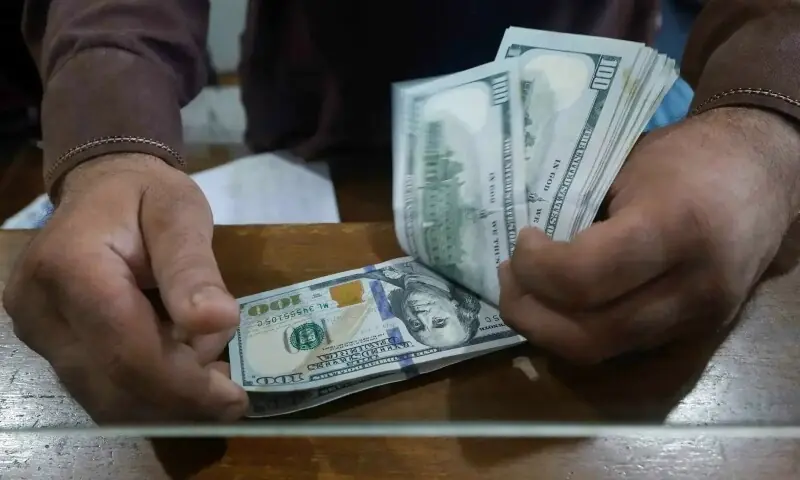
State Bank data shows Pakistan ended FY26 with a modest current account deficit and weaker foreign investment.
Current Account data released by the State Bank of Pakistan (SBP) showed that Pakistan ended fiscal year 2025-26 with a current account deficit of $139 million, reversing the $1.838 billion surplus recorded in FY25.
The annual deficit remained modest despite a sharp deterioration in June.
According to SBP data, the country posted a current account deficit of $649 million in June. A month earlier, Pakistan recorded a $500 million surplus. The current account had also posted a $220 million surplus in June 2025.
Remittances played a key role in limiting the annual deficit.
Overseas Pakistanis sent $41.585 billion during FY26. That was up from $38.3 billion in FY25.
However, exports remained weak throughout the year.
Goods exports fell to $30.843 billion from $32.434 billion a year earlier.
Meanwhile, services exports increased to $10.034 billion from $8.45 billion.
As a result, total exports of goods and services reached $40.877 billion. That was only $84 million higher than the previous fiscal year.
Imports remained elevated during FY26.
The country recorded a trade deficit of more than $35.5 billion as imports continued to outpace exports.
Furthermore, the current account remained under pressure for most of the fiscal year.
The first quarter posted a $737 million deficit. The second quarter recorded a $624 million deficit. The fourth quarter also ended with a $425 million deficit.
Only the third quarter reported a $1.647 billion surplus. That surplus helped keep the full-year deficit relatively small.
Analysts warned that the renewed Gulf conflict could create fresh challenges in FY27.
Higher oil prices may increase Pakistan’s import bill. The country imports about 70% of its fuel requirements.
Experts also warned that prolonged regional tensions could put additional pressure on foreign exchange reserves and economic growth.
FDI Drops 34%
Meanwhile, foreign direct investment (FDI) declined sharply during FY26.
SBP data showed FDI fell 34% to $1.637 billion. It had reached $2.477 billion in FY25.
The decline amounted to $840 million year-on-year.
China remained Pakistan’s largest foreign investor.
However, Chinese investment fell to $862 million from $1.205 billion in the previous fiscal year.
Investment from Middle Eastern countries also declined compared with FY25.
Economists said geopolitical uncertainty and the Gulf conflict could further discourage foreign investment during FY27.