Auto Industry Urges Strong Policy Support for Localization, Warns of Job Losses and Import Dependence
Web Desk May 13, 2026Karachi: The local automobile industry has called on the government to introduce strong policy measures aimed at strengthening domestic manufacturing, increasing localization, and protecting jobs in Pakistan’s automotive sector.
Karachi: The local automobile industry has called on the government to introduce strong policy measures aimed at strengthening domestic manufacturing, increasing localization, and protecting jobs in Pakistan’s automotive sector.
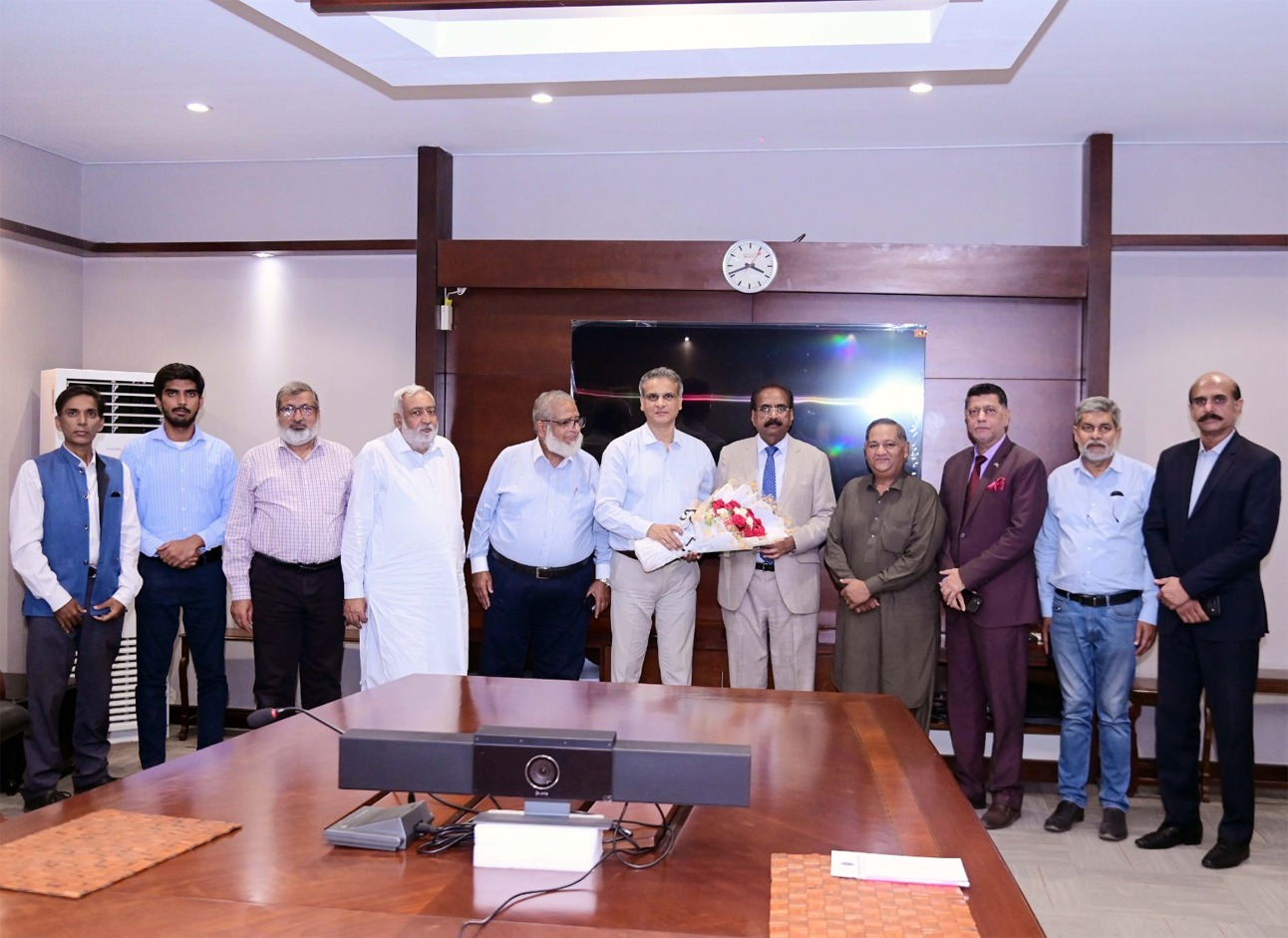
Chairman of the Automotive Standing Committee Ghazanfar Ali Khan raised these concerns during a meeting held at the Korangi Association of Trade and Industry (KATI), where industry stakeholders discussed challenges facing local auto manufacturers and vendors.
He emphasized that Pakistan should require Chinese original equipment manufacturers (OEMs) operating in the country to achieve at least 30 percent localization within three years, arguing that this would help develop the local parts manufacturing ecosystem and reduce dependence on imports.
Ghazanfar Ali Khan stressed the need for long-term policy stability, recommending that vehicle models should remain unchanged for at least five years to allow vendors and suppliers to invest confidently in parts manufacturing without the risk of sudden disruptions.
He also called for a ban on the import of used vehicles, stating that such imports undermine domestic production, discourage investment, and negatively impact employment in the local auto industry.
The chairman further suggested reforms in tariff structure, recommending the cancellation of HS codes for locally produced parts to ensure that once a component is manufactured in Pakistan, its import is restricted. He also criticized the current duty system based on weight (per kilogram), calling it outdated and urging a shift toward a value-based taxation model.
He raised concerns over proposals to allow electric vehicle imports at a significantly reduced duty of 1 percent while local manufacturers face much higher tax burdens, questioning the potential impact on revenue and domestic competitiveness.
Ghazanfar Ali Khan warned that continued decline in vehicle sales could severely damage the industry, leading to factory closures and job losses across the automotive supply chain.
He urged authorities to delay approvals for new OEM entrants until existing manufacturers achieve maximum localization, allowing the domestic industry to strengthen its production base.
He concluded that a strong and self-reliant automotive sector is essential for Pakistan’s economic growth, technology transfer, and employment generation.